
Let’s talk about flooring. In this article, we’ll cover a common misconception about these materials, break down the different types of resinous flooring, and help you decide which is right for your space.
Misconception: Polyurethane vs Epoxy
This question itself holds a misconception because both epoxy and polyurethane are excellent, durable resinous flooring materials. In the coatings industry, we recognize that while they share similarities, they serve different primary purposes. Epoxy is a thermosetting polymer known for its hardness and compressive strength, while polyurethane is celebrated for its elasticity and flexibility. Pros in the flooring industry understand their distinct advantages. So we should rephrase the question: Polyurethane vs. Epoxy vs. Acrylic: which flooring material suits your needs?
Polyurethane Flooring
This is your flexible resin option, typically used in environments that face extreme wear. Polyurethane’s elasticity and durability are key features, and usually, this flexibility makes it better at handling heavy impacts and temperature fluctuations than rigid epoxy. We often highlight its superior scratch resistance for high-traffic zones, so suffice it to say that this material is built to last under pressure. It excels in areas like parking decks and sports facilities thanks to that “give,” but is also more expensive than acrylics, requiring a larger budget to install. Polyurethane flooring is a top choice for industrial spaces because it is A) highly impact-resistant, and B) incredibly tough against abrasion.
Epoxy Flooring
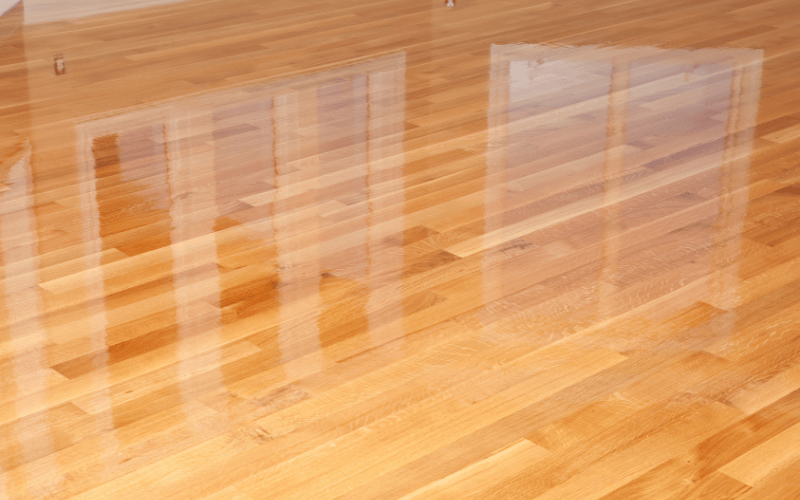
Epoxy flooring holds a considerable share of the industrial market, with several powerhouse applications in demanding environments. The complex, rigid nature of epoxy makes it very good for resisting chemicals and heavy loads. Warehouses, for instance, can utilize an epoxy floor without worrying about damage from forklift traffic or spills. Epoxy is also known for its seamless, high-gloss finish, making it ideal for spaces that require a clean, professional look, like commercial kitchens or laboratories. This visual difference is key when talking about polyurethane vs. epoxy—epoxy provides a hard, mirror-like surface, whereas polyurethane offers a more satin, elastic finish.
The potential downsides to epoxy are that it is less flexible and can be prone to cracking under sudden, heavy impacts. Areas with high vibration or frequent dropped tools, for instance, may find epoxy too brittle, though it excels under static, heavy loads. As a solution, epoxy systems are often installed over a properly prepared, stable concrete substrate to minimize the risk of cracking and ensure maximum longevity.
Acrylic Flooring
Last but not least, acrylic flooring is also a major player in the coatings market. Manufacturers typically position acrylic as a fast and decorative solution. Unlike epoxy, it cures quickly, is UV-resistant, and is available in a wide variety of colors and finishes. On the flip side, it offers less durability and chemical resistance than its resinous counterparts and is generally less robust. Epoxy and polyurethane can range significantly in cost, but acrylic systems are often more affordable and quicker to install, making them a popular choice for time-sensitive projects.
Takeaways
The three primary types of resinous flooring materials are polyurethane, epoxy, and acrylic. When asked to choose between them, we answer that polyurethane is best for flexible, high-traffic areas needing impact and abrasion resistance. Epoxy is gaining market ground for its heavy-duty strength and chemical resistance in industrial settings. Acrylic is a cost-effective segment ideal for decorative and outdoor use where UV stability and quick application are priorities. Ultimately, choosing the right material depends entirely on the specific requirements of your flooring project.