
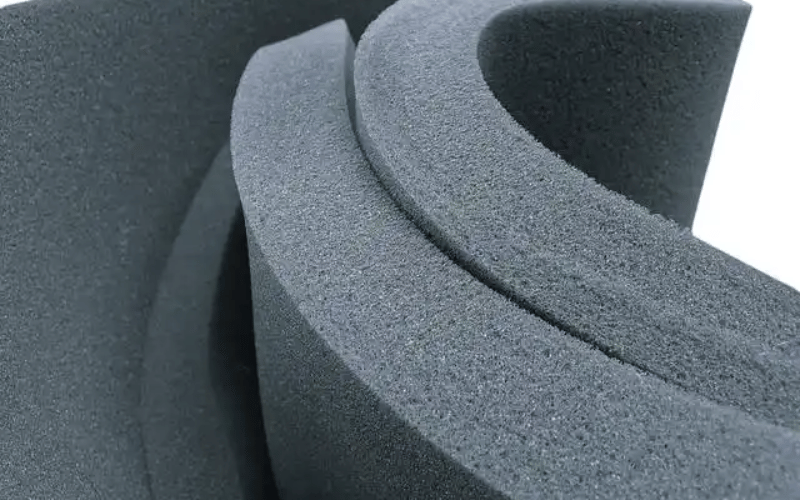
What is polyurethane foam? It is a versatile synthetic material that most people encounter daily without even realizing it. From the soft cushion of your mattress and the supportive padding in your office chair to the rigid insulation keeping your home warm, polyurethane (PU) foam is everywhere. However, its ubiquity generates significant waste, raising critical environmental questions for businesses and consumers alike.
Dealing with plastic waste is one of the most pressing challenges of our time, and PU foam is a major contributor to this stream. While it provides incredible comfort and energy efficiency during its lifespan, its end-of-life journey is often misunderstood. Can it be thrown in the recycling bin? Does it have to go to a landfill? Understanding the recyclability of polyurethane foam is crucial for reducing environmental impact and managing business waste responsibly.
What is Polyurethane Foam?
Polyurethane foam is a polymer composed of organic units joined by carbamate (urethane) links. It is created through a chemical reaction between a diisocyanate and a polyol, usually in the presence of a blowing agent, which makes the cellular structure that defines “foam.” Unlike some other plastics that melt when heated (thermoplastics), most polyurethane foams are thermosetting polymers. This means they do not melt when heated; instead, they maintain their structural integrity until they degrade. This chemical structure gives the material its durability but also makes the recycling process more complex than simply melting down plastic bottles.
The versatility of polyurethane foam allows it to be manufactured in various forms, primarily categorized as flexible or rigid. Flexible PU foam is the material of choice for comfort applications, widely used in furniture, bedding, automotive seating, and carpet underlay. Rigid PU foam, on the other hand, is one of the world’s most effective insulation materials, found in the walls of refrigerators, freezer trucks, and building construction. Because it can be tailored to be soft or hard, lightweight or dense, it serves a massive range of industries, including packaging, footwear, and automotive manufacturing.
Are Polyurethane Foam and Memory Foam the Same Thing?
Memory foam is actually a specific type of polyurethane foam. NASA originally developed it in the 1960s to improve the safety of aircraft cushions. While all memory foam is polyurethane, not all polyurethane is memory foam. The key difference lies in the additional chemicals added to memory foam, which increase its viscosity and density.
These additives give memory foam its unique visco-elastic properties, allowing it to slowly recover its shape after compression and contour closely to the body in response to heat and pressure. Standard polyurethane foam (often called “high resilience” or “conventional” foam) springs back to its original shape much faster. While standard PU is used for general padding and support, memory foam is marketed explicitly for high-end mattresses and pillows for pressure relief.
Can Polyurethane Foam Be Recycled?
Yes, polyurethane foam can be recycled, but it is not as straightforward as recycling paper or glass. The process requires specific technologies and facilities that are not available in every municipality. While millions of tonnes of PU foam are produced annually, a significant portion still ends up in landfills because standard recycling streams cannot process it. The primary method for recycling flexible foam involves shredding it into small flakes, which are then bonded together to create “rebond” foam—the multicolored material often seen in carpet underlay.
However, the recycling process faces several hurdles. One major challenge is contamination; foam used in furniture or mattresses often comes mixed with fabrics, wood, or metal springs, which must be painstakingly separated before the foam can be processed. Additionally, the foam’s lightweight yet bulky nature makes it expensive to transport to recycling centers. Because it takes up so much space relative to its weight, logistics can be a barrier to efficient recycling programs.
For businesses, recycling polyurethane foam is a viable and responsible option, provided they partner with the right waste management services. Companies that generate large volumes of clean foam scrap—such as furniture manufacturers or upholstery shops—are in the best position to recycle it. By segregating foam waste at the source and keeping it free from contaminants, businesses can ensure that their material enters the circular economy rather than the landfill, often reducing their waste disposal costs in the process.
Is Polyurethane Foam Recyclable in the UK?
In the UK, the infrastructure for recycling polyurethane foam is well-established, particularly for specific foam types. The most commonly recycled form is flexible PU foam derived from old mattresses and furniture. The UK has legislation and industry initiatives aiming to divert these bulky items from landfills. However, you need to verify the type of foam you possess. Rigid PU insulation foam is harder to recycle due to potential chemical contaminants like flame retardants, though technologies are advancing.
The process typically involves mechanical recycling. Collected foam is sanitized, shredded, and treated with a bonding agent to produce new products. The most successful example of this in the UK is the carpet underlay industry, which relies heavily on recycled PU foam. While household curbside collections rarely accept loose foam, many Household Waste Recycling Centres (HWRCs) have designated areas for bulky waste, such as mattresses. For industrial quantities, specialized commercial recycling is the standard route, ensuring that the material is reprocessed domestically rather than exported.
How to Dispose of Polyurethane Foam
Disposing of polyurethane foam correctly can be confusing because it doesn’t belong in a standard mixed recycling bin. For households, small amounts of foam usually end up in the general waste bin, which unfortunately leads to landfill or incineration. However, for larger items like mattresses or sofa cushions, you should take them to your local tip or arrange a bulky waste collection with your council. Never try to burn foam at home, as it releases toxic fumes.
For businesses, disposal options are more regulated and varied. You cannot simply throw industrial quantities of foam into a commercial general waste bin without incurring high costs and environmental penalties. The best approach is to segregate foam waste from other materials. Clean, dry foam scrap has value and can sometimes be sold or taken away for free by recyclers. Contaminated foam, however, must be treated as general commercial waste or, in some cases, hazardous waste depending on the chemical additives involved.
Responsible disposal is critical for your business’s environmental footprint. Sending foam to a landfill consumes massive amounts of space due to its low density and high volume. By arranging for proper disposal or recycling, you contribute to a circular economy. If your business generates PU foam waste regularly, contact a waste management provider like Business Waste to assess if your volume qualifies for a dedicated recycling collection, which is the most sustainable disposal method available.
What Bin Does Polyurethane Foam Go In?
At home, polyurethane foam generally goes into your general waste bin (usually the black or grey bin). It should typically not be placed in your dry mixed recycling bin alongside plastic bottles and cardboard, as it can jam sorting machinery and contaminate other recyclables. Always check with your local authority, but in most UK councils, curbside recycling of loose foam is not available.
For businesses, the rules are different. If you are arranging recycling collection, you should use dedicated foam waste sacks or large containers for foam. If you are not recycling it, it must go into your general commercial waste bin. However, keeping it separate is highly recommended to minimize volume and potential disposal costs.
What Can You Do With Old Polyurethane Foam?
If you cannot access a recycling facility, reusing polyurethane foam is an excellent way to extend its life and keep it out of the landfill. Repurposing foam requires no energy-intensive processing and can solve simple household or business problems.
Here are four creative ways to reuse old polyurethane foam:
- Draft Excluders: Cut old foam into long strips and stuff them into fabric tubes to create draft excluders for doors and windows. This helps insulate your home and reduces energy bills during the winter months.
- Cushion Restuffing: Sagging sofa cushions or flat pillows can be revived by adding layers of old, clean foam. You can shred the foam into smaller chunks to create a fluffy filling for bean bags or pet beds.
- Fragile Item Protection: Keep foam blocks on hand for packing away holiday decorations or shipping fragile gifts. You can cut the foam to the exact shape of the item, providing custom shock absorption that is better than bubble wrap.
- Gardening Hack: Place chunks of foam at the bottom of large plant pots instead of heavy stones or gravel. This improves drainage and airflow for the roots while keeping the pot lightweight and easier to move around the garden.
Why is Polyurethane Foam Good for Packaging?
Polyurethane foam is a superior choice for packaging because of its exceptional strength-to-weight ratio. It is incredibly lightweight, composed primarily of air, which means it adds virtually no weight to shipping costs. Despite its lightness, it offers excellent shock absorption and vibration dampening. This protection is vital for transporting sensitive electronics, glass, and industrial components that could easily break during transit.
Furthermore, PU foam is highly cost-effective for businesses. It can be molded into any shape, reducing the need for excessive packaging material. Its ability to recover its shape after repeated impacts means it provides multi-drop protection. Unlike rigid polystyrene, which might crack, flexible PU foam absorbs energy and springs back, ensuring the product remains secure throughout the entire supply chain.
What Can I Do With Polyurethane Foam Packaging?
The best thing to do with polyurethane foam packaging is to save it for your own shipping needs. If you run a small business or sell items online, reusing clean foam packaging saves you money on buying new materials. It is durable enough to be reused many times without losing its protective qualities.
If reuse isn’t possible, check if the foam is labeled for recycling. Some specific packaging foams are recyclable at specialized drop-off points. If you must dispose of it, try to compact it as much as possible to save space in your bin. However, minimizing consumption by choosing products with sustainable packaging alternatives is always the most eco-friendly step.
Polyurethane Foam Waste Collection
Arranging a professional waste collection is the most efficient way for businesses to manage polyurethane foam waste. At Business Waste, we can assess your specific needs based on the volume and type of foam you produce. Whether you are a manufacturer with bales of scrap foam or a retailer disposing of packaging, we can tailor a solution that ensures legal compliance and environmental responsibility.
We provide the appropriate bins or balers to help you store your waste efficiently on-site. By compacting foam waste, you can significantly reduce the frequency of collections needed, saving your business money on transport costs. Our network of licensed waste carriers ensures your waste is transported to facilities for proper sorting and processing.
Don’t let bulky foam waste clutter your workspace or unnecessarily fill your general waste bins. Contact us to set up a regular collection schedule—whether weekly, fortnightly, or ad hoc clearance. We prioritize diverting waste from landfill whenever possible, helping your business meet its sustainability goals while handling the logistics of waste management for you.
Polyurethane Foam Disposal FAQs
How do you get rid of polyurethane foam?
For households, small amounts go in general waste, while large items like mattresses should go to a Household Waste Recycling Centre (HWRC). Businesses must arrange for commercial waste collection. You should separate foam from other waste streams to facilitate recycling and potentially lower your disposal costs through a licensed waste carrier.
Is polyurethane foam biodegradable?
No, standard polyurethane foam is not biodegradable. Like most synthetic plastics, it is resistant to biological degradation. If left in the environment or a landfill, it will persist for centuries without breaking down into organic matter. This persistence makes proper recycling and disposal methods essential to prevent long-term environmental pollution.
How long does it take for polyurethane foam to decompose?
Estimates suggest that polyurethane foam can take anywhere from 500 to 1,000 years to decompose in a landfill environment. Because it is a thermoset plastic resistant to heat and moisture, it remains intact for an incredibly long time. This longevity is excellent for products in use, but terrible for waste in landfills.
What are the disadvantages of polyurethane foam?
The main disadvantage is its environmental impact at the end of life. It is challenging to recycle compared to other materials, relies on petrochemicals for production, and takes up massive amounts of landfill space due to its low density. Additionally, if burned improperly, it can release toxic chemicals like isocyanates and hydrogen cyanide into the air.
Is polyurethane foam toxic to humans?
Cured polyurethane foam is generally considered safe and non-toxic for everyday use in furniture and bedding. However, during the manufacturing process, the raw chemicals can be hazardous. Also, there are concerns regarding the “off-gassing” of volatile organic compounds (VOCs) in new foam products, which can irritate sensitive individuals.
Can polyurethane foam be recycled?
Yes, it is recyclable, primarily through mechanical shredding to make carpet underlay (rebond). Chemical recycling technologies are also emerging, which break the foam back down into its raw chemical components to create new foam, though this is less common than mechanical recycling.