
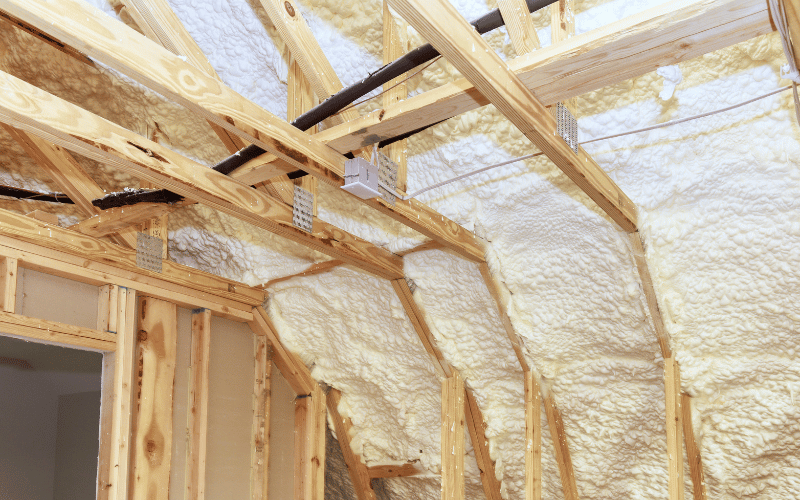
Polyurethane is a highly versatile polymer that can be formed into various forms for use in countless applications. Described as one of the most adaptable materials available, polyurethane is primarily used as high-performance insulation, durable coatings, strong adhesives, and robust sealants within the construction sector.
Polyurethane: The Next Generation Material in Construction
Polyurethane has established itself as a revolutionary material in modern building practices. As an insulation material, it is processed into rigid foam panels, spray foam, and roof boards on a large scale, enabling buildings to become highly energy-efficient and comfortable living areas.
Then, as a new-generation material for coatings and adhesives, polyurethane gave rise to durable, long-lasting finishes and structural bonds. Polyurethane coatings for floors, walls, and roofs are much more durable, both chemically and mechanically, than traditional alternatives and provide an effective aesthetic finish. Polyurethane-based composites and elastomers are becoming more widely used in both the interior and exterior of buildings, from decorative moldings to structural reinforcement.
In other words, the family of materials known as polyurethanes encompasses a wide range of plastics with different properties. These materials are commonly referred to by their applications, such as “spray foam insulation” or “PU flooring,” which means the distinction between the base polymer and the final product has blurred. However, it should be noted that they all share the same basic chemistry. Polyurethanes have become an integral part of our lives, produced by combining polyols and isocyanates using various process technologies. They are used extensively in the construction sector for insulation, waterproofing, and protective coatings.
History of Polyurethane
While polyurethane seems like a modern marvel in the construction sector, its history dates back many years. The core chemistry was discovered by Otto Bayer and his colleagues in Germany in the 1930s. Initial applications were driven by wartime needs, in which versatile polyurethanes were used as substitutes for rubber.
The industrial production of polyurethane expanded rapidly after World War II. It was quickly adopted for use in insulation and cushioning. The development of flexible foam had a great influence on the furniture and automotive industries, while rigid foam began to find its place in construction. This method enabled mass production, making polyurethane foam a staple material across more sectors.
Uses and Advantages of Polyurethane in Construction
The main material family of polyurethane is preferred in construction due to the strength, versatility, and efficiency advantages it offers from the outset. PU foam is a highly effective insulating material due to its exceptional thermal resistance. The air-sealing and waterproofing properties of spray polyurethane foam are effectively used in wall cavities and roof assemblies. Again, the benefits of this feature are utilized in foundations and areas where moisture control is critical.
Polyurethane is also used in high-performance coatings for floors, roofs, and walls. In this way, these coatings have been effective in enhancing the durability and aesthetics of buildings. In addition to the buildings’ general architecture, polyurethane adhesives and sealants are used effectively for bonding and sealing joints. The ideal use of these materials ensures that a structure is airtight and watertight.
Due to the polymer’s aesthetic adaptability and durable structure, it has become a preferred material for architectural moldings and decorative elements. Polyurethane materials are durable and flexible, and they are used to protect surfaces like concrete, steel, and wood from abrasion and environmental exposure.
Thanks to these properties, they provide effective protection of the structure against heat transfer, moisture, corrosion, and impacts. All these positive features have been achieved thanks to the resilience of polyurethane chemistry. The fire resistance of certain polyurethane systems is also highly effective in building safer structures. Polyurethanes are highly effective in preparing all buildings for use as healthy, safe living spaces. In addition, advancements have led to polyurethane coatings with antimicrobial properties, creating hygienic surfaces for hospitals and schools.
The use of polyurethane, with well-established application techniques, facilitates its widespread adoption. Of course, as with every industrial product, it is important to produce and apply it using the right techniques to take full advantage of it and realize its great advantages.