Polyurethane is an incredibly versatile and specialized polymer used across countless global industries. It comprises a unique chemical structure that allows manufacturers to adapt it for thousands of different everyday products. From the comfortable cushions on your living room sofa to the durable insulation inside your home’s walls, this dynamic material offers an unmatched combination of strength, flexibility, and longevity. Its adaptability makes it a foundational component in modern manufacturing and design.
Primarily used in both industrial and consumer goods, polyurethane comes in numerous types categorized by their use, physical properties, chemical composition, functional additives, and user conditions. This incredible diversity contributes to a massive range of material effects and performance capabilities. This comprehensive article provides a detailed overview of the different types of polyurethane materials, enhancing your understanding of this essential polymer and its unique properties.
Classified According to Usage
Polyurethane can be classified into foams, elastomers, coatings, adhesives, and more, with each category serving distinct industrial purposes.
Foams (Flexible and Rigid)
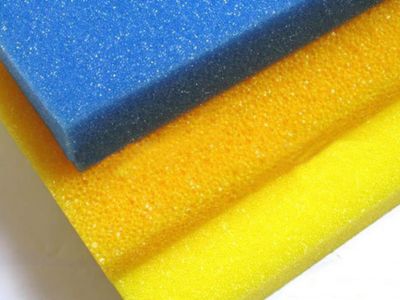
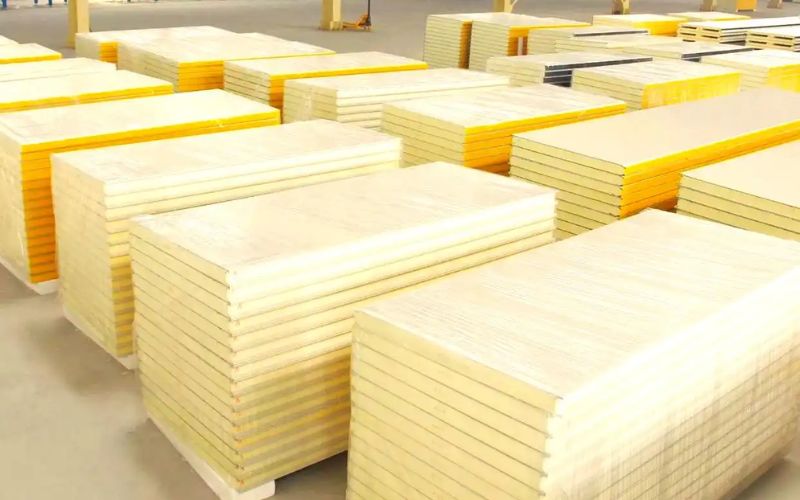
Polyurethane foams are among the most common and widely recognized applications of this versatile material. Manufacturers divide these foams into two primary categories: flexible and rigid. Flexible polyurethane foam is specifically formulated to provide exceptional comfort, cushioning, and support. You will frequently find this soft, resilient material used extensively in household furniture, premium mattresses, and automotive seating. It allows precise control over density and firmness during the manufacturing process, ensuring a comfortable end product. Conversely, rigid polyurethane foam is engineered for high structural integrity and outstanding thermal resistance. This hard, highly effective material is the global standard for building insulation and commercial refrigeration. It significantly reduces energy costs by keeping structures well-insulated while adding vital structural support to walls and roofing systems.
Elastomers
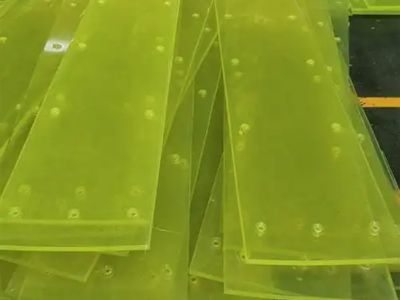
Polyurethane elastomers are incredibly durable and highly flexible materials engineered to withstand extreme physical wear and tear. These robust polymers bridge the gap between rubber and plastic, offering the elasticity of rubber alongside the toughness of rigid plastics. Manufacturers rely heavily on polyurethane elastomers to produce high-stress industrial components, such as heavy-duty wheels, hydraulic seals, and protective gaskets. Their outstanding resistance to abrasion, tearing, and heavy impact ensures that mechanical parts maintain their structural integrity even in the most demanding environments, reducing equipment downtime and extending operational lifespans.
Coatings
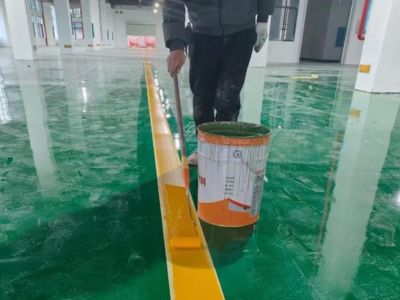
Polyurethane coatings serve as highly effective protective and decorative layers applied to a wide variety of surfaces, including natural wood, heavy metals, and poured concrete. These advanced coatings create a tough, impermeable barrier that protects vulnerable substrates from harsh weather conditions, chemical spills, and daily physical abrasion. Furthermore, they significantly enhance the visual appearance of the treated surface, providing a smooth, glossy, or matte finish that resists fading and scratching over time. From automotive clear coats to durable hardwood floor finishes, polyurethane coatings offer long-lasting aesthetic and physical protection.
Adhesives and Sealants
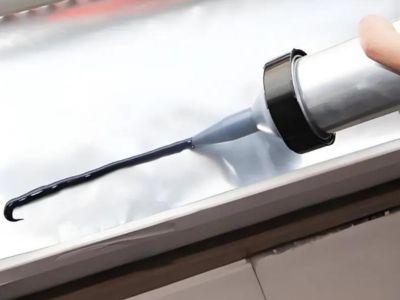
Polyurethane adhesives and sealants are high-performance bonding agents widely used in construction and industrial manufacturing. These powerful materials provide an exceptionally strong, flexible, and permanent bond between diverse substrates like wood, metal, glass, and concrete. Unlike traditional glues, polyurethane adhesives cure rapidly and maintain their grip even when exposed to extreme moisture, severe temperature fluctuations, or continuous physical vibrations. Their reliable sealing capabilities also prevent water and air leaks in building foundations, automotive windshields, and heavy machinery, ensuring long-term structural safety and environmental isolation.
Other Applications
Beyond these primary categories, polyurethane materials also find vital use in specialized niche applications. They play a crucial role in manufacturing life-saving medical devices, such as artificial heart valves and flexible tubing. Additionally, the textile industry uses polyurethane to produce stretchy, breathable synthetic fibers such as spandex.
Classification According to Different Properties
Based on their physical and chemical characteristics, polyurethane materials can be divided into flexible, rigid, thermoplastic, and high-performance varieties.
Flexible Polyurethane
Flexible polyurethane is characterized by its exceptionally soft, elastic, and highly compressible nature. Manufacturers process this material to feature an open-cell structure, which allows air to flow through the polymer matrix easily. This unique property makes it the ultimate choice for cushioning applications that demand long-term comfort and rapid shape recovery. You interact with flexible polyurethane daily, as it forms the supportive core of your pillows, carpet underlays, and ergonomic office chairs. Its lightweight profile, combined with superior shock absorption capabilities, guarantees maximum comfort and extended durability for consumer goods.
Rigid Polyurethane
Unlike its flexible counterpart, rigid polyurethane features a tightly closed-cell structure that makes it incredibly hard, stiff, and highly durable. This material is primarily designed to provide exceptional thermal insulation and robust structural support. It traps specialized insulating gases within its cells, creating a highly effective barrier against heat transfer. Consequently, the construction and appliance industries utilize rigid polyurethane extensively to insulate exterior walls, roofing panels, and energy-efficient refrigerators. Its impressive strength-to-weight ratio allows builders to enhance structural stability without adding unnecessary bulk or weight to their final designs.
Thermoplastic Polyurethane (TPU)
Thermoplastic Polyurethane, commonly known as TPU, is a highly elastic and melt-processable polymer that offers incredible resistance to oil, grease, and severe abrasion. Unlike traditional thermoset polyurethanes, TPU can be repeatedly heated, melted, and remolded without losing its inherent mechanical properties. This outstanding versatility makes TPU an essential material for producing durable footwear outsoles, tough smartphone cases, and heavy-duty industrial drive belts. Its smooth, rubber-like texture combined with plastic-like durability ensures that products manufactured with TPU can endure continuous flexing and harsh environmental exposure without cracking or degrading over time.
High-Performance Polyurethane
High-performance polyurethane is specifically engineered to survive and function flawlessly under the most extreme and unforgiving conditions. Manufacturers formulate these advanced materials with precise chemical structures to withstand extreme pressure loads, corrosive chemicals, and wide temperature swings. As a result, they are indispensable in the demanding aerospace, military, and heavy automotive industries. These highly specialized polyurethanes are frequently used to fabricate critical aircraft components, deep-sea oil pipeline insulation, and high-impact automotive suspension bushings. They offer uncompromising reliability and safety in environments where standard materials would quickly fail.
Classified According to Chemical Composition
Depending on their chemical backbone, polyurethanes can be categorized as polyether-, polyester-, or hybrid formulations.
Polyether-Based Polyurethane
Polyether-based polyurethane is widely recognized for its outstanding hydrolytic stability, meaning it performs exceptionally well in wet, humid, or water-submerged environments without degrading. This specific chemical composition also grants the material excellent low-temperature flexibility, ensuring it remains pliable and crack-resistant even in freezing conditions. Additionally, polyether-based formulations naturally resist the growth of harmful fungi and microbes. Because of these unique, water-resistant properties, manufacturers frequently utilize polyether-based polyurethane in critical medical applications, such as flexible catheters and fluid-handling tubing. Furthermore, it is the preferred material for industrial applications requiring continuous exposure to moisture, such as marine equipment, underwater cables, and specialized pneumatic seals. Its reliable performance in damp conditions makes it a highly sought-after polymer.
Polyester-Based Polyurethane
Polyester-based polyurethane stands out for its vastly superior mechanical properties and outstanding resistance to harsh chemicals, oils, and industrial solvents. Compared to polyether formulations, polyester-based materials exhibit significantly higher tensile strength, cut resistance, and overall abrasion tolerance. This tough chemical makeup makes it the ideal candidate for environments involving heavy physical wear and constant exposure to petroleum-based fluids. Consequently, manufacturers heavily depend on polyester-based polyurethane to formulate highly durable protective coatings, aggressive industrial adhesives, and heavy-duty mechanical components, such as forklift tires and hydraulic hoses. While it is more susceptible to moisture degradation than polyether varieties, its unmatched toughness and chemical resilience make it completely indispensable for rugged industrial manufacturing and heavy machinery applications.
Hybrid Polyurethane
Hybrid polyurethane represents an advanced chemical formulation that intelligently combines the best properties of both polyether and polyester materials. By carefully blending these two foundations, manufacturers can create specialized polymers that offer both the excellent water resistance of polyether and the robust mechanical strength of polyester. These customized hybrids are highly valued for highly specialized applications that require a delicate balance of flexibility, moisture repulsion, and chemical toughness. They are frequently deployed in complex automotive manufacturing, specialized construction sealants, and custom industrial parts where single-base polyurethanes fall short.
Classification According to Functional Additives
Depending on their intended function, polyurethane materials can be enhanced with specific additives to create flame-retardant, UV-stabilized, and anti-static variants.
Flame Retardant Polyurethane
Flame-retardant polyurethane incorporates specialized chemical additives that significantly slow or completely stop the spread of fire. By embedding these flame-resistant agents directly into the polymer matrix during production, manufacturers ensure the material meets strict global safety and fire codes. This highly protective material is absolutely critical in applications requiring elevated fire resistance, such as commercial building insulation, aircraft seating, and electronics housing. It effectively minimizes the risk of combustion and reduces the release of toxic smoke, providing vital protection for both property and human life in emergency situations.
UV Stabilized Polyurethane
UV stabilized polyurethane serves a crucial function in protecting polymer materials from the highly detrimental effects of continuous ultraviolet radiation. By integrating powerful UV-resistant additives, this specific type of polyurethane actively prevents the color fading, surface cracking, and structural degradation typically caused by prolonged exposure to direct sunlight. This makes it an exceptionally valuable material for outdoor applications, including exterior architectural panels, playground equipment, and marine coatings. It ensures that products exposed to the elements maintain their vibrant appearance and physical strength over many years of continuous outdoor use.
Anti-Static Polyurethane
Anti-static polyurethane is carefully formulated to prevent the dangerous buildup of static electricity on the surfaces of plastic products. By incorporating specialized conductive additives, this polyurethane actively dissipates electrical charges before they can spark or damage sensitive equipment. Manufacturers use this protective material extensively in environments where static discharge poses a severe risk, such as cleanrooms, explosive-chemical handling facilities, and electronic component manufacturing lines. It effectively mitigates issues like dust attraction and protects delicate microchips from catastrophic static shocks during transport and final assembly.
Classification Based on User Usage
According to end-user applications, polyurethane materials can be broadly divided into general-purpose and specialized polyurethanes.
General-Purpose Polyurethane
General-purpose polyurethane is designed to be highly versatile, incredibly cost-effective, and easily adaptable to a wide range of standard commercial uses. This widespread material plays a fundamental role in basic plastic processing and everyday manufacturing by providing reliable performance without the need for expensive, complex chemical modifications. Its adaptability makes it the preferred option for a broad spectrum of everyday applications where fundamental cushioning, basic insulation, or simple protection is the primary necessity. Manufacturers commonly deploy general-purpose polyurethane in the mass production of consumer furniture, standard packaging materials, affordable footwear, and basic domestic appliances. While it may lack the extreme durability required for harsh industrial environments, its affordability and straightforward processing make it an absolute staple in the global consumer goods market.
Specialized Polyurethane
Specialized polyurethane is meticulously tailored and chemically engineered to meet the exact, demanding specifications of highly advanced industries. Unlike general-purpose varieties, these custom-formulated polymers incorporate unique carriers, precise additive ratios, and complex manufacturing techniques to achieve exceptional performance metrics. Specialized polyurethane offers notable advantages, including extreme temperature tolerance, precise biocompatibility, and unmatched structural integrity. Manufacturers rely on these advanced formulations for critical applications within the automotive, aerospace, and medical sectors. For instance, medical-grade specialized polyurethane is used in implantable devices, while aerospace-grade polyurethane provides lightweight structural support for aircraft interiors. While these materials are more expensive and require intricate processing, their ability to perform flawlessly in extreme, high-stakes environments makes them essential for driving technological innovation.
Conclusion: Choosing the Right Polyurethane Material
In summary, polyurethane is an incredibly versatile and fundamental material that powers countless modern industries. Whether you require flexible foams for comfortable seating, rigid insulation for energy-efficient construction, or high-performance elastomers for heavy machinery, understanding the specific types and properties of polyurethane ensures you select the perfect material.
To achieve the best results in your manufacturing process, it is vital to partner with experts who understand polymer science. We encourage you to explore Henghui’s advanced polyurethane solutions today. Contact Henghui to discover exactly how our tailored polyurethane materials can enhance your specific production requirements and drive innovation in your business.