
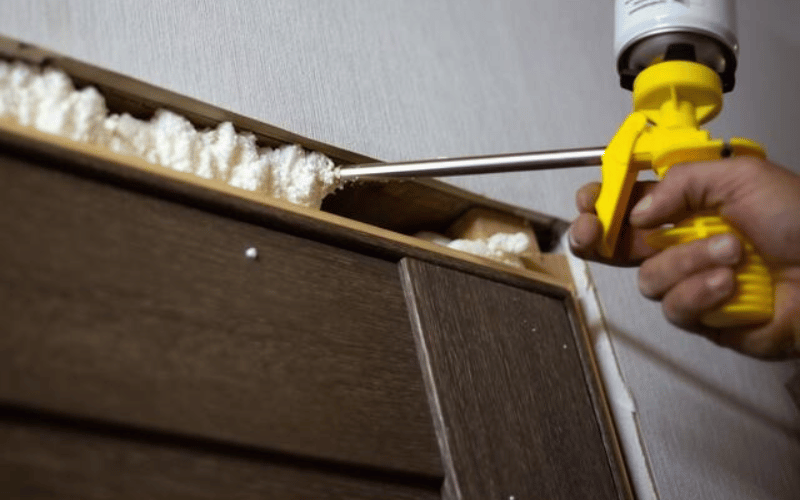
Polyurethane (PU) foam is a versatile and adaptable material widely used across the furniture, automotive, and construction industries. Its exceptional properties, including flexibility, lightweight durability, and superior insulation, make it an ideal choice for a multitude of applications.
From enhancing comfort in bedding and seating to providing thermal and acoustic insulation in buildings, PU foam offers a broad spectrum of benefits. Its ability to be formulated into rigid or flexible forms enables incredible design freedom and functional performance.
In this guide, we will explore the different types, uses, and advantages of PU foam. We will provide the essential information you need to use this material effectively in your specific projects.
What is PU Foam?
Polyurethane (PU) foam is a polymer material used across numerous industries and applications.
It can be used for both domestic and commercial purposes and is available in different densities and firmness levels. It is created by reacting polyols and diisocyanates, with other additives influencing the final characteristics.
The positive qualities of PU foam include excellent thermal insulation, flexibility, and durability. Many industries, from furniture and bedding to automotive and construction, use PU foam. Additional uses include manufacturing sponges, packaging materials, and soundproofing components.
How to Use PU Foam Safely
There are several safety precautions to consider when using PU foam.
Firstly, you should wear gloves to protect your hands from the chemical compounds in the foam. Nitrile gloves are recommended as they provide a reliable barrier. Uncured foam that comes into contact with the skin can be challenging to remove and may irritate. Use a cloth with acetone or a specialized foam cleaner immediately, then wash the area thoroughly with soap and water.
A disposable apron or coveralls should be worn, as foam spills can permanently stain clothing. You should also wear safety goggles to protect your eyes from accidental sprays. If contact with the eyes occurs, you should flush them with water for at least 15 minutes while keeping the eyelids open. Seek immediate medical attention.
Lastly, it is imperative to ensure sufficient ventilation when working with PU foam, as it releases vapors during application and curing. This can be achieved by opening windows and doors to create cross-ventilation in your work area. If adequate ventilation cannot be achieved, a respirator with appropriate cartridges for organic vapors should be worn.
What are the Different Types of PU Foam?
Polyurethane foam is broadly classified into two primary categories: flexible and rigid. Flexible foams include subtypes such as conventional, high-resilience (HR), and viscoelastic (memory foam). Rigid foams are categorized based on density and application, such as insulation panels and spray foam. Flexible foams are the most common type used across various industries.
Flexible Foams
Flexible polyurethane foam is an open-cell material known for its cushioning properties and comfort. It is produced by reacting polyols with isocyanates like TDI or MDI. The specific formulation determines its softness, durability, and density, making it a staple in the furniture and bedding industries for mattresses and upholstery.
Rigid Foams
This type of foam has a closed-cell structure, making it an excellent thermal and acoustic insulator. It is produced by reacting a polyol with a polymeric isocyanate (pMDI). Rigid PU foam is lightweight yet strong, with low moisture permeability. It is widely used in construction for wall and roof insulation, in refrigerators and freezers, and for creating structural insulated panels (SIPs).
Spray Polyurethane Foam (SPF)
Spray foam is a unique type of PU foam that is applied as a liquid and then expands to create a seamless insulating and air-sealing barrier. It is made by mixing two separate liquid components on-site, which react upon application. Because it adheres to most surfaces and can fill irregular shapes, it is highly effective for sealing gaps and cracks. It is a popular choice for energy efficiency in both new construction and retrofitting projects.
High-Resilience (HR) Foam
These flexible foams are a higher-quality grade known for their enhanced durability and support. They are produced using a different blend of polyols that results in a less uniform cell structure, providing better resilience and bounce. HR foam is a preferred option for high-traffic seating, premium mattresses, and heavy-duty applications where long-term performance is critical.
Viscoelastic (Memory) Foam
The addition of certain chemicals to the polyurethane mix creates viscoelastic foam. The materials produced from this process react to body heat and pressure, allowing the foam to contour to a shape and slowly return to its original form once pressure is removed. This quality provides excellent support and pressure relief, making it ideal for high-end mattresses, pillows, and medical cushioning.
Reticulated Foam
These open-structure foams are created by removing the cell walls or “windows” from standard flexible foam through a secondary process. The resulting material is a three-dimensional network of strands, which allows for high airflow and fluid filtration. Industrial uses include air and water filters, speaker grilles, and fuel tank baffles, due to its high porosity and low flow resistance.
Curing Time and Process for PU Foam
Uncured polyurethane foam lacks its final structural integrity and adhesive strength. Fortunately, these properties are developed through curing, a chemical reaction process that solidifies the foam into its final, stable form. There is some variation in curing times across different PU foam products, such as spray foams and sealants. It’s generally recommended to allow the foam to cure fully, especially if it will be trimmed, painted, or exposed to stress. You should allow up to 24 hours for the foam to harden and form a strong bond. A complete cure should always be allowed for jobs requiring structural support or sealing.
The curing of PU foam primarily involves a reaction with moisture in the air (for one-component foams) or with a chemical hardener (for two-component systems). The core reaction is between an isocyanate and a polyol, but moisture acts as a catalyst, helping the foam expand and harden. Environmental factors like ambient temperature and humidity influence the rate of this reaction. To increase the speed of the curing reaction, you can lightly mist the substrate or the applied foam layers with water, but follow product-specific instructions.
How to Apply PU Foam
Proper PU foam preparation is crucial for an effective seal and expansion. Here is a general step-by-step guide on how to apply PU foam:
- Read the instructions: Carefully read and understand the manufacturer’s instructions for the specific PU foam canister you are using. Different products may have particular application temperatures or curing times.
- Prepare the workspace: Ensure you are working in a well-ventilated area and wearing appropriate safety gear, including gloves and goggles—cover surrounding surfaces with a drop cloth or plastic sheeting to protect against overspray and drips.
- Prepare the surface: Clean the application area of any dust, grease, or loose debris. For many one-component foams, lightly misting the surface with water can help the foam cure more effectively. Ensure the canister is at the recommended temperature, usually room temperature.
- Apply the foam: Shake the canister vigorously for about 30-60 seconds as directed. Attach the applicator straw or gun. Hold the can upside down and apply the foam by pressing the trigger or nozzle. Fill gaps to about 50% capacity, as the foam will expand significantly as it cures.
- Allow the foam to cure: PU foam has a limited working time before it becomes tack-free, which varies by product. Once applied, let the foam expand and cure fully without disturbing it. Curing can take anywhere from 1 to 24 hours, depending on the foam and conditions.
PU Foam Sealant
PU foam sealant may refer to any one-component foam-in-a-can used to seal gaps and cracks. Such compositions can vary, offering different expansion rates and flexibility. They are strong gap-fillers that insulate, bond, and create an air-tight seal on a variety of materials. PU foam sealant assures excellent insulation and draft-stopping.
What is PU Foam Used For?
There is a wide variety of uses for polyurethane (PU) foam, including cushioning, insulation, and forming lightweight composite structures. It is possible to alter the properties of PU foam, such as creating high-resilience foams for durability or viscoelastic foams for comfort.
PU Foam for Comfort
PU foams fall under the category of comfort materials, with varieties including conventional flexible, high-resilience (HR), and viscoelastic (memory) foam. These foams may be used to create furniture cushions, mattresses, and pillows. They also allow for comfortable support in office chairs, car seats, and other seating applications. However, the performance can vary based on the foam’s density and firmness.
PU Foam for Automotive Parts
PU foam can be used for the binding and production of various automotive components such as seating, headrests, armrests, and interior trim. Molded foam is the ideal replacement for traditional stuffing materials. It enables greater design efficiency and reduced costs and lead times across a range of manufacturing processes.
PU Foam for Electrical Applications
Electronics manufacturers commonly use PU foam for potting and encapsulating sensitive components. The foams have high shock absorption and provide component protection from vibration, moisture, and dust accumulation, helping prevent damage and short-circuiting.
PU Foam for Consumers
The high versatility means PU foam is a popular choice among consumers for DIY projects and home repairs. It allows for the relatively rapid and effective filling of gaps and cracks with spray foam sealants. It is also suitable for crafting, model making, and creating custom padding for cases or furniture.
PU Foam for Artwork and DIY
PU foam can be used for various artistic and creative applications. Sheets or blocks can be carved into sculptures or used as a base for scenery in dioramas. Other common uses include creating props for theater or cosplay and adding texture to mixed-media art projects.
PU Foam Uses in Construction
PU foam has numerous applications in the construction industry due to its excellent insulation properties, durability, and air-sealing capabilities. For instance, rigid foam panels are commonly used for wall, roof, and floor insulation to improve a building’s energy efficiency. Spray foam is also a popular choice for sealing gaps and providing continuous insulation. PU foam is also used in construction for adhesives, roofing systems, and providing structural integrity in insulated panels.
PU Foam Coatings and Painting
Polyurethane paint, often referred to as PU topcoat, is commonly used for furniture, automotive parts, and industrial surfaces. Straight PU paint will feature a mixture of polymers and one-part solvents. Coloured PU paint can be used to finish, which dries to a hard shell. This paint can be purchased in sheens like high-gloss and matte for a decorative finish.
The PU coating is made of a system featuring polyol resin and isocyanate hardener. The reaction of these components results in a strong film involving cross-linking during drying. PU coatings protect against abrasion, weathering, UV exposure, and chemical spills.
Benefits of PU Foam Coatings:
- Durability
- Aesthetic versatility
- Weather resistance
- Impact resistance
- Chemical resistance
- Flexibility and ease of application
How Does PU Foam Compare to Other Materials?
Memory Foam vs PU Foam
Memory foam is a type of polyurethane foam explicitly formulated for its viscoelastic properties. It has a high density and slow recovery time, allowing it to contour to the body in response to heat and pressure. Memory foam is often used for high-end mattresses, pillows, and medical cushions for pressure relief.
Latex Foam vs PU Foam
Latex foam is made from either natural or synthetic rubber. It is known for its durability, elasticity, and natural resistance to mold and dust mites. Latex foam is commonly used in premium mattresses and pillows. It offers more bounce and a quicker response time than PU foam, but it is generally heavier and more expensive.
Fiberglass vs PU Foam
Fiberglass is a reinforced plastic material composed of glass fibers embedded in a resin matrix. It is commonly used for insulation batts, boat hulls, and automotive parts. While fiberglass offers good thermal insulation and strength, rigid PU foam provides a higher R-value per inch and also acts as an air and moisture barrier, which fiberglass does not.
FAQs about PU Foam
How to Remove PU Foam?
PU foam is not the easiest substance to remove due to its strong adhesive properties. However, the process is far easier before the foam has fully cured. In this instance, you can use acetone or a specialized PU foam cleaner to remove it with a cloth.
The following methods may be used for PU foam removal:
- Sanding or scraping – Such methods may be sufficient if only a small amount of the foam has cured. Cured foam can be carefully cut and then scraped or sanded off a surface.
- Using acetone – Acetone can be used to remove uncured PU foam from wood or concrete surfaces. However, you should ensure an adequate level of ventilation and test it on a small, hidden area first, as it can damage some finishes.
- Using a specialized cleaner – Specific PU foam removal products are available. These are designed to dissolve cured foam for easier removal. You should wear thick work gloves, goggles, and a mask for personal safety.
- Mechanical removal – For stubborn, fully cured foam on robust surfaces, mechanical methods like grinding or wire brushing may be necessary. This should be done carefully to avoid damaging the underlying material.
Can You Paint Over PU Foam?
PU foam is available in a limited range of colors, typically off-white or yellow. However, you can paint over most cured PU foams. Each foam type has its own surface texture, which may affect the final appearance.
The process of painting PU foam should begin once the foam is fully cured and trimmed flush. The surface should be clean and free of dust. The next step is to apply a suitable primer, which helps paint adhere better and provides a more uniform finish. Water-based acrylic or latex paints are generally recommended. For best results, apply the paint in thin, even coats. Multiple layers may be needed to achieve an opaque finish.
How Durable is PU Foam?
You should be aware that PU foam types vary in durability. Key strength values include density, tensile strength, and compression strength. Flexible foams for furniture offer excellent resilience, with high-resilience (HR) foams typically lasting for many years under heavy use. Rigid PU foams used in construction are exceptionally durable and can last for the lifetime of the building without significant degradation.
Is There Anything PU Foam Won’t Stick To?
PU foam will not stick well to the following surfaces:
- Silicone
- Polyethylene plastics (like plastic drop cloths)
- Teflon (PTFE)
- Greasy or oily surfaces
- Waxy surfaces
How to Trim and Finish PU Foam?
Surfaces with excess expanded foam that look messy can be trimmed for a clean appearance. This will involve waiting for the foam to cure completely, then cutting off the excess with a serrated knife, handsaw, or sharp utility blade to achieve a flush surface. For a smoother finish, the trimmed surface can be lightly sanded.
The finishing process should continue with the application of a filler or spackle over the trimmed foam if a perfectly smooth surface is needed. Such a compound should be applied and then sanded once dry. You may then prime and paint the area to match the surrounding surface. The finished surface should blend in seamlessly.
Can You Use PU Foam for Insulation?
Absolutely! The choice of the best PU foam for insulation depends on your specific needs. You should begin the application by ensuring the surface is clean and dry. It might be necessary to lightly mist the surfaces with one-component spray foams. For spray foam, it is advisable to apply it gradually to control expansion. If any gaps are missed, they can be filled after the first layer has become tack-free. The final step will be to leave the foam undisturbed to cure fully before trimming.
What are the Advantages of PU Foam?
Here are some key PU foam advantages:
- Excellent insulation
- High versatility and flexibility
- Lightweight yet strong
- Air and moisture barrier
- Good acoustic properties
- Easy to use and apply
Is PU Foam Waterproof?
Yes, closed-cell rigid PU foam is generally waterproof once cured. When correctly applied, it forms a dense, rigid structure that is highly resistant to moisture and water penetration. It creates a protective barrier that prevents water from seeping through, which is why it’s used in roofing and as a sealant.
However, not all PU foam is waterproof. Open-cell flexible foam will absorb and hold water like a sponge. Even for closed-cell foam, its water resistance can be influenced by the quality of the application and specific environmental conditions. Prolonged exposure to UV light or physical damage can degrade the foam’s surface and compromise its waterproof properties over time.