
Polyurethane foam is a popular material used across various sectors, including construction, furniture, and automotive. It is a highly versatile substance that can be molded into many shapes and densities for multiple applications. But have you ever stopped to think about how this standard material is created? Here, we will explore the production process behind polyurethane foam and understand what makes it so adaptable.
What is Polyurethane Foam?
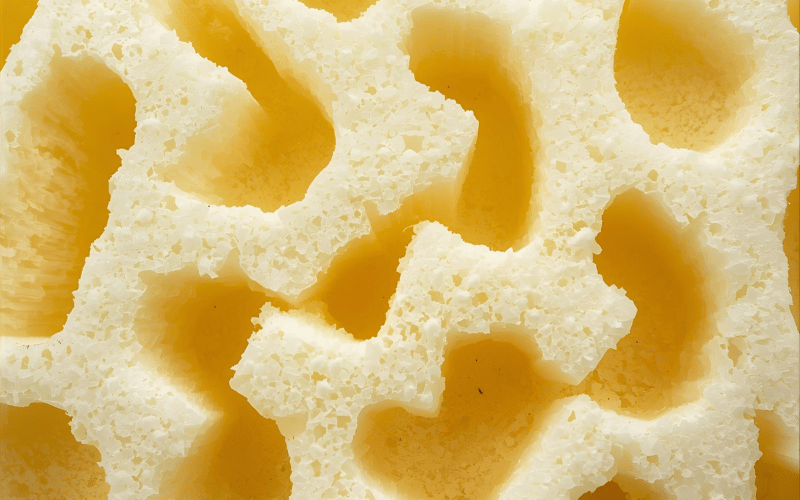
Polyurethane foam is a lightweight, flexible, and durable material made by reacting polyols and diisocyanates. Its structure is a network of interconnected cells that can be either open or closed, which determines its physical properties. This material is widely used for applications like insulation, cushioning, and packaging due to its excellent performance and versatility.
What is Polyurethane Foam Made Of?
Polyurethane foam is made from two primary chemical components: a polyol and an isocyanate. The polyol is a liquid substance that serves as the base material, essentially determining the foam’s flexibility and softness. The isocyanate is a highly reactive chemical that, when mixed with the polyol, drives the foam-forming reaction and influences whether the final product is rigid or flexible.
Beyond the two main liquids, other substances are crucial for creating the final foam product. Blowing agents are added to the mixture to produce gas, which makes the foam’s cellular network of bubbles. Catalysts are also included to control the speed of the chemical reaction between the polyol and isocyanate. Finally, various additives can be introduced to enhance specific properties, such as flame resistance, color, or overall durability, tailoring the foam for its intended use.
How is Polyurethane Foam Produced?
The production of polyurethane foam involves a precise sequence of steps, starting with mixing. A polyol and an isocyanate are combined at a specific ratio, along with key ingredients such as blowing agents, catalysts, and additives. This mixture immediately undergoes a chemical reaction, generating heat and gas that cause the liquid to expand and form a cellular foam structure. Following expansion, the material enters the curing phase, where it is allowed to set and solidify to ensure it achieves the necessary durability and performance. Once fully cured, the foam undergoes shaping and cutting, where it is sliced or molded into the required sizes for its final application.
Different production adjustments result in distinct types of foam. Flexible foam is known for its softness and cushioning properties, making it the standard choice for furniture, mattresses, and automotive seating. Rigid foam is engineered for high thermal resistance, which makes it commonly used for insulation in construction projects and refrigeration units. Finally, spray foam is applied as a liquid that expands and hardens in place, and is frequently used to seal gaps and insulate hard-to-reach spaces.
Polyurethane foam is a highly versatile material derived from a combination of polyol, isocyanate, and other agents. The production process—involving mixing, reacting, curing, and shaping—allows manufacturers to create foam with specific properties tailored to different industries. Understanding this composition and process helps in selecting the correct type of foam for various applications and appreciating its critical importance in modern manufacturing.