
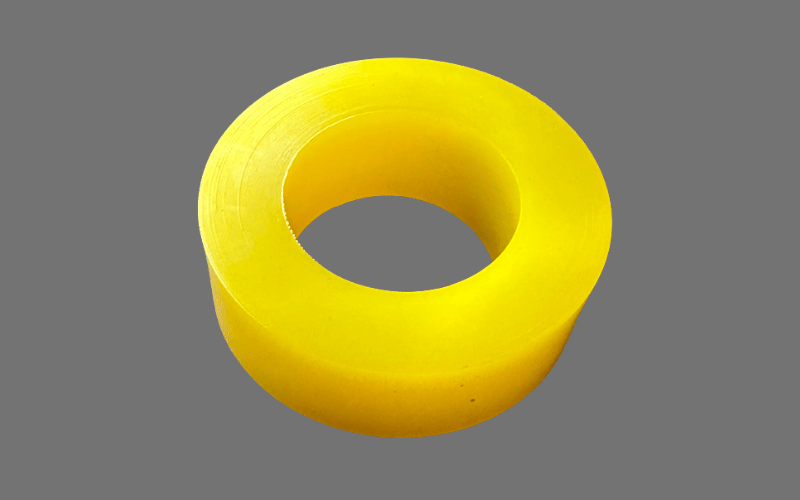
Polyurethane foam is standard in construction, insulation, furniture foam, floor protectant coatings, and more. However, working with it requires safety precautions, as it is hazardous in an uncured state. Take some time to learn how to work with it safely before taking on your next DIY project.
Your well-being is of utmost importance to us, and so understanding the risks of exposure is vital. Working with foam polyurethane is safe with the proper safety gear, and your project can be completed in less time than it takes to cure. Even in an untreated state, contact with the foam is completely harmless. So, let’s discuss the facts.
What Is Polyurethane?
Polyurethane is a unique synthetic polymer that can be found in various forms, such as liquid coatings, flexible foams, and rigid foams. Polyurethane, as well as resin, is a product of a curing process where the chemical components undergo a reaction to form a final product. Isocyanates are the primary chemicals that cause the reaction, but they can also emit volatile organic compounds (VOCs).
Polyurethane can be extremely helpful, but the curing process can be toxic and release strong chemicals into the air as well as cause skin irritation. Polyurethane should be handled in well-ventilated areas and with proper protection to avoid health risks.
Is Polyurethane Toxic?
Polyurethane is primarily toxic during its application and curing stages. Its incorrect handling can lead to negative consequences. It has isocyanates and emits VOCs. These can be harmful if you breathe, eat, or come into contact with them. These chemicals can be dangerous if inhaled in high concentrations without proper protective equipment. This can lead to respiratory irritation, lightheadedness, or severe, long-lasting effects.
Health Risks of Polyurethane Exposure
Working with polyurethane, particularly in its uncured state, can lead to health issues if you don’t take the proper precautions:
- Short-term exposure: Polyurethane fumes can irritate your eyes, nose, and throat. Symptoms may include headaches, dizziness, or nausea. Skin contact with uncured polyurethane may cause irritation or redness, especially if you have sensitive skin.
- Long-term exposure: Repeated exposure to uncured polyurethane can lead to chronic respiratory problems and skin allergies. Experts have linked isocyanates, which are key components in polyurethane, to more severe health conditions like asthma and sensitization after prolonged contact. To avoid these risks, you must use proper safety measures, such as personal protective equipment (PPE) and good ventilation, when applying and curing polyurethane.
Safe Practices for Handling Polyurethane
By understanding the potential risks and following safety procedures, you can ensure a safe and smooth experience with every polyurethane project you undertake. Below are some essential precautions to take.
Choose Low-Toxicity Products
When working with polyurethane, it’s essential always to read the labels to find the right product for your project. Opt for formulas labeled as low-VOC or non-toxic, especially for indoor applications. This choice confirms that the product has lower chemical content and is safer for home use than industrial-grade coatings. Always choose products designed for your specific task to minimize health risks.
Ensure Proper Ventilation
Good ventilation is crucial when applying polyurethane, especially during the application and curing phases. Polyurethane releases VOCs, which can cause respiratory issues if inhaled in large quantities. Always work in a well-ventilated area, using open windows, fans, or an exhaust system to improve airflow and reduce exposure. It’s also a good practice to take regular breaks away from the immediate work area.
Maintain a Clean Workspace
Designate a specific area for your polyurethane projects. Keep this workspace clean and clear of food, drinks, and other unnecessary items to avoid contamination. Using protective coverings like plastic sheeting on your work surfaces will prevent the polyurethane from adhering to them, making cleanup easier and reducing the chance of accidental skin contact.
Wear PPE
Always wear the proper protective gear when handling liquid polyurethane to reduce your risk of skin contact, eye irritation, and inhalation of fumes.
- Gloves: Wear chemical-resistant gloves, such as nitrile, as some materials can break down when exposed to polyurethane chemicals.
- Safety glasses: Protect your eyes from accidental splashes and fumes.
- Respirator: Wear a mask with organic vapor cartridges to protect your lungs from VOCs during application and curing.
- Protective clothing: Wear long sleeves and an apron to prevent skin contact from spills.
Avoid Heat Hazards
Extra caution is necessary when working with polyurethane, as many formulas are flammable. Uncured polyurethane can be particularly dangerous when exposed to high temperatures, which can cause it to release more harmful fumes or even ignite. Keep all heat sources and combustible items far from your workspace, and never leave the project unattended near heat.
Handle Cured Polyurethane with Care
Once the polyurethane has fully cured—a process that can take several days to a month—it is generally considered safe and non-toxic. However, if you need to sand or cut the cured finish, be aware that this can release fine dust particles. These particles can cause respiratory irritation if inhaled. Always wear a dust mask and work in a well-ventilated area when sanding to minimize your exposure.
Dispose of Polyurethane Responsibly
Once your project is complete, clean all tools and surfaces immediately before the polyurethane hardens. Acting quickly is essential, as cured polyurethane is rigid to remove. When disposing of leftover polyurethane, be sure to follow local regulations. You can typically throw away fully cured material with regular trash, but uncured polyurethane is hazardous waste and must be disposed of accordingly.
Store Polyurethane Securely
Keep polyurethane and related chemicals in tightly sealed, original containers to prevent fumes from escaping and to preserve product quality. Also, keep them away from moisture or heat sources. It’s best to store these materials out of reach of children and pets, ideally in a secure, dry location, such as a locked cabinet.
Frequently Asked Questions
Is polyurethane toxic to humans?
Polyurethane itself is a broad class of polymers, and many finished polyurethane products are essentially inert for users. Still, during production, application, or when damaged, they can release isocyanate-containing fumes and volatile organic compounds (VOCs) that pose potential health risks. Short-term exposures can irritate the eyes, skin, and respiratory tract; prolonged exposure—especially to diisocyanate or isocyanate fumes—can contribute to asthma, respiratory problems, and other human health effects. Proper ventilation and safety measures reduce risks associated with polyurethane.
Are polyurethane foam and spray foam toxic?
Polyurethane foam, including spray foam insulation, is made by a chemical reaction between polyol and diisocyanate components. During mixing and curing, it can emit toxic fumes and VOCs; uncured spray foam can cause skin irritation and respiratory symptoms. Once fully cured, most PU foam products are relatively inert, but improper installation or disturbance can release hazardous particles or fumes. Use of polyurethane foam should follow manufacturer guidance, adequate ventilation, and personal protective equipment to minimize exposure.
What health risks are associated with polyurethane and isocyanates?
Isocyanates are among the main chemicals of concern in polyurethane production and application. Exposure to isocyanate vapors or aerosols can trigger asthma, sensitization, and other respiratory problems, as well as skin irritation. Occupational exposures—such as in polyurethane manufacturing or spray foam installation—pose higher risks; regulatory bodies likethe Occupational Safety and Health Administration (OSHA) set exposure limits and recommend controls to protect workers.
Can polyurethane in a mattress or foam furniture be harmful?
Many mattresses and furniture use polyurethane foam (PU foam). Off-gassing of VOCs can occur when items are new, causing transient fume-related irritation in sensitive individuals. The toxicity of finished mattresses is generally low once fully aired out, but people with asthma or chemical sensitivities may experience symptoms. Choosing low-VOC, water-based polyurethane products or certified mattress options can reduce potential health risks.
How can I minimize exposure when working with polyurethane products?
To minimize exposure when working with polyurethane or polyurethane varnish, ensure proper ventilation, use local exhaust systems, and wear appropriate PPE such as respirators rated for organic vapors and protective gloves. Follow safety data sheets for chemicals used, avoid skin contact, and allow adequate curing time before re-entering an area. These safety measures reduce the likelihood of exposure to toxic fumes and skin irritation.
Are there safer alternatives to traditional polyurethane?
Alternatives to traditional polyurethane include water-based polyurethane products, natural oils and wax finishes, and other low-VOC coatings. Water-based polyurethane products generally emit fewer VOCs and have lower odor, reducing potential health and environmental impact. When selecting an alternative, consider durability, intended application (e.g., foam insulation versus varnish), and specific safety data to weigh benefits and risks.
What should I do if I suspect exposure to harmful polyurethane fumes?
If you suspect exposure to toxic fumes from polyurethane—such as strong odor, respiratory distress, dizziness, or skin irritation—move to fresh air immediately, wash exposed skin with soap and water, and seek medical attention if symptoms persist. In occupational settings, report the incident, document exposure details, and follow workplace incident protocols. Employers should provide medical evaluation and implement measures to prevent future exposures.
Does polyurethane have a long-term environmental impact?
Polyurethane production and disposal have environmental impacts: chemicals used in manufacturing, such as isocyanates and solvents, can be hazardous, and PU products are not always readily biodegradable. Recycling and choosing water-based formulations or materials with lower VOCs can help lower environmental impact. Proper handling in manufacturing and waste management reduces the release of harmful substances to the environment.
How do regulations and guidance address safety for polyurethane use?
Regulatory agencies like OSHA set occupational exposure limits and guide the safe handling of chemicals used in polyurethane manufacturing and application. Employers are expected to implement engineering controls, proper ventilation, PPE, and training to minimize potential health risks. Consumers should follow product instructions, allow adequate ventilation during and after application, and consider certified low-VOC products to reduce exposure.