
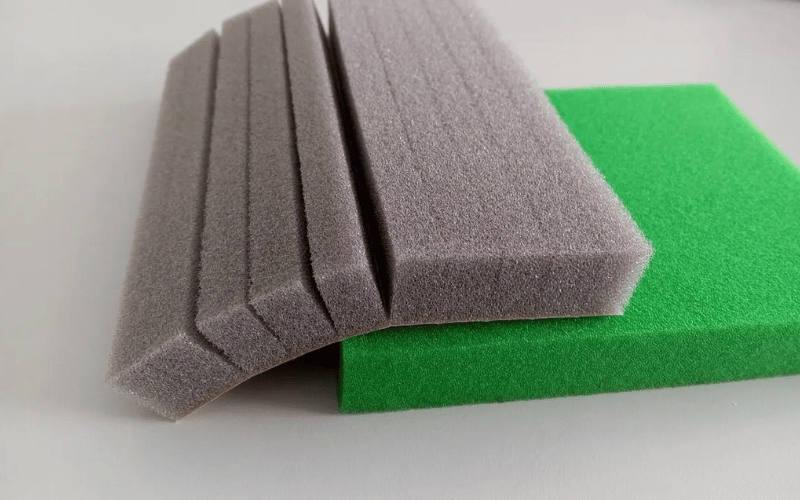
Polyurethane (PU) foam plays a vital role in our modern world, providing comfort in furniture, efficiency in building insulation, and protection in packaging. Its benefits are undeniable; it is a versatile material known for its excellent thermal performance and cushioning properties. For decades, it has been a go-to solution for countless consumer and industrial products.
However, as awareness grows around the materials we bring into our homes and workplaces, questions about the safety of PU foam have emerged. Concerns about chemical off-gassing and long-term health effects are valid. Below, we’ll identify the potential health risks lurking in this widely used material and what you can do to minimize exposure and ensure a safe environment.
Sources of PU Foam Exposure
PU foam, celebrated for its versatility and performance, can unfortunately also be a source of chemical exposure in indoor environments. Understanding the sources of this exposure is the first step toward safeguarding your health.
One of the primary sources is the release of volatile organic compounds (VOCs) during and after the manufacturing process. The chemical reaction that forms polyurethane can result in off-gassing, in which unreacted chemicals and byproducts are released into the air. This is most prominent in new products, such as a new mattress or sofa, and during the on-site application of spray foam insulation. Over time, as PU foam ages and degrades, it can break down, releasing dust particles and further chemical vapors into the surrounding environment.
Improper handling or damage to PU foam products is another significant source of exposure. Cutting, sanding, or tearing the foam can release fine dust particles containing isocyanates and other chemicals. This is particularly risky during DIY projects or renovations. A damaged foam cushion or insulation board can continuously shed particles into the living space, posing an ongoing inhalation or skin-contact risk.
Health Impacts of PU Foam
Prolonged or high-concentration exposure to the chemicals in PU foam can have several adverse effects on human health. Inhalation of VOCs and isocyanates is a primary concern. When these chemicals become airborne, they can irritate the respiratory system, leading to symptoms such as coughing, wheezing, sore throat, and shortness of breath. For some individuals, this can trigger asthma-like reactions or worsen existing respiratory conditions.
Skin contact with uncured PU foam or dust from degraded foam can also irritate, resulting in redness, itching, and dermatitis. Isocyanates are known sensitizers, meaning that repeated exposure can lead to the development of an allergic reaction, even in individuals who were not initially sensitive. Once sensitized, even very low levels of exposure can trigger a severe response.
While fully cured, stable PU foam is generally considered safe and inert, the risks primarily arise from the manufacturing and installation phases, or when the product begins to break down. It is essential to take precautions to minimize exposure during these critical periods. Following proper handling procedures, ensuring adequate ventilation, and using personal protective equipment can significantly reduce the health risks associated with polyurethane foam.
Vulnerable Groups and Health Symptoms
Specific individuals may be more susceptible to the health symptoms associated with exposure to chemicals from PU foam. Vulnerable groups include children, older adults, and people with pre-existing respiratory conditions like asthma or chronic obstructive pulmonary disease (COPD). Their developing or compromised systems can be more easily affected by airborne irritants.
For these individuals, exposure to VOCs from PU foam can trigger or worsen respiratory issues, leading to persistent coughing, chest tightness, and difficulty breathing. People with sensitive skin or chemical sensitivities may also experience heightened irritation, rashes, or other allergic reactions upon contact with the foam or its off-gassing products. Recognizing the vulnerability of these groups is crucial for implementing preventive measures to protect their health and well-being.
Alternatives to PU Foam
For those seeking alternatives to polyurethane foam, several options offer excellent performance without the same level of concern over chemical off-gassing. Here are a few popular choices:
- Natural Latex Foam: Sourced from the sap of rubber trees, natural latex is a durable and resilient alternative. It provides excellent support and is naturally resistant to dust mites and mold.
- Wool: As an insulation or upholstery filling, wool is a sustainable and natural choice. It offers excellent thermal and acoustic properties, is naturally flame-retardant, and helps regulate moisture to improve indoor air quality.
- Cotton: Often used for mattress and furniture fillings, organic cotton is a non-toxic, breathable alternative. It is soft, comfortable, and free from the chemicals used in synthetic foam production.
When considering alternatives, it is essential to evaluate factors like performance, durability, cost, and environmental impact. Consulting with product specialists can help you choose the best option for your needs.
Safe Handling and Disposal of PU Foam
It is recommended to use caution and follow safety guidelines when handling PU foam, particularly during installation or removal. Always wear appropriate personal protective equipment (PPE), including gloves, safety glasses, and a respirator, especially when cutting or spraying foam. Ensure the area is well-ventilated to disperse any VOCs or dust particles released during the process.
For the removal and disposal of old PU foam, professional assistance is highly recommended. Experienced professionals have the equipment and knowledge to handle the material safely, minimizing the release of harmful particles into your home. They will also ensure the foam is disposed of in accordance with local environmental regulations.
Conclusion
Being aware of the potential health risks associated with PU foam is crucial for maintaining a safe and healthy living environment. By understanding the sources of chemical exposure, the potential health impacts, and the available alternatives, you can make informed decisions about the products you bring into your home. While modern PU foam is generally safe once fully cured and properly installed, taking precautions during installation and considering product certifications for low VOCs are wise steps.
When it comes to handling, removal, or if you have concerns about existing products, seeking professional assistance ensures a safe and efficient process. Prioritizing certified, low-emission products and proper ventilation can help mitigate the risks, allowing you to enjoy the benefits of PU foam while protecting your health.