Polyurethane rigid foam insulation emerged as a significant advancement in building materials following its development in the mid-20th century. Its exceptional thermal resistance quickly established it as a premier choice for energy-efficient construction.
This material has become a cornerstone in modern insulation solutions, valued for its superior performance and versatility in a wide range of applications, from residential walls to commercial roofing. As homeowners and builders increasingly prioritize energy savings and sustainable living, polyurethane foam’s popularity continues to grow. However, like any building material, it has unique characteristics. It is essential to weigh both its benefits and its potential drawbacks to make an informed choice. This article will explore the detailed pros and cons of polyurethane rigid foam, helping you determine if it is the ideal insulation for your project.
What Is Polyurethane Rigid Foam Insulation?
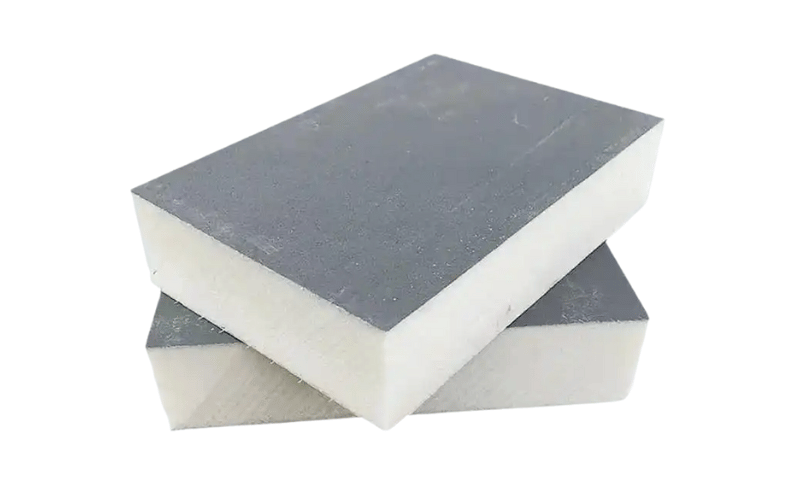
Polyurethane rigid foam is a high-performance insulation material used to enhance energy efficiency in residential and commercial buildings. It is a type of thermoset plastic created by reacting two chemical components, a polyol and an isocyanate, which expand to form a rigid, cellular structure. This closed-cell structure is filled with a low-conductivity gas, giving it an exceptional ability to resist heat flow, known as a high R-value. The material is available in several forms, including rigid foam boards, spray-applied foam (spray foam), and insulated metal panels. Each form is suited for specific applications, such as insulating walls, roofs, floors, and foundations. By creating a continuous and effective thermal barrier, polyurethane rigid foam helps maintain consistent indoor temperatures, reduce energy consumption, and improve overall building comfort.
Key Characteristics of Polyurethane Rigid Foam Insulation
- Composition: Made from polyurethane, a polymer created by reacting chemicals that expand into a rigid, closed-cell foam.
- Function: Provides exceptional thermal insulation and acts as an effective air and moisture barrier.
- Forms: Available as rigid foam boards for structural applications or as spray-applied foam for seamless coverage.
- Placement: Commonly used in walls, roofs, foundations, and floors to create a continuous insulation layer.
- Benefits: Offers a high R-value per inch, enhances structural integrity, and resists moisture penetration.
Pros of Polyurethane Rigid Foam Insulation
Polyurethane rigid foam offers a range of advantages that make it a superior choice for many insulation projects. Here are some of the key benefits:
- High R-Value
Polyurethane foam has one of the highest R-values per inch among commercially available insulation materials. This exceptional thermal resistance effectively stops heat transfer, helping keep your home comfortable while significantly reducing energy consumption and lowering utility bills. - Air Sealing
When applied as a spray, polyurethane foam expands to fill every crack and crevice, creating a continuous, airtight seal. This eliminates air leaks, which can account for a large portion of a building’s energy loss. This comprehensive air barrier improves indoor air quality by blocking dust, pollen, and other pollutants from entering. - Moisture Resistance
The closed-cell structure of polyurethane rigid foam makes it highly resistant to moisture. It does not absorb water, which helps prevent mold and mildew growth. This makes it an excellent choice for basements, crawl spaces, and other areas prone to dampness, protecting the building’s structural integrity. - Durability
Polyurethane rigid foam is an incredibly durable and long-lasting material. It is inflexible and does not settle, sag, or compress over time, ensuring it maintains its thermal performance for the life of the building. This stability means you won’t have to worry about replacing or supplementing your insulation down the road. - Structural Support
The rigidity and high density of polyurethane foam can add structural strength to walls and roof assemblies. When spray foam is applied between studs or joists, it adheres to the surfaces and can increase the structure’s racking strength, making it more resilient to high winds and other environmental stressors.
Cons of Polyurethane Rigid Foam Insulation
While polyurethane rigid foam has many compelling advantages, it is essential to consider its potential drawbacks before making a decision.
- Higher Cost
One of the primary disadvantages of polyurethane foam is its higher upfront cost compared to traditional insulation materials like fiberglass or cellulose. Both the material itself and the specialized labor required for installation contribute to a greater initial investment, which can be a significant factor for budget-conscious projects. - Professional Installation Required
Applying spray polyurethane foam is a complex chemical process that requires precise mixing, temperature control, and application techniques. It is not a DIY-friendly project. Trained and certified professionals must perform proper installation to ensure its effectiveness, safety, and long-term performance. - Potential for Off-Gassing
During and immediately after application, spray polyurethane foam can release volatile organic compounds (VOCs) and other fumes as it cures. Proper ventilation is critical during this period, and occupants may need to vacate the premises for 24-48 hours to avoid respiratory irritation or other health effects. - Not Eco-Friendly
Polyurethane foam is derived from petroleum-based chemicals, which are non-renewable resources. The manufacturing process is energy-intensive, and the material is difficult to recycle at the end of its life, raising concerns about its overall environmental impact compared to more sustainable options. - Flammability Concerns
Although treated with flame retardants, polyurethane foam is combustible and can release toxic smoke when burned. Building codes require that it be covered with a thermal barrier, such as drywall or a specific fire-resistant coating, to prevent ignition and ensure the safety of the occupants.
Alternatives to Polyurethane Rigid Foam Insulation
While polyurethane rigid foam is a top performer, other insulation materials may be better suited for your specific needs and budget.
- Fiberglass Insulation
Fiberglass is a highly affordable and widely available insulation option, making it popular for budget-conscious projects. It is easy for DIYers to install, especially in batt form. However, its R-value per inch is lower than that of that of polyurethane foam, and it does not create an air seal, potentially allowing energy loss through gaps and cracks. - Cellulose Insulation
Made from recycled paper products, cellulose is an environmentally friendly choice that provides good thermal performance. As a loose-fill material, it conforms well to irregular spaces, making it ideal for attics. Its main drawback is a susceptibility to moisture absorption, which can lead to compaction and reduced effectiveness if not properly managed. - Mineral Wool Insulation
Mineral wool, also known as rock wool, is a high-density insulation that offers exceptional fire resistance and superior soundproofing qualities. It also resists moisture well. While its R-value is comparable to some foams, it is generally more expensive than fiberglass and can be more challenging to cut and fit than other materials.
Is Polyurethane Rigid Foam Insulation Right for You?
Polyurethane rigid foam insulation is an excellent choice for homeowners who prioritize long-term performance, superior energy efficiency, and a durable, airtight building envelope. Its high R-value and moisture resistance make it a premium solution. However, its higher cost and the need for professional installation mean it may not be the right fit for every budget or project. It’s essential to weigh its significant benefits against the initial investment and potential drawbacks.
At Henghui, we offer a range of insulation solutions and can help you determine the best material for your home. Our experts will assess your specific needs, budget, and local climate to recommend a product that delivers optimal performance and value. We are committed to ensuring proper installation for maximum energy savings and comfort.
Contact us today to schedule a consultation and find the perfect insulation for your home