
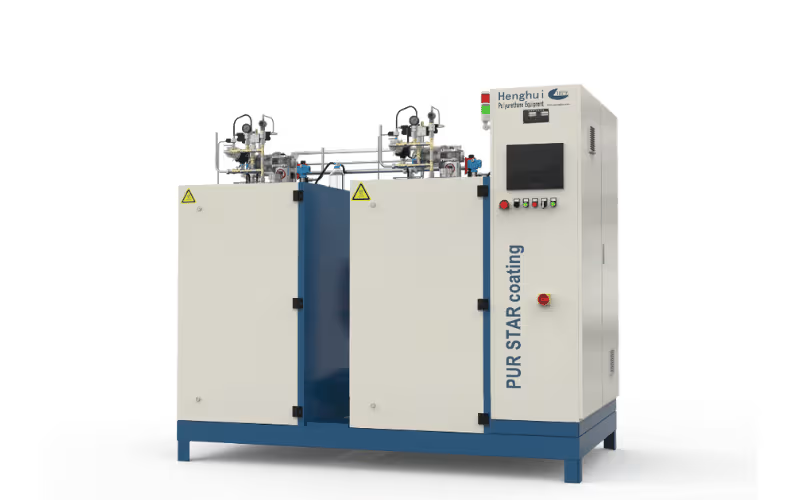
A Resin Transfer Molding (RTM) machine is a highly specialized and vital piece of equipment used for producing high-performance composite materials. This advanced manufacturing process seamlessly combines dry reinforcement fibers with liquid thermosetting resins inside a tightly closed mold. The resulting composite parts boast exceptional strength-to-weight ratios, making them highly desirable for demanding industrial applications. As material engineering continues to evolve, RTM technology stands out as a reliable method for creating durable, lightweight structures. Its widespread adoption highlights its critical importance in modern manufacturing, particularly in sectors that demand precision, consistency, and uncompromising structural integrity from every manufactured component.
Industries such as aerospace, automotive, and commercial construction rely heavily on RTM machines to meet strict performance and safety standards. These machines allow engineers to replace heavy metal components with advanced polymer composites, drastically improving fuel efficiency and overall design flexibility. In this comprehensive guide, we will explore the inner workings of resin transfer molding machines. You will learn about their fundamental design, key operational components, and the step-by-step molding process. Furthermore, we will delve into the distinct advantages of RTM over alternative molding techniques and highlight the diverse industrial applications that leverage this powerful composite manufacturing technology.
What is a Resin Transfer Molding Machine?
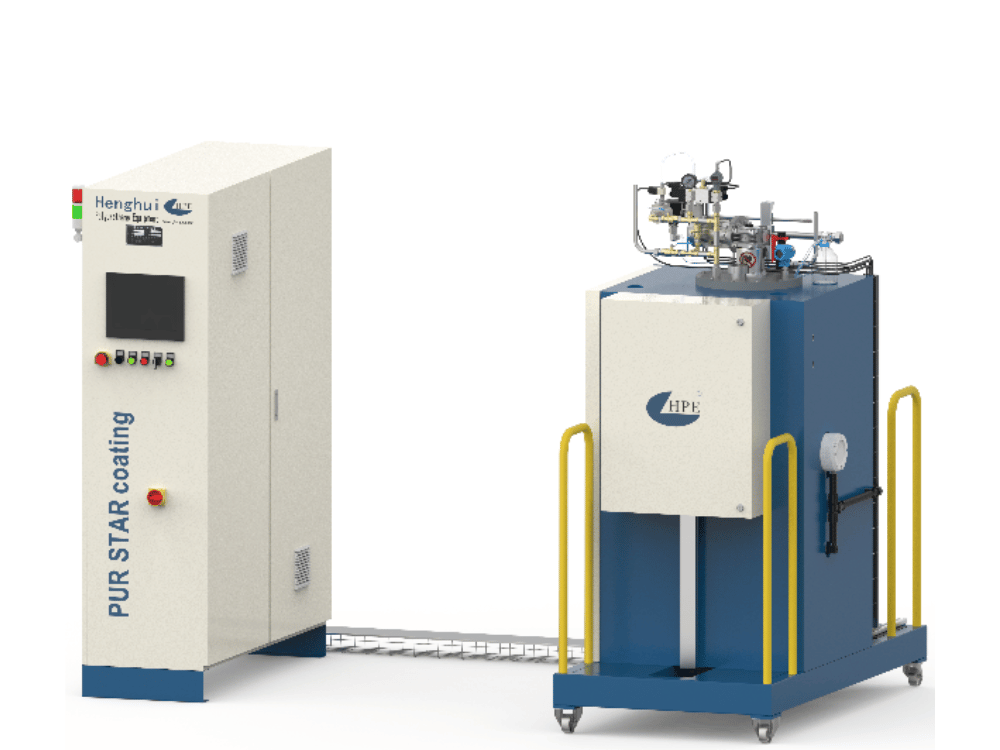
A resin transfer molding machine serves as the central hub for producing advanced composite parts through a closed-mold process. These highly engineered machines serve a crucial role in modern composite manufacturing by precisely controlling the flow of liquid resin. At its core, the equipment consists of a robust pumping system designed to mix and move thermosetting polymers, such as epoxy or polyurethane. The machine connects directly to a custom-designed mold, allowing operators to produce highly complex, three-dimensional shapes with remarkable accuracy. This level of control ensures that manufacturers can consistently output structural components that meet precise engineering tolerances and strict quality standards.
The actual process involves injecting a catalyzed liquid resin into a tightly sealed mold cavity that already contains dry reinforcement materials, such as woven fiberglass or carbon fiber mats. The RTM machine pumps the resin at carefully controlled pressures, forcing the resin to completely permeate the dry fibers. This thorough saturation ensures the final composite structure possesses uniform strength and durability. By executing this injection within a securely sealed environment, the machine prevents external contamination and prevents hazardous chemical emissions from escaping into the workspace, thereby protecting operators and maintaining a highly controlled manufacturing atmosphere throughout the production cycle.
Using an RTM machine offers numerous advantages, particularly in precision and overall product quality. Because the closed mold defines both the inner and outer surfaces of the part, the resulting composite features exceptionally smooth finishes on all sides. This drastically reduces the need for extensive post-production machining or surface sanding. Additionally, the machine’s precise metering capabilities significantly reduce raw material waste, ensuring that only the exact amount of resin required enters the mold. Consequently, manufacturers achieve high-quality composite production with fewer defects, lower scrap rates, and improved overall operational efficiency for their production lines.
The Significance of RTM Machines in Composite Manufacturing
Resin transfer molding machines are fundamentally transforming the landscape of composite manufacturing by enabling the rapid production of incredibly lightweight, high-strength components. As global industries push to reduce the physical weight of their products without sacrificing structural rigidity, the ability to effortlessly combine tough carbon fibers with resilient resins becomes absolutely vital. RTM machines facilitate this precise combination, yielding parts that rival the durability of heavy steel while weighing a mere fraction of traditional metals. This exceptional strength-to-weight ratio allows engineers to push the boundaries of structural design, creating highly efficient products that meet the rigorous demands of modern industrial applications.
Beyond enhancing material strength, these advanced machines play a critical role in drastically reducing costly material waste and actively improving overall production efficiency. Traditional open-mold techniques often result in excessive resin overspray and inconsistent material distribution, leading to high rejection rates. RTM machines solve this problem by using a fully enclosed system that injects the exact volume of resin required to perfectly saturate the dry fibers. This high level of precision eliminates costly chemical waste and shortens the necessary curing cycles. Consequently, manufacturers can significantly increase their daily production output while maintaining strict cost controls and minimizing their environmental footprint.
The profound significance of RTM technology is especially apparent in industries that require highly complex geometries and superior high-performance materials. Aerospace engineers, automotive designers, and marine architects frequently design intricate, multi-faceted parts that are incredibly difficult to manufacture using conventional methods. RTM machines excel in these challenging scenarios because the pressurized liquid resin can easily navigate around sharp corners and intricate internal mold structures before solidifying. This unique capability enables manufacturers to produce highly integrated, single-piece structural components, thereby reducing the need for secondary assembly processes and ensuring the long-term reliability of the final composite product.
Understanding the Difference Between RTM and Other Molding Techniques
To fully appreciate resin transfer molding, it helps to compare its unique features directly against other popular composite manufacturing techniques, such as vacuum infusion and compression molding. The defining characteristic of RTM is its strictly closed-mold operation combined with highly precise, pressurized resin injection. While vacuum infusion relies entirely on negative atmospheric pressure to slowly draw resin through the reinforcement fibers, RTM utilizes a dedicated mechanical pumping system to actively push the resin into the cavity. This pressurized approach guarantees a much faster, more thorough saturation of the dry materials, resulting in a highly efficient and easily repeatable manufacturing process.
The distinct advantages of RTM over alternative methods become clear when evaluating the final surface finish and the part’s overall structural integrity. Because RTM utilizes a rigid, two-sided closed mold, the finished composite boasts a perfectly smooth, dimensionally accurate surface on both its internal and external faces. In contrast, open-mold techniques typically leave one side rough and unfinished. Furthermore, the pressurized injection mechanism in RTM actively forces trapped air out of the mold cavity, significantly reducing the occurrence of microscopic voids or dry spots in the composite. This leads to vastly superior mechanical properties and fewer rejected parts.
Understanding specific manufacturing scenarios helps determine exactly when RTM is the preferred technique over competing methods. RTM is widely considered the optimal choice for medium-to-high volume production runs where dimensional accuracy, tight tolerances, and dual-sided surface finishes are strictly required. If a manufacturer needs to produce hundreds of identical, complex automotive structural panels with minimal variation, an RTM machine’s repeatability is unmatched. Conversely, while vacuum infusion might be better suited for massive, one-off marine hulls, RTM remains the ultimate solution for creating intricate, high-performance composite components quickly and efficiently within a controlled industrial environment.
Key Components of a Resin Transfer Molding Machine
Injection System
The injection system functions as the beating heart of the resin transfer molding machine, responsible for accurately mixing and delivering the liquid polymer into the mold. This highly sophisticated system typically features dedicated pumps for the base resin and the chemical catalyst, ensuring a perfectly calibrated mixture before the liquid enters the mold cavity. Advanced injection systems incorporate precise pressure control mechanisms and highly adjustable flow-rate settings, allowing operators to fine-tune injection speed based on the resin’s viscosity and the part’s complex geometry. This ensures thorough fiber saturation without causing dangerous pressure spikes.
Mold
The mold serves as the rigid physical shell that dictates the exact shape, size, and surface finish of the final composite part. In the RTM process, the mold consists of two perfectly matched halves that securely clamp together to form a completely sealed internal cavity. Manufacturers typically construct these molds from highly durable materials, such as machined aluminum, heavy-duty steel, or reinforced composite tooling boards, depending on the required production volume. When designing the mold, engineers must carefully consider the strategic placement of resin injection ports and air vents to ensure smooth, completely unobstructed liquid flow throughout the entire fiber matrix.
Heating System
A robust and reliable heating system is essential for maintaining the temperatures required to ensure proper resin flow and accelerate final curing. Many RTM molds feature built-in heating channels or integrated electrical heating pads that distribute heat evenly across the tool’s surface. By actively elevating the temperature of the mold cavity, the heating system dramatically lowers the viscosity of the injected liquid resin, allowing it to permeate the tightly packed reinforcement fibers much more easily. Once the mold is completely filled, maintaining this elevated temperature ensures a rapid, structurally sound chemical cure.
Clamping System
The mechanical clamping system plays a vital role in ensuring a perfectly tight, impenetrable seal between the two halves of the mold during the high-pressure injection phase. Because the RTM machine actively pushes liquid resin into the cavity under significant mechanical force, the mold must remain securely locked to prevent hazardous chemical leaks and maintain precise dimensional accuracy. Industrial RTM setups frequently utilize massive hydraulic or pneumatic clamping presses that exert tons of downward force, completely counteracting the internal pressure of the expanding resin. This robust clamping mechanism ensures that the finished composite part meets the intended engineering specifications.
Vacuum System
While not always strictly required for basic RTM, a highly efficient vacuum system significantly improves the overall quality of the composite by actively removing trapped air from the mold cavity before and during resin injection. This technique, often referred to as Vacuum Assisted Resin Transfer Molding (VARTM), utilizes a powerful vacuum pump to draw a strong negative pressure within the sealed tool. This negative pressure effectively eliminates microscopic air pockets within the dry fiber mats and actively pulls the incoming liquid resin through the mold. Consequently, the vacuum system guarantees a flawless, void-free composite structure with superior mechanical strength.
How Does a Resin Transfer Molding Machine Work?
Material Preparation
The RTM process begins with the careful preparation of the dry reinforcement materials and the liquid resin system. Technicians meticulously cut and shape woven fiberglass, carbon fiber, or aramid mats to match the precise internal contours of the desired part. These dry fiber preforms are sometimes temporarily bound together using a light adhesive to hold their complex shape during handling. Simultaneously, the operator prepares the RTM machine by ensuring the resin and chemical hardener reservoirs are fully stocked and properly heated. Preparing these materials accurately is absolutely critical for ensuring a smooth injection process and a structurally sound final composite.
Mold Setup
Once the materials are ready, the operator carefully places the dry fiber preform into the open lower half of the rigid mold. It is vital to ensure the fibers sit perfectly flat without unwanted wrinkles or folds that could disrupt the resin flow. After positioning the reinforcement, the operator applies a specialized release agent to the mold surfaces to prevent the cured part from sticking. Finally, the heavy upper half of the mold is lowered into place, and the robust hydraulic clamping system engages, creating a completely airtight, high-pressure seal that prepares the internal cavity for the liquid injection phase.
Resin Injection
With the mold securely clamped and optionally evacuated of air via the vacuum system, the actual resin injection process commences. The RTM machine pumps the precisely mixed, catalyzed liquid resin through specific injection ports located on the mold’s exterior. The pressurized liquid rapidly flows into the sealed cavity, thoroughly saturating the tightly packed dry reinforcement fibers. Operators closely monitor the internal pressure gauges and flow meters on the machine to ensure the resin permeates every single microscopic gap without displacing the delicate fiber preform. This controlled injection continues until liquid resin visibly exits through the designated air vents.
Curing and Demolding
After the mold cavity is completely filled with resin, the injection ports are sealed, and the curing process officially begins. The integrated heating system maintains a specific, elevated temperature to accelerate the chemical cross-linking of the thermosetting polymer. The exact curing time varies depending on the specific resin chemistry and the overall thickness of the part. Once the composite has fully hardened and solidified, the heating system cools down, and the hydraulic clamps release the heavy mold halves. The operator then carefully removes the finished, highly durable composite part from the tool, readying it for final trimming and minor finishing work.
Advantages of Resin Transfer Molding Machines
One of the most prominent advantages of utilizing resin transfer molding machines is their ability to produce parts with a truly superior surface finish and unparalleled dimensional accuracy. Because the composite cures entirely within a highly rigid, two-sided closed mold, both the interior and exterior surfaces emerge perfectly smooth and precisely formed. This exceptionally clean finish drastically reduces the time and money spent on post-mold sanding or aesthetic machining, delivering a high-quality product right out of the tool.
Furthermore, RTM machines offer significant environmental and economic benefits through reduced material waste and a lower overall environmental impact. The closed-mold nature of the process completely eliminates harmful volatile organic compound (VOC) emissions typically associated with open-mold spraying. Additionally, the machine’s highly precise injection metering ensures that only the exact amount of required resin is used, actively preventing expensive chemical spillage and significantly minimizing raw material waste during high-volume production cycles.
The unique mechanics of the RTM process grant engineers the remarkable ability to easily produce parts featuring highly complex geometries and massive, sweeping dimensions. The pressurized liquid resin effortlessly navigates intricate mold details, sharp structural corners, and deeply recessed pockets that would be nearly impossible to saturate using traditional hand-layup techniques. This design flexibility allows manufacturers to consolidate multiple individual components into a single, cohesive, large-scale composite structure, massively improving the part’s overall durability.
Finally, resin transfer molding machines deliver exceptionally high production efficiency and spectacular part-to-part repeatability. Once the mold parameters, injection pressures, and heating cycles are properly calibrated, the machine can seamlessly replicate the exact same high-performance composite part hundreds or thousands of times without any structural deviation. This highly automated, reliable consistency is absolutely essential for strictly regulated industries, ensuring that every manufactured component consistently meets the most rigorous quality and safety standards.
Types of Resin Transfer Molding Machines
High-Pressure RTM Machines
High-Pressure Resin Transfer Molding (HP-RTM) machines represent the absolute pinnacle of rapid, high-volume composite manufacturing. These highly robust systems utilize exceptionally powerful injection pumps that can blast highly reactive, fast-curing resins into the mold cavity at pressures exceeding 100 bar. This intense pressure ensures that the thick liquid resin thoroughly saturates the dry fiber preforms in mere seconds. HP-RTM is specifically designed to drastically reduce overall cycle times, allowing manufacturers to cure and demold massive composite parts in under five minutes. Because of their incredible speed and efficiency, these heavy-duty machines are widely used in the mass-production automotive industry, where factories must rapidly churn out thousands of identical, large-scale structural components, such as lightweight chassis panels and tough carbon-fiber roof structures, to meet aggressive daily assembly-line quotas.
Low-Pressure RTM Machines
In contrast to their high-pressure counterparts, Low-Pressure Resin Transfer Molding (LP-RTM) machines operate at much gentler injection pressures, typically staying below 10 bar. These highly versatile machines are perfectly suited for small- to medium-scale production runs and projects involving incredibly intricate, delicate fiber preforms that might be damaged or displaced by aggressive, high-pressure flows. Because the injection forces are significantly lower, manufacturers can utilize much lighter, more cost-effective tooling materials, such as epoxy or aluminum molds, rather than requiring massive, heavily reinforced steel presses. LP-RTM machines excel in applications demanding absolute precision over raw manufacturing speed. They are frequently employed in the aerospace and marine sectors to produce highly complex, specialized composite parts, such as intricate interior cabin panels, unique aerodynamic fairings, and custom-designed boat components that require meticulous attention to detail and superior structural consistency.
Applications of Resin Transfer Molding Machines
Aerospace Industry
The aerospace industry relies extensively on resin transfer molding machines to manufacture critical lightweight, high-strength components that ensure the safety and efficiency of modern aircraft. By utilizing RTM to process advanced carbon fiber and epoxy composites, aerospace engineers can produce highly rigid structural frames, durable aerodynamic fairings, and complex interior cabin panels that weigh significantly less than traditional aluminum equivalents. This massive reduction in structural weight directly translates into vast improvements in fuel efficiency, greater cargo capacity, and extended flight range, making RTM an absolutely indispensable manufacturing technology for both commercial aviation and defense-oriented aerospace applications.
Automotive Industry
In the fast-paced automotive industry, RTM machines play a monumental role in producing both hidden structural components and highly aesthetic exterior parts. Automakers leverage this advanced technology to manufacture lightweight carbon fiber hoods, impact-resistant bumper supports, and rigid chassis reinforcements that drastically improve vehicle handling and crash safety. Furthermore, the exceptional surface finish provided by the RTM process ensures that exterior composite panels meet the strict aesthetic standards required for premium sports cars and modern electric vehicles. This seamless combination of speed, strength, and visual appeal makes RTM vital for automotive innovation.
Construction Industry
The commercial construction industry increasingly utilizes resin transfer molding to create highly durable, weather-resistant structural components that outperform traditional building materials. RTM machines efficiently produce rugged architectural cladding, lightweight bridge reinforcements, and tough composite utility poles that actively resist severe corrosion, biological rotting, and aggressive chemical degradation. Because these composite materials withstand decades of exposure to blistering sun and freezing rain without compromising their load-bearing integrity, RTM provides architects and builders with a remarkably reliable, long-lasting solution for modern infrastructure projects that demand maximum resilience and minimal ongoing maintenance.
Sports and Recreation
Resin transfer molding machines are highly prized in the sports and recreation sector for their ability to manufacture premium, high-performance athletic equipment. The precise fiber saturation and excellent strength-to-weight ratios achieved through RTM are ideal for producing elite sporting goods that must withstand intense physical stress. Manufacturers consistently use this technology to craft incredibly stiff bicycle frames, highly durable kayak hulls, responsive tennis rackets, and tough snowboards. By leveraging RTM, sporting goods companies can provide professional athletes and enthusiastic hobbyists with top-tier equipment that maximizes competitive performance and ensures exceptional structural longevity.
Conclusion
Resin transfer molding machines serve as a cornerstone of modern composite manufacturing, enabling the efficient production of lightweight, high-strength components across a multitude of industries. By precisely injecting liquid resin into closed molds, these advanced machines ensure superior surface finishes, reduce costly material waste, and effortlessly handle complex geometric designs. From crafting critical aerospace structures to manufacturing elite sports equipment, RTM technology consistently delivers unparalleled durability and precision. As global demand for sustainable, high-performance composites continues to accelerate, resin transfer molding machines will undoubtedly remain at the forefront of industrial innovation, driving the future of advanced materials engineering.