

Spray foam reactors are the powerhouse behind some of the most effective insulation and protective coating solutions in modern construction and industry. These sophisticated machines are essential for processing high-performance materials like polyurethane and polyurea, which require precise mixing and application. This guide will explore what a spray foam reactor is, delve into the applications of polyurethane and polyurea, and provide key technical considerations for choosing and maintaining the right equipment. By the end, you will have a clear understanding of how these machines transform liquid chemicals into durable, high-performance materials.
Understanding the Reactor
To fully grasp the capabilities and importance of a spray foam reactor, it’s essential to explore its various types and components. From understanding the differences between popular models like the E-20 and E-30 to breaking down the key elements that make up the system, this section provides a comprehensive look at what makes these machines indispensable for polyurethane and polyurea applications.
What is a Spray Foam Reactor?
A spray foam reactor is a piece of plural-component equipment designed to precisely meter, heat, and mix two reactive chemicals (typically an ‘A’ component and a ‘B’ component) before dispensing them through a spray gun. It is the core of any professional spray foam or polyurea system. Its importance lies in its ability to maintain precise ratios and temperatures, which are critical for the chemical reaction that forms the foam or coating. Without a reactor, achieving a consistent and practical application of these materials would be impossible.

Types of Reactors: E-20 vs E-30
When selecting a reactor, contractors often compare popular models like the Graco Reactor E-20 and E-30. The primary differences lie in their output capacity and power requirements, which dictate their suitability for various job sizes.
|
Feature |
Reactor E-20 |
Reactor E-30 |
|---|---|---|
|
Max Output |
20 lb (9 kg) per minute |
30 lb (13.6 kg) per minute |
|
Power Source |
Smaller generator/shore power |
Larger generator required |
|
Application |
Residential insulation, smaller jobs |
Commercial roofing, high-volume projects |
|
Cost |
Lower initial investment |
Higher initial investment |
|
Hose Length |
Up to 210 ft (64 m) |
Up to 310 ft (94 m) |
Key Components of a Reactor
A spray foam reactor is a complex system comprising several essential parts that work together to deliver on-ratio material. Understanding these foam machine parts is crucial for operation and troubleshooting.
- Proportioner: The central unit of the reactor. It houses the pumps that meter the two chemical components at a precise ratio (usually 1:1 by volume).
- Heaters: Both the ‘A’ and ‘B’ components are heated to specific temperatures to lower their viscosity and ensure proper mixing and reaction.
- Heated Hoses: A bundled hose set, often heated electrically, maintains the chemical temperatures as they travel from the reactor to the spray gun.
- Transfer Pumps: These pumps move the raw materials from 55-gallon drums into the reactor’s proportioning system.
- Spray Gun: The final stage where the two heated, pressurized chemicals are mixed and atomized as they are sprayed onto the surface.
Applications of Polyurethane Foam
Polyurethane foam’s versatility extends far beyond its elemental composition, making it a cornerstone material in various industries. From its unparalleled insulation capabilities to its role as a reliable adhesive and sealant, this material offers solutions that enhance energy efficiency, durability, and performance. Let’s dive deeper into the specific applications of polyurethane foam and the unique benefits it offers.
Uses in Insulation
Polyurethane foam is most widely known for its exceptional insulation properties. As a spray-applied material, it expands to fill every crack and crevice, creating a continuous air barrier that traditional insulation materials like fiberglass batts cannot match. This makes polyurethane foam insulation a highly effective tool for improving energy efficiency in spray foam. For example, applying it to wall cavities stops air leakage, while using it on roofs provides a seamless, waterproof, and insulating layer. It is also used to insulate pipes, ducts, and tanks in industrial settings.
Adhesives and Sealants
Beyond insulation, polyurethane foam serves as a powerful adhesive and sealant. Its ability to expand and bond to nearly any substrate makes it ideal for sealing gaps around windows, doors, and plumbing penetrations. In manufacturing, polyurethane foam sealants are used to bond dissimilar materials and provide a flexible, durable, and water-resistant seal. This combination of adhesion and sealing makes it a versatile solution for many adhesive foam applications in both construction and assembly lines.
Benefits of Polyurethane Foam
The widespread use of polyurethane foam stems from its numerous advantages over other materials. These spray foam benefits contribute to more comfortable, energy-efficient, and durable buildings.
- Superior Thermal Insulation: It has one of the highest R-values per inch among commercially available insulation materials.
- Air Sealing: Creates an airtight barrier that stops drafts and reduces energy loss.
- Moisture Barrier: Closed-cell spray foam acts as a vapor retarder, preventing moisture buildup within wall cavities.
- Structural Strength: It can add structural rigidity to walls and roofs when applied.
- Soundproofing: Its cellular structure helps to dampen sound transmission, creating quieter interior spaces.
Exploring Polyurea Applications
Polyurea has emerged as a game-changing material in protective coatings, offering unmatched performance in demanding environments. Its unique properties, such as rapid curing and exceptional durability, make it a versatile solution across industries. To better understand its potential, let’s explore the key advantages of polyurea, its typical industrial applications, and how it compares to polyurethane.
Advantages of Polyurea
Polyurea is a remarkable coating technology known for its extreme durability and rapid cure times. While structurally similar to polyurethane, it has distinct properties due to its unique chemical reaction. The primary benefits of polyurea make it ideal for demanding protective coating applications where downtime must be minimized.
- Extremely Fast Cure: Polyurea can set in as little as 5-15 seconds, allowing for a quick return to service.
- Incredible Durability: It has exceptionally high tensile strength and abrasion resistance.
- Chemical Resistance: It is highly resistant to a wide range of chemicals, fuels, and solvents.
- Flexibility: Remains flexible even in extreme temperatures, preventing cracking.
- Waterproof: Creates a seamless, monolithic membrane that is 100% waterproof.
Common Uses in Industry
The robustness of polyurea makes it a preferred solution for protecting valuable assets in harsh environments. Polyurea industrial applications are vast and varied. It is commonly used as a protective lining for truck beds, where it withstands impacts and prevents corrosion. For polyurea spray uses in infrastructure, it is applied to bridge decks and parking garages for waterproofing. Other applications include secondary containment liners for chemical tanks, protective coatings for pipes, and waterproof membranes for reservoirs and wastewater treatment facilities.
Comparison with Polyurethane
While often grouped, polyurea and polyurethane serve different purposes. The choice between them depends on the specific project requirements for cure time, durability, and cost.
|
Feature |
Polyurea |
Polyurethane Foam |
|---|---|---|
|
Primary Function |
Protective coating |
Insulation and sealing |
|
Cure Time |
Seconds to minutes |
Minutes to hours |
|
Moisture Sensitivity |
Relatively insensitive |
Highly sensitive during application |
|
Flexibility |
High (elastomeric) |
Can be flexible or rigid |
|
Cost |
Higher |
Lower |
|
Application |
Waterproofing, abrasion resistance |
Thermal and acoustic insulation |
Choosing the Right Equipment
Selecting the right equipment is the foundation of any successful spray foam or polyurea application. Beyond the reactor, a well-equipped spray rig ensures efficiency, safety, and precision on the job. From essential tools to the choice between electric and hydraulic machines, understanding the role of each component is key to optimizing your setup. Let’s take a closer look at the critical equipment needed and how to make the best choices for your specific needs.
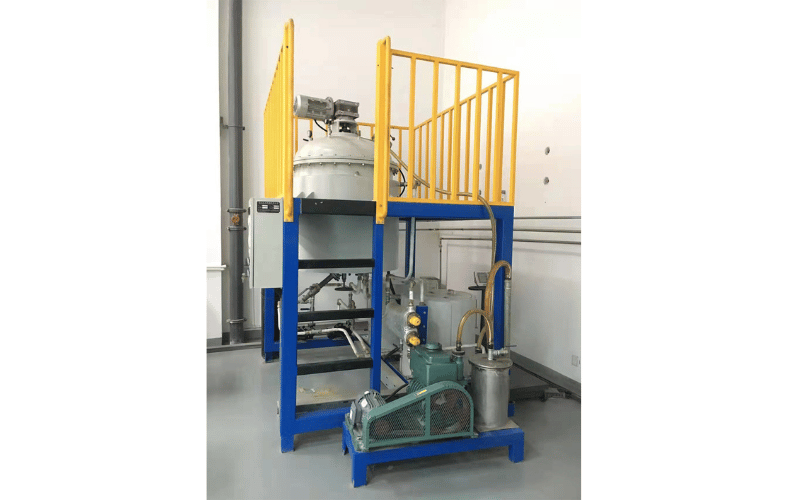
Essential Spray Equipment
A complete spray rig involves more than just the reactor. Having the right supporting spray foam equipment is essential for a safe and efficient operation. A typical mobile rig is a self-contained workshop on wheels.
Essential polyurea spray tools and foam equipment include:
- Spray Foam Reactor/Proportioner: The core machine for metering and heating.
- Heated Hoses: To maintain the chemical temperature to the gun.
- Spray Gun: For mixing and applying the material.
- Transfer Pumps: To feed material from drums to the reactor.
- Air Compressor: To power the transfer pumps and spray gun.
- Generator: To provide electrical power for the entire system.
- Personal Protective Equipment (PPE): Includes a full-face respirator, suit, and gloves.
Electric vs Hydraulic Machines
Spray foam reactors are primarily available in two power configurations: electric and hydraulic. The choice between electric and hydraulic spray machines depends on the required output and the type of work being done. Electric machines, like the Graco E-series, are lighter and more common for residential insulation. Hydraulic machines, such as the Graco H-series, are more powerful and the standard for high-output commercial roofing and polyurea applications.
|
Machine Type |
Pros |
Cons |
|---|---|---|
|
Electric |
Lighter, quieter, more energy-efficient. |
Lower output capacity. |
|
Hydraulic |
Higher output, more power for high-viscosity materials. |
Heavier, louder, requires more maintenance. |
Selecting the Right Proportioner
Choosing the right spray foam proportioner is a critical decision. The primary factor is the required output. An E-20 may be perfect for a residential crew, but it would be too slow for a large commercial roofing project. You must also consider material compatibility; some polyurea systems require the higher pressures that only hydraulic machines can provide. Finally, ease of use and data reporting features, like those found on Graco’s Reactor 3 systems, can improve job accuracy and simplify troubleshooting when choosing foam equipment.
Technical Considerations
When working with polyurethane and polyurea systems, understanding the technical aspects of your equipment and materials is essential for achieving optimal results. From the intricacies of plural-component systems to the importance of regular maintenance and strict safety protocols, these considerations ensure both efficiency and safety in every application. Let’s delve into the key technical factors that every operator should know.
Understanding Plural Component Systems
Polyurethane and polyurea systems are known as plural-component systems because they are created by mixing two separate reactive components. The ‘A’ component (isocyanate) and the ‘B’ component (polyol/resin blend) are kept separate until the moment of application. The reactor’s job is to deliver these two parts at a perfect 1:1 ratio, at the correct temperature and pressure, into the spray gun. Inside the gun, they collide at high velocity, mix, and begin reacting as they are sprayed onto the surface. This advanced foam mixing technology is what makes these high-performance materials possible.
Maintenance of Spray Foam Machines
Proper spray foam machine maintenance is crucial for ensuring equipment longevity and consistent on-ratio application. Neglecting to care for foam equipment can lead to costly downtime and poor-quality results.
Maintenance Checklist:
- Daily: Clean the spray gun thoroughly after each use to prevent chemical crossover and clogging.
- Weekly: Inspect and clean the Y-strainer filters on the proportioner to ensure good chemical flow.
- Monthly: Check pump lubrication levels and inspect hoses for any signs of wear or damage.
- Annually: Have a qualified technician calibrate the machine and check for component wear.
Safety Measures in Handling Chemicals
Handling spray foam chemicals requires strict adherence to safety protocols. Isocyanates (the ‘A’ component) are sensitizers and can cause respiratory issues if inhaled. Following spray foam safety guidelines is non-negotiable.
Key chemical handling precautions include:
- Personal Protective Equipment (PPE): Always wear a full-face, supplied-air respirator, chemically resistant gloves, and a disposable suit when spraying.
- Ventilation: Ensure the work area is well-ventilated to clear airborne mists and vapors.
- Spill Management: Keep a spill kit on hand to contain and neutralize any chemical spills immediately.
- Site Security: Restrict access to the work area to only trained personnel during and immediately after application.
Frequently Asked Questions
What is a polyurethane reactor, and how does it differ from other proportioning systems?
A polyurethane reactor is a high-pressure proportioning system designed to heat, meter, and pump polyol and isocyanate components for spray foam insulation, polyurea coatings, and other PU applications. Unlike single-phase pumps or low-pressure applicators, reactor proportioners such as Graco’s Reactor series (Reactor 2 H-XP2, Reactor 2 H-XP3, Reactor E-20, Reactor E-30, Reactor 3) deliver precise ratio control, heated processing, and high-pressure spray performance to ensure consistent material chemistry and long-lasting cured coatings.
Which Graco Reactor model is best for medium-output foam insulation projects?
For medium-output spray foam insulation and commercial protective coatings, models like the Reactor E-20 and Reactor E-30 balance footprint, affordability, and uptime. The E-20 is often chosen for portable jobs due to its compact design and single-phase capability, while the E-30 provides higher capacity and enhanced temperature control for longer runs. Consider expected spray performance, material viscosity, and the need for proportioners with reliable purge and pump systems when selecting.
How does temperature control affect spray foam and polyurea materials in a polyurethane reactor?
Temperature control is critical: maintaining optimal temperature ensures correct reactivity, reduces downtime, and improves spray performance. Reactor proportioning systems heat both lines and modules to stabilize the viscosity of polyurea and PU materials, enabling proper fusion at the spray gun and reducing defects. Reasonable temperature control also minimizes chemical degradation and environmental impact by preventing overcooking of sensitive components.
Can a reactor system handle both spray foam insulation and industrial polyurea coatings?
Yes — versatile high-pressure proportioners are designed to process a range of materials from spray foam insulation to industrial coatings and polyurea coatings. Hybrid rigs and modular proportioning systems allow applicators to switch between PU foam and polyurea materials, provided the pump, hoses, and gun are compatible and proper purge procedures are followed to avoid contamination between chemistries.
What maintenance steps improve reliability and reduce downtime for Reactor proportioners?
Routine maintenance includes checking pumps and proportioning components, replacing worn seals, cleaning or replacing filters, verifying temperature and control settings, and performing a complete purge after each material change. Keeping spare parts such as pumps and guns on hand, using recommended PMC- or manufacturer-approved consumables, and following scheduled servicing will maximize the uptime and durability of your polyurethane machinery and equipment.
How do proportioner systems ensure accurate ratios and consistent product quality?
An accurate ratio is achieved via precision pumps, electronic controls, and metering feedback built into modern proportioners. Systems like Reactor 2 H-XP3 use advanced control logic to maintain proportioning accuracy, which is essential for producing durable, chemically resistant coatings and long-lasting foam insulation. Proper calibration, periodic verification, and trained applicators further ensure the expected industrial and protective performance.
What should I consider when choosing a spray gun and applicator for polyurethane reactors?
Choose a high-pressure spray gun compatible with your reactor model and intended materials — foam insulation guns for PU and specialized guns for polyurea coatings. Factors include spray pattern, nozzle size, ergonomics, purge capability, and resistance to abrasive or carbon-filled formulations. The right applicator improves spray performance, reduces material waste, and helps maintain a consistent coating or foam density.
Are Reactor proportioners environmentally friendly, and how do they impact material waste?
Modern reactor systems reduce environmental impact by optimizing material use through precise proportioning and reducing overspray with improved spray performance. Efficient heating and control minimize rejected batches caused by off-ratio mixing. Additionally, thorough purge protocols and the use of reusable containers, when appropriate, reduce waste. However, proper handling and disposal of PU and polyurea materials remain essential to meet environmental regulations.
How do industrial contractors increase productivity with polyurethane reactor rigs?
Contractors boost productivity by selecting the right reactor capacity (20 lb or larger), using proportioners with fast warm-up and reliable controls, training applicators on best processing practices, and minimizing downtime with preventive maintenance. Investing in durable pumps, rugged guns, and compact footprints, such as those found in Graco’s Reactor series, improves uptime and enables scaling from commercial jobs to larger industrial projects while keeping the operation affordable and efficient.