
Introduction
Automotive polyurethane foams are a versatile polymer matrix that has revolutionized modern transportation. There are many chemical formulations and density types used in vehicle manufacturing, but polyurethane foam stands out as a critical component in every passenger car on the road today. In applications where enhancing comfort and safety while reducing vehicle weight takes precedence, polyurethane foam is the undisputed choice for engineers and designers alike.
Polyurethane foam is used in automotive structures wherever cushioning, insulation, and sound dampening are beneficial; it can be found in economy sedans, luxury SUVs, high-performance sports cars, electric vehicles, and heavy-duty trucks. Its applications range from seating systems and headliners to acoustic insulation and energy-absorbing safety components.
Applications for automotive polyurethane foams are growing faster than the overall automotive market as demand for lightweight, energy-efficient vehicles increases. Industry experts predict a significant increase in market opportunities as electric vehicle technology advances and the demand for premium cabin experiences grows. Interested in how automotive polyurethane foams create high-performance driving environments or their role in energy savings through weight reduction? Learn more about the uses of this versatile material and its future in mobility.
What Are Automotive Polyurethane Foams?
Automotive polyurethane foam is a resilient, lightweight material made from a reaction of polymers that form a cellular structure containing gas-filled pockets. These foams are engineered to possess a wide range of properties, from soft and flexible for seating to rigid and tough for impact absorption. The cellular structure allows the material to be compressed and return to its original shape, or to absorb energy upon impact, depending on the chemical formulation used.
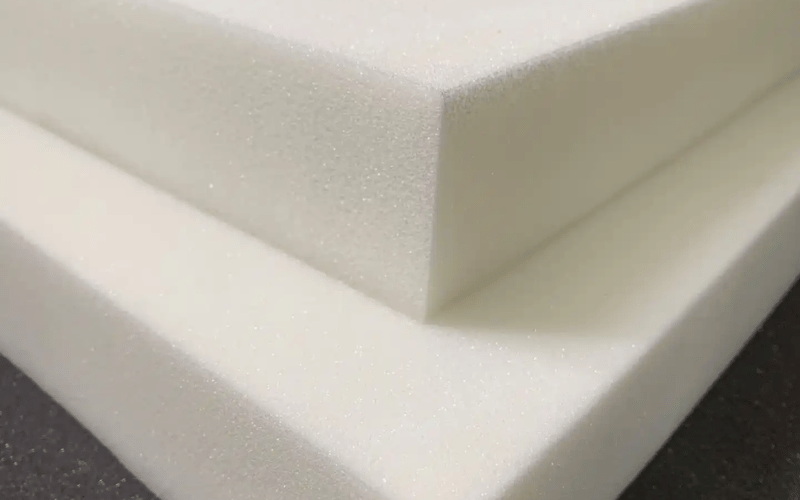
By weight, polyurethane foam offers an exceptional strength-to-weight ratio, allowing manufacturers to replace heavier metal or rubber components without sacrificing durability. This characteristic is particularly vital in the modern automotive landscape, where “lightweighting” is a primary strategy for improving fuel efficiency in internal combustion engines and extending the range of battery-electric vehicles. Beyond weight savings, these foams provide superior thermal insulation and acoustic properties, sealing out road noise and maintaining cabin temperature. They are the hidden heroes of the automotive world, providing the touch points of comfort and the silence of luxury that drivers often take for granted.
How Are Automotive Polyurethane Foams Made?
The creation of automotive polyurethane foams begins with the precise chemical reaction of two primary liquids: a polyol and an isocyanate. A multi-step process begins by storing these chemicals in temperature-controlled tanks to maintain optimal viscosity. These components are then pumped at high pressure into a mixing head, where they collide at high velocities. This exothermic reaction causes the mixture to expand rapidly, creating a froth that eventually solidifies into a solid foam. Additives such as catalysts, surfactants, and blowing agents are added during mixing to control reaction rate and foam cell size.
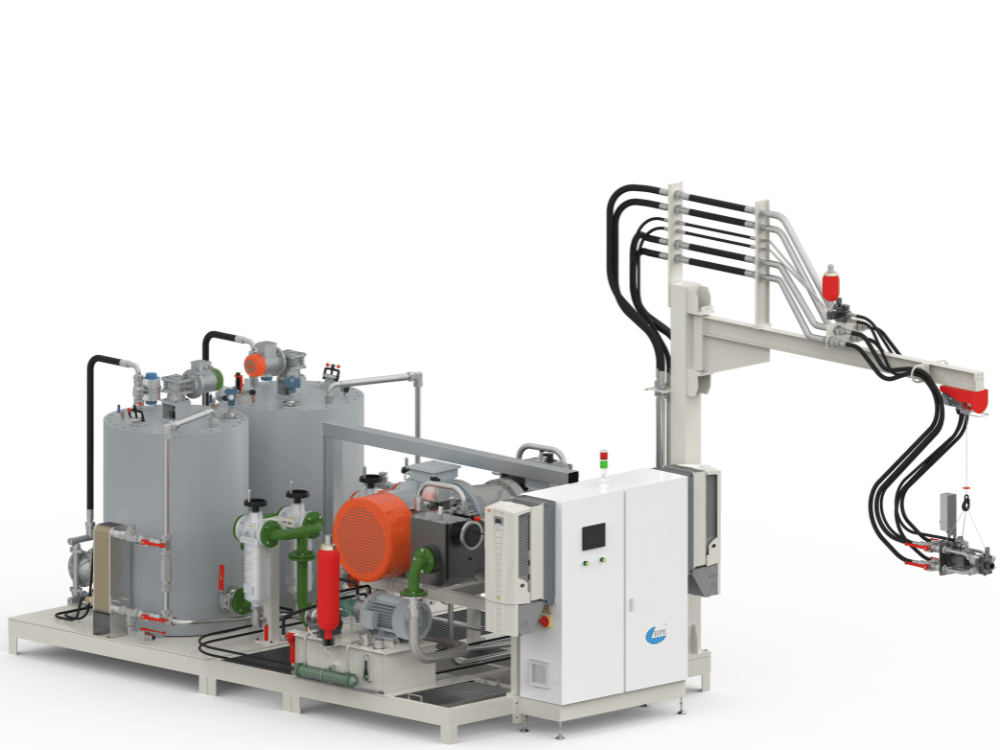
The resulting mixture is then dispensed into a mold (for items like car seats) or sprayed directly onto a substrate (for insulation). The quality of the final product depends heavily on the precision of the machinery used. High-pressure polyurethane foaming machines, such as those manufactured by Henghui, ensure precise chemical ratios and thorough mixing. This precision allows for the mass production of complex shapes with consistent density and firmness. Once cured, the foam parts are demolded, trimmed, and often integrated with other materials, such as fabrics or leather, to create finished automotive components ready for assembly.
How Are Automotive Polyurethane Foams Used?
The liquid foam mixture serves as a versatile building block, shaped in a mold to fit the specific contours of a vehicle’s design. The cured foam encapsulates the internal frames or structures and forms a supportive matrix in the product’s desired shape. The combination of the polymer matrix and the gas-filled cells creates a material that excels in multiple functions simultaneously. The hallmarks of automotive polyurethane foams are comfort, noise reduction, and thermal efficiency.
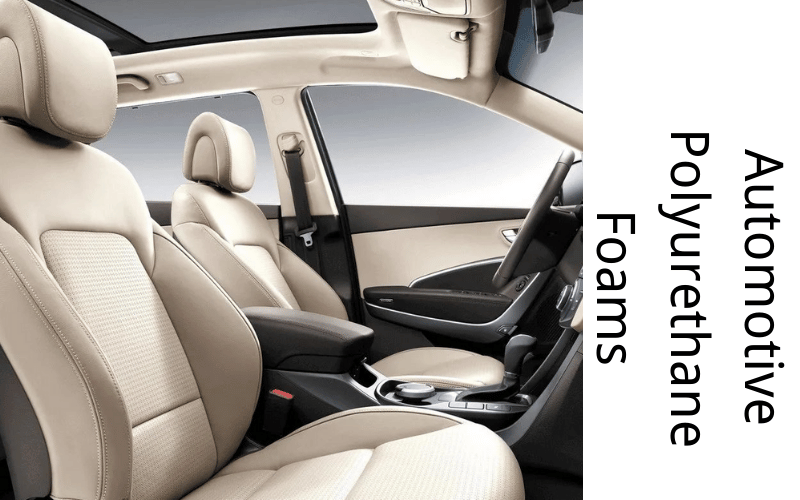
In seating applications, the liquid foam is poured into molds containing metal or plastic frames. As it expands, it bonds to the frame, creating a unibody structure that provides ergonomic support and vibration damping for the driver. For acoustic applications, specialized foam formulations are injected into the hollow cavities of the vehicle’s body—such as pillars and sills—to block noise transmission from the engine and tires.
Furthermore, rigid polyurethane foams are used in headliners and door panels to provide structural rigidity without adding significant weight. In the realm of climate control, the foam acts as an insulator for HVAC ductwork, ensuring that hot or cold air reaches passengers with minimal thermal loss. This multifunctional use allows automakers to streamline assembly processes while enhancing the vehicle’s overall quality and performance.
The Evolution of Automotive Polyurethane Foams
The history of polyurethane dates back to the late 1930s when Otto Bayer and his team discovered the chemistry behind the material. However, it wasn’t until the post-World War II era that polyurethane foams began to see practical application in the automotive sector.
The use of polyurethane foam as a cushioning material began in the 1950s, replacing traditional materials like horsehair, cotton wadding, and metal springs. Early adoption was driven by the material’s durability and its ability to mold complex shapes, enabling new, streamlined interior designs. The 1960s saw the first widespread commercial production of molded polyurethane car seats, revolutionizing passenger comfort. The material’s safety potential was soon recognized, and dashboard padding made from semi-rigid foam became standard to reduce injury in accidents.
In the 1970s and 80s, the oil crisis and subsequent fuel-economy regulations drove advances in lightweight materials. Automotive engineers began using rigid polyurethane foams for structural reinforcement and exterior parts, such as bumpers, to reduce overall vehicle mass. Because polyurethane offered better performance-to-cost ratios than other polymers, it became adapted to critical applications where comfort and efficiency were paramount.
By the 1990s, the focus shifted toward Noise, Vibration, and Harshness (NVH) reduction. Manufacturers found ways to vary foam density to better absorb sound frequencies, leading to quieter cabins. This led to broader applications, including under-hood insulation and carpet underlayment. Polyurethane foam became an automotive staple by the 2000s. The material was no longer just about seating; it was integral to the vehicle’s “feel.” Over the last two decades, advanced bio-based foams have been introduced to improve sustainability. The advent of electric vehicles is now driving the next evolution, with foams playing a key role in battery thermal management and ultra-lightweight construction.
Some Really Cool Applications of Automotive Polyurethane Foams
Today, innovative applications of automotive polyurethane foams are appearing regularly. While in the past, foam was primarily hidden inside seat cushions, you can now find specialized polyurethane formulations in a huge range of vehicle systems, such as:
Seating and Ergonomics
Polyurethane foams have been the mainstay of automotive seating for decades, but modern applications are pushing the limits. “Smart” seating systems now integrate sensors and heating/cooling channels directly into the foam. Multi-density molding processes allow a single seat cushion to have firm support bolsters and a soft center, providing race-car stability with luxury sedan comfort.
Electric Vehicle Thermal Management
Foam has been increasingly adopted in EV manufacturing to protect the most expensive component: the battery. Polyurethane foams are used to encapsulate battery cells, providing thermal insulation to maintain optimal operating temperatures in extreme weather. They also serve as a fire retardant barrier and protect the cells from road vibration, which is critical for safety and longevity.
Acoustic “Quiet Tuning”
Luxury automakers use “acoustic foam packages” to silence the cabin. These specialized foams are injected into body cavities during assembly to seal air leaks and dampen sheet metal vibration. This technology has trickled down from high-end limousines to production economy cars, making highway driving significantly quieter.
Crash Protection and Safety
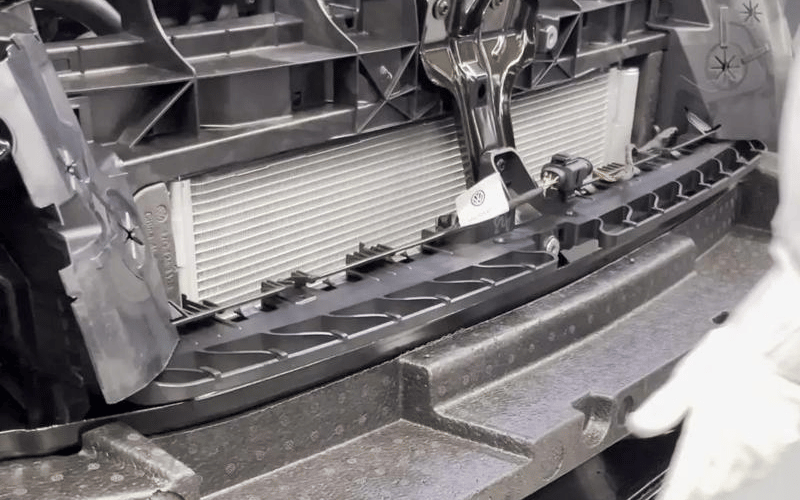
Energy-absorbing polyurethane foams are located inside bumpers and side doors. In the event of a collision, these foams compress and absorb the impact energy, protecting the occupants. This application is crucial for meeting stringent modern safety standards without adding heavy steel reinforcements.
Lightweight Structural Components
Reaction Injection Molding (RIM) enables the use of polyurethane for large, lightweight exterior body panels and spoilers. These components are tough, corrosion-resistant, and significantly lighter than metal counterparts, which directly improves fuel economy and handling.
The Future of Automotive Polyurethane Foams
The future of automotive polyurethane foam materials is bright, with advancements and new sustainable formulations routinely coming to market. As automotive manufacturing techniques advance, the use of polyurethane in electric and autonomous mobility will continue to increase. With that happening, the foam manufacturing industry needs skilled operators and advanced machinery to keep up with demand.
Are you interested in the expanding world of automotive manufacturing and foam production? The shift toward autonomous vehicles—which essentially turn cars into mobile living rooms—will require even more advanced, furniture-grade foam solutions. Advancements in chemical recycling and the development of plant-derived bio-polyols are paving the way for a greener manufacturing footprint.
Furthermore, the machinery used to produce these foams is becoming smarter. Modern high-pressure foaming machines now feature automated robotics and AI-driven quality control to ensure perfection in every pour. The need for precise, efficient production technology has never been greater. Whether it’s for producing the next generation of EV battery insulation or ultra-comfortable autonomous pod seating, polyurethane foam will remain at the heart of automotive innovation.