Few materials are as versatile and widely used as polyol urethanes. These materials are found in a variety of applications and are engineered to meet the needs of industries such as construction, automotive, and consumer goods. If you’ve ever sat on a comfortable foam cushion or used a modern appliance, you have experienced what polyol urethanes can do.
While the average person might not think twice about the components in their car or mattress, companies in manufacturing and other competitive markets rely heavily on these materials. Let’s explore what polyol urethanes are, how they’re used, and the different types of materials we see throughout various industries.
What Is a Polyol Urethane?
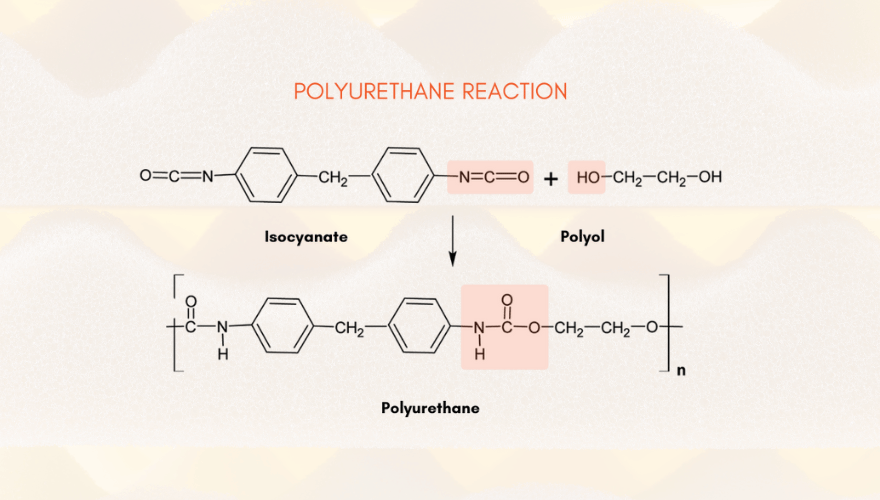
Polyol urethane is primarily defined by its chemical composition and structure, which can be tailored to meet specific needs. It is produced by a chemical reaction between polyols and isocyanates, which together form a highly versatile polymer with unique properties.
These materials can be manufactured in several different forms, including flexible foams, rigid structures, and durable elastomers. Because of their adaptability, they can be customized with extreme precision, allowing manufacturers to engineer specific levels of strength, flexibility, and thermal or acoustic insulation.
This adaptability, paired with durability and performance, makes polyol urethanes essential in modern manufacturing. The result is a component that not only provides structural integrity and comfort but can also be seamlessly integrated into complex products. All these factors combine to make polyol urethanes a vital material in modern manufacturing and a wide range of industrial applications.
What Are Key Performance Metrics for Polyol Urethanes?
When evaluating polyol urethanes for specific applications, several key performance metrics are critical to consider. Among the most important are density, thermal conductivity, and compression strength.
Density impacts the material’s strength, flexibility, and insulation properties, while thermal conductivity measures its effectiveness as an insulating barrier. Compression strength determines the material’s ability to withstand pressure without deforming. These metrics are relevant across a wide range of applications, from construction and automotive manufacturing to consumer goods such as furniture and appliances.
All three measurements are worth tracking because of their direct impact on the final product’s performance and longevity. A short-term test might show adequate performance, but how will the material perform over years of use or under stress? These extended durations are when the right material selection matters most.
To ensure peak product quality and durability, manufacturers must source polyol urethanes that not only meet initial performance targets but also maintain their structural and insulating properties over time. This guarantees both energy efficiency and a positive user experience long after the product is in use.
What Are the Different Types of Polyol Urethanes?
With many variations of polyol urethanes available, it helps to categorize them by structure and performance. Here are the main types of polyol urethanes, their typical properties, and their common applications.
Flexible Polyol Urethanes
Noted for their cushioning properties, flexible polyol urethanes are widely used in applications that require comfort and support. These materials are found in furniture, mattresses, and automotive seating.
Lightweight and adaptable, flexible foams provide excellent durability and resilience. Their ability to be produced in various densities allows for a tailored feel, from soft padding to firm support. These products, however, are not intended for structural or high-load-bearing applications that require rigidity.
At most, you might see flexible foams used as a component within a larger assembly for comfort or vibration dampening, but they do not serve as the primary structural element.
Rigid Polyol Urethanes
With a closed-cell structure as a standard base, rigid foams offer superior insulation and structural support compared to their flexible counterparts. This creates a more stable material with excellent thermal resistance.
This is how producers achieve a better balance of insulation against heat and cold while also providing moisture resistance and structural integrity, which cannot be accomplished by flexible foams alone.
For example, rigid polyurethane foam is an ideal material for building insulation, refrigeration units, and insulated coolers. It provides excellent thermal performance, maintaining stable temperatures and improving energy efficiency.
The advantage here is that rigid foams are still lightweight yet offer significant strength, allowing for use in structural panels and other building components. However, they lack the flexibility needed for cushioning applications.
Elastomeric Polyol Urethanes
Examples of elastomeric polyol urethanes include materials found in seals, gaskets, wheels, and industrial rollers. These materials offer outstanding durability and flexibility, combining the properties of rubber and plastic.
These urethanes offer strong resistance to abrasion, impact, and chemicals, as well as improved performance in demanding environments. What’s more, they can deliver a long service life even under constant stress.
Customization options are significant, allowing for a wide range of hardness levels (durometer), and they can be manufactured at scale, making them good intermediate options for industrial parts and consumer products.
Spray Polyol Urethanes
At the top of the insulation range are high-performing spray polyol urethanes, which are applied in liquid form and expand to create a seamless foam barrier.
The result is a highly effective insulating and air-sealing product, engineered to fill every crack and crevice for maximum energy efficiency. This material adheres to most surfaces, providing a durable, long-lasting solution for buildings and other structures.
What Are Examples of High-Performance Polyol Urethanes?
High-performance polyol urethanes are now more accessible, customizable, and effective for manufacturers in construction, automotive, and beyond. Here are some of the best-performing polyol urethanes available now, along with the properties they offer.
High-Density Rigid Foams
A leader in structural support and insulation, high-density rigid foam is used to create durable, load-bearing components. It is found in architectural panels, industrial housings, and high-performance coolers. Rigid foams work best when molded into a precise shape, often with a dense outer skin.
This structure provides exceptional strength and impact resistance while maintaining excellent thermal insulation. This makes it ideal for applications that require both structural integrity and energy efficiency, such as building envelopes or refrigerated transport.
High-Performance Elastomers
A modern upgrade to traditional rubber, high-performance elastomeric urethanes give you the best of both worlds: the flexibility of rubber and the durability of rigid plastics.
This combination is achieved by engineering the polymer structure to provide superior resistance to abrasion, chemicals, and tearing. This gives the material a rigid yet pliable quality, enhances wear resistance, and retains its shape under stress.
This type of high-performing material is popular for industrial rollers, shock absorbers, mining equipment, and high-stress seals and gaskets.
Specialty Flexible Foams
Specialty flexible foams, such as viscoelastic (memory foam) or high-resilience (HR) foams, are both rigid and comfortable. They are resistant to compression set, the foam’s tendency to return to its original shape after use, a factor that can negatively impact the look and feel of products over time.
Producers also have access to a wide variety of foam types tailored to their needs in terms of comfort, support, and durability for applications such as premium mattresses, automotive seating, and medical positioning pads.
Aliphatic Polyurethanes
Aliphatic polyurethanes excel at protecting surfaces from UV radiation, weathering, and chemical exposure, and are often used as high-performance coatings and sealants.
On their own, aliphatic polyurethanes provide a durable, color-stable finish that does not yellow over time, making them ideal for applications such as automotive clear coats, floor coatings, and protective films where appearance and longevity are critical.
Why Are Polyol Urethanes Popular in Various Industries?
Manufacturers aim to bring products to market with superior performance, durability, and cost-effectiveness, all while meeting specific design requirements.
Only the most versatile materials, like polyol urethanes, allow for all these factors to be balanced simultaneously. This versatility explains why companies in construction, automotive, and consumer goods seek out these high-performing materials from trusted partners.
The proper selection of polyol urethane can enhance product quality and customer satisfaction, making it a critical part of the production decision-making process.
Frequently Asked Questions
What are polyol urethanes, and how do they relate to polyurethane?
Polyol urethanes are polyurethane materials formed by the chemical reaction between polyols and isocyanates. In polyurethane chemistry, a polyol (such as polyester polyol or polyether polyols) provides hydroxyl groups that react with an isocyanate group from a diisocyanate or polymeric isocyanate to produce urethane linkages, forming a polymeric urethane (polyurethane). The resulting polymer can be tailored into flexible polyurethane foam, rigid polyurethane foam, elastomeric materials, coatings, or adhesives, depending on the polyols, isocyanates, catalysts, and additives used.
What types of polyols are used to produce polyurethanes?
Typical polyols used to produce polyurethanes include polyether-based polyols, polyester polyols (including aromatic polyester polyols), polycaprolactone polyols, and polycarbonate polyols. High-molecular-weight polyols produce elastomeric, flexible polyurethanes, while low-molecular-weight polyols are often used to increase crosslink density in rigid polyurethane foam and coatings. Choice of polyols for polyurethanes influences hydrolysis resistance, chemical resistance, mechanical properties, and the overall chemical structure of the polyurethane matrix.
How does the chemical reaction between polyol and isocyanate form polyurethane?
The formation of polyurethane is a step-growth polymerization where the hydroxyl group on the polyol reacts with the isocyanate group of a diisocyanate or polymeric isocyanate to form a urethane linkage. Catalysts often accelerate this reaction and control the balance between gelation and foaming during polyurethane foam production. The chemistry of polyurethanes allows formulation adjustments—such as varying catalyst, solvent, and polyol functionality—to produce flexible polyurethanes, rigid polyurethane foam, or polyurethane elastomers.
What are the main classes of polyurethane products produced from polyols?
Polyols are used to produce a wide range of polyurethane products: flexible polyurethane foam for seating and bedding, rigid polyurethane foam for insulation, polyurethane elastomers for wheels and gaskets, coatings and adhesives for surface protection, and specialty polyurethane materials for automotive applications. Polyester-based polyurethanes often offer good mechanical strength, while polyether-based polyurethanes provide better hydrolysis resistance and are suitable for humid environments.
Which isocyanates are commonly used with polyols in polyurethane production?
Commonly used isocyanates include aromatic diisocyanates such as toluene diisocyanate (TDI) and methylene diphenyl diisocyanate (MDI), as well as polymeric isocyanates and aliphatic diisocyanates for UV-stable applications. The combination of diisocyanates and polyols determines the polyurethane’s polymeric backbone and properties; for example, isocyanate and polyol choices affect hardness, elasticity, and chemical resistance. Safety handling considerations for isocyanates are also crucial in the production of polyurethane.
How do formulation variables like catalysts and solvents affect polyurethane foam production?
Catalysts control the rates of the isocyanate-polyol reaction and the blowing reactions that create foam cells, thereby affecting cell size and foam density in both flexible and rigid polyurethane foams. Solvents and surfactants influence processing and foam stability. Adjusting catalyst type and loading, selecting appropriate surfactants, and choosing polyols (polyether vs polyester) enable manufacturers to tailor foam properties such as resilience, comfort, thermal insulation, and chemical resistance.
What are the durability and chemical properties of polyol-based polyurethanes?
Polyurethanes exhibit a range of properties depending on formulation: flexible polyurethane foams show good cushioning and resilience, while polyurethane elastomers offer high abrasion resistance and elasticity. Polyester-based polyurethanes often display superior chemical resistance and mechanical strength but may be more susceptible to hydrolysis than polyether-based polyurethanes. Use of stabilizers, appropriate polyols (e.g., polycarbonate polyols), and careful selection of isocyanates improves long-term performance in automotive and industrial applications.
How are polyurethanes manufactured at an industrial scale (production of polyurethane)?
Industrial polyurethane production involves metering and mixing polyols, isocyanates, catalysts, surfactants, blowing agents, and additives in controlled ratios, followed by molding, foaming, or coating operations. The preparation of polyurethanes may use prepolymer routes—where a polyol reacts partially with isocyanate to form an isocyanate-terminated prepolymer—or one-shot processes that mix all components simultaneously. Process control ensures consistent polyurethane properties for applications from insulation panels to automotive components.
What environmental and safety considerations relate to polyols and isocyanates?
Production of polyurethane involves handling isocyanates, which pose respiratory sensitization hazards and require strict occupational safety measures. Selection of polyols and blowing agents affects environmental impact; for instance, water-blown foams reduce solvent use, and choosing low global-warming-potential blowing agents is essential. End-of-life considerations include recyclability and potential hydrolysis or degradation pathways; polyester-based polyurethanes may hydrolyze under harsh conditions, while formulations with improved chemical resistance and durable polyurethane matrices are preferred for long service life.
The Bottom Line
There’s a specialized polyol urethane for any application you can imagine, from creating comfortable furniture to insulating entire buildings. These materials can be customized to your exact specifications, boosting product quality to help keep your customers happy.
Choose the right polyol urethane and utilize the perfect material for products that perform exceptionally and stand the test of time.