
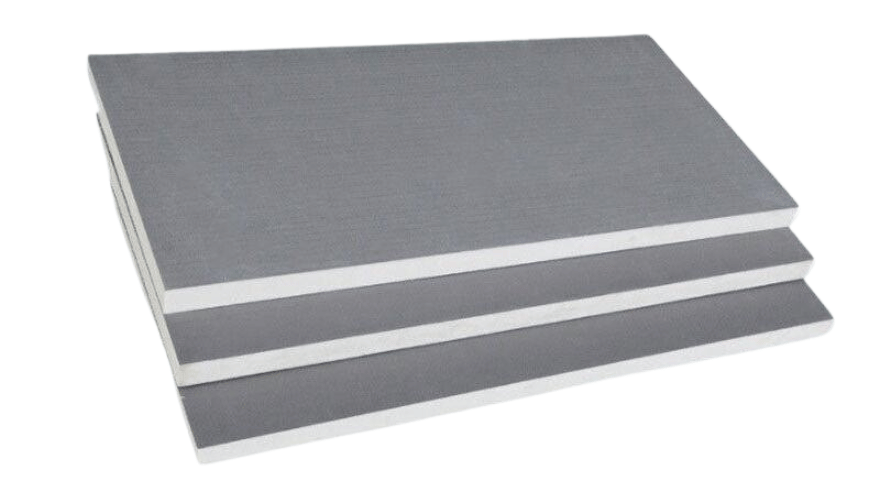
Few construction materials are as versatile and efficient as polyurethane (PU) panels.
These panels are used in a wide range of applications and are engineered to meet the needs of industries such as construction, refrigeration, and transportation. If you’ve ever seen an insulated wall or a refrigerated truck, you’ve witnessed the benefits of PU panels firsthand.
While the average person might not consider the science behind PU panels, industries rely heavily on their unique properties and performance.
Let’s explore what polyurethane panels are, how they’re used, and the different types of panels utilized across industries like construction, refrigeration, and more.
What Is a Polyurethane Panel?
Since their applications are so diverse, polyurethane panels are mainly defined by their material composition and structure. These panels are made by combining rigid polyurethane foam with outer layers of materials like metal, plastic, or composite sheets. This construction produces a lightweight yet durable product that offers excellent thermal insulation and structural support.
The panels can be customized to meet specific requirements, such as fire resistance, moisture protection, and soundproofing. Because the core foam can be precisely formulated and the outer layers varied, manufacturers can create tailored solutions for different projects. This adaptability allows the panels to be used in walls, roofs, and cold storage facilities with high efficiency.
The combination of strength, insulation, and customization makes polyurethane panels a key component in modern construction and industrial applications. They provide a high-performance building material that helps improve energy efficiency and offers design flexibility. All these factors combine to make PU panels a vital component in creating sustainable, resilient buildings.
What Are Thermal Conductivity and Compressive Strength?
When evaluating polyurethane (PU) panels, thermal conductivity and compressive strength are two critical metrics to consider. Thermal conductivity measures a panel’s resistance to heat transfer, a key factor in insulation for buildings and refrigeration units. Compressive strength, on the other hand, refers to the panel’s capacity to bear loads without deforming, which is crucial for structural applications.
Both measurements are vital for ensuring performance across various industries, from construction and cold storage to manufacturing and transportation. A low thermal conductivity indicates better insulation, resulting in greater energy efficiency. High compressive strength ensures the panel can withstand physical stress, contributing to the durability and safety of the final structure.
To achieve optimal results, manufacturers and builders must select PU panels that balance these properties. The right combination ensures the panel not only provides superior thermal performance but also maintains its structural integrity over time, even in demanding environments. This makes a careful review of these metrics essential for any project’s success.
What Are the Different Types of Polyurethane Panels?
With many variations of polyurethane (PU) panels available, it helps to categorize them by structure and performance. Here are the main types of PU panels, their features, and their typical applications.
Single-Layer PU Panels
These basic panels consist of a single layer of rigid polyurethane foam. While they offer some insulation, they provide minimal structural support compared to more complex types. They are best suited for temporary structures or applications where only light insulation is needed, and structural integrity is not a primary concern.
Double-Layer PU Panels
This type features a core of polyurethane foam bonded between two outer layers, often made of metal or plastic. This “sandwich” construction adds significant strength, rigidity, and improved insulation. Double-layer panels are widely used for walls, roofs, and floors in residential, commercial, and industrial buildings, offering a balance of performance and cost-effectiveness.
High-Performance PU Panels
Engineered with multiple layers and advanced additives, high-performance panels offer superior insulation, durability, and load-bearing capacity. These panels are designed for demanding environments where precise temperature control is critical. They are the ideal choice for cold storage facilities, refrigerated transport vehicles, and specialized industrial applications.
Fire-Resistant PU Panels
These panels are specially treated with fire-retardant materials integrated into the polyurethane foam core. They are designed to meet strict building codes and safety standards, helping slow the spread of flames and reduce smoke production in the event of a fire. Their use is crucial in commercial buildings, public spaces, and any structure where fire safety is a top priority.
Acoustic PU Panels
Acoustic panels are engineered to absorb and block sound waves, effectively reducing noise transmission between spaces. Their design often includes perforated surfaces and specialized foam densities to maximize sound dampening. These panels are ideal for soundproofing recording studios, theaters, offices, and residential buildings in noisy areas.
Why Are Polyurethane Panels Popular in Various Industries?
Professionals across industries aim to complete projects quickly, efficiently, and with long-term stability. Polyurethane (PU) panels help them achieve all these goals, which explains why they are a preferred material for so many applications.
Only the best building materials allow for the simultaneous balancing of performance, cost-effectiveness, and versatility. PU panels deliver on all fronts, providing superior insulation, structural support, and energy efficiency.
The right panel selection can lead to significant energy savings, enhanced durability, and improved safety. This makes PU panels a critical component in the design and construction of modern buildings, refrigeration units, and vehicles.
Frequently Asked Questions
What is a polyurethane panel, and how does it differ from other wall panels?
A polyurethane panel is a composite building material. It typically consists of a rigid PU foam core bonded to skins or veneer. This design offers excellent thermal insulation and a lightweight, durable profile. Unlike traditional stone panels or natural stone veneer, polyurethane panels mimic textures like stacked stone or faux stone. They offer better insulation, lower weight, and easier installation than masonry or heavy cladding.
Are polyurethane wall panels waterproof and moisture-resistant for external cladding?
High-density polyurethane wall panels can be made with closed-cell PU foam and weather-resistant skins. This makes them waterproof and moisture-resistant. When sealed at joints and installed correctly, they work well for external wall systems and cladding. They reduce the risk of water ingress compared to porous materials.
How does foam insulation in sandwich panels improve energy efficiency?
Rigid PU foam cores in sandwich panels deliver high R-values and excellent thermal resistance. This makes them effective for energy efficiency and radiant barrier performance. The foam core minimizes thermal bridging. Combined with tight installation, it lowers heating and cooling loads for cold storage, residential, or commercial use.
Can faux stone wall panels or PU stone veneer create a rustic accent wall inside my home?
Yes, faux stone wall panels and PU stone veneer are great for rustic or stacked stone accent walls. They are lightweight, cost-effective, and easy to install, often suitable for DIY projects. These decorative panels can be attached to existing walls or stud framing, offering a natural stone look with less labor and expense.
Are polyurethane wall panels fireproof or combustible? What about fire resistance?
Fire performance varies by panel type. Standard PU foam can be combustible, but fire-resistant formulations are available. These meet building codes for fire resistance. Always check the panel’s fire classification and compliance for specific applications. Additional measures, like fire barriers, may be required for structural or external use.
How do polyurethane foam panels perform for sound insulation and acoustic applications?
PU foam panels absorb and dampen airborne noise, providing sound insulation. Performance depends on panel thickness, density, and profile. High-density polyurethane and textured decorative panels can improve sound insulation for partitions, theaters, or offices. For critical acoustic needs, they are often paired with other materials.
What are common installation considerations and DIY tips for polyurethane wall panels?
Installing polyurethane panels is straightforward. Ensure a clean, level substrate. Plan panel profiles and joints carefully. Use recommended adhesives or fasteners and seal joints to maintain waterproofing and thermal continuity. Follow manufacturer instructions for cladding, ceilings, or wall systems to ensure durability and performance.
Where are polyurethane panels typically applied, and what are their main uses?
Polyurethane panels are used in cladding, ceilings, wall paneling, cold storage, and SIPs. They are also popular for decorative accent walls, wainscoting, and lightweight facades. Their versatility and insulation properties make them ideal for energy-efficient systems, composite assemblies, and both structural and non-structural applications.
The Bottom Line
There’s a specialized polyurethane panel for any application you can imagine, from insulating residential homes to building large-scale industrial facilities. These panels can be customized to your exact specifications, enhancing project quality and ensuring long-term performance.
Polyurethane panels are a cornerstone of modern construction, offering tailored solutions for insulation, durability, and energy efficiency. Choosing the right type of PU panel ensures optimal performance and safety for any project.