
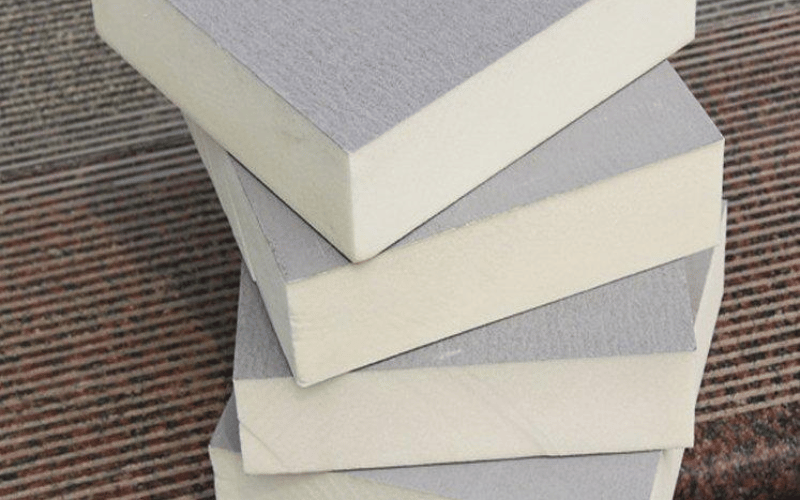
Whether you are insulating a commercial building or crafting a detailed cosplay prop, the material you choose makes all the difference. Enter the rigid polyurethane foam sheet—a powerhouse in the world of construction and design. Often referred to as solid PU foam, this material offers an unmatched combination of structural strength and thermal performance. It isn’t just for heavy industry; its unique PU foam properties, such as durability and thermal efficiency, make it a favorite among DIY enthusiasts, too. As concerns grow about energy efficiency, moisture control, and project longevity, more professionals and hobbyists are discovering the advantages of PU foam. Ready to see what this versatile material can do for you? Let’s dive into the properties, applications, and types that make rigid PU foam indispensable.
What is Rigid Polyurethane Foam?
Rigid polyurethane foam is a type of thermosetting plastic known for its closed-cell structure. Unlike soft, squishy foams used in cushions, a rigid foam board is hard, dense, and structurally stable. It is created through a chemical reaction between diisocyanates and polyols, which expands to form a solid cellular matrix that traps gas. This structure is the secret behind its lightweight nature and exceptional insulation capabilities.
The manufacturing process enables remarkable customization, allowing producers to tailor density, cell size, and specific additives to achieve different characteristics. For example, certain rigid PU foam boards are designed with flame retardants for building safety standards, or with reinforced skins for use as sandwich panels. This level of adaptability is a significant reason why polyurethane foam sheets are engineered to resist moisture, chemicals, and extreme temperatures, making them far superior to many traditional materials.
Common uses for rigid PU foam sheets include:
- High-performance insulation panels for walls and roofs in residential and commercial projects.
- Structural cores for fiberglass and composite parts in the aerospace and marine industries.
- Architectural models, movie sets, and theatrical props require dimensional stability and light weight.
- Industrial tank, pipe, and vessel insulation to maintain temperatures and avoid condensation.
- Protective packaging for sensitive electronic components and heavy-duty goods.
- Refrigerated transport containers in food logistics and pharmaceuticals.
Its versatility and reliability have earned it a place across nearly every industry that values energy efficiency, mechanical strength, and longevity.
Key Properties of Rigid PU Foam
To truly understand the appeal of rigid PU foam, it’s essential to examine the specific PU foam properties that set it apart from competing materials.
- Thermal Efficiency: Rigid PU foam boasts one of the highest R-values per inch among commercially available insulation materials. This means it is exceptionally effective at slowing heat transfer, keeping buildings warmer in winter and cooler in summer, and playing a key role in meeting modern energy codes.
- Durability: Over decades, rigid PU foam has earned a reputation for reliability and longevity. Whether exposed to heat and cold cycles, humidity, or mechanical stress, properly installed PU foam boards do not rot, rust, or succumb to mold.
- Lightweight: One of the lightest rigid insulation options available, making it easy to handle, cut, shape, and install—even in large-format sheets. This characteristic helps cut down installation time and labor costs.
- Moisture Resistance: The foam’s closed-cell structure is virtually impermeable, preventing water ingress and the associated risks of mold, mildew, and rot. This makes it a prime choice for humid climates and below-grade applications.
- Dimensional Stability: Rigid PU foam resists warping, shrinking, and swelling even under temperature or humidity fluctuations, ensuring a tight building envelope and consistent performance.
- Chemical Resistance: It resists a range of common chemicals, oils, and solvents encountered in industrial and commercial settings.
How Rigid PU Foam Stacks Up:
| Property | Rigid PU Foam | Fiberglass | EPS (Styrofoam) | Mineral Wool | Wood Sheathing |
|---|---|---|---|---|---|
| R-Value (per inch) | High (R 6.0 – 7.0) | Medium (R 3.0 – 4.0) | Medium (R 3.6 – 4.2) | ~3.7 – 4.3 | ~1.25 |
| Moisture Resistance | Excellent (Closed-cell) | Poor | Moderate | Good | Poor |
| Compressive Strength | High | Low | Low to Moderate | Moderate | High |
| Air Sealing | Excellent | Poor | Good | Moderate | Poor |
| Weight | Very Light | Moderate | Light | Heavy | Heavy |
| Fire Resistance | Good (modification) | Excellent | Moderate | Excellent | Poor |
| Longevity | 30+ years | 10-15 years | 10-20 years | 20+ years | Varies |
Applications of Rigid Polyurethane Foam
The versatility of rigid foam applications is vast, spanning from essential infrastructure to creative arts. Its characteristics uniquely position it for conventional and innovative uses. Let’s take a deeper look:
Construction
Rigid PU foam is considered the “gold standard” for building energy efficiency. Some typical uses include:
- Insulation Panels: Used in exterior walls, attics, and foundations. PU foam can achieve high insulating performance in thinner sections than other materials, a key advantage in both new construction and retrofits.
- Roofing Systems: Frequently applied as continuous insulation in commercial flat roofs. Spray or board foam acts as both an air barrier and thermal break, helping prevent costly leaks and condensation.
- EIFS (Exterior Insulation and Finish Systems): Forms the core insulation layer, enabling creative building facades while ensuring a continuous thermal envelope.
- Foundation and Perimeter Insulation: Resists moisture intrusion, helps prevent frost heave, and improves comfort in basements and slabs.
Industrial
In industry, solid PU foam is prized for its combination of mechanical strength and thermal performance:
- Cold Chain Packaging: Custom-molded foam keeps temperature-sensitive products safe during shipping.
- Automotive Manufacturing: Used in composite sandwich structures for lightweight yet rigid parts—from panels to load floors—improving fuel efficiency.
- Process Equipment: Tank, pipe, and vessel insulation in oil, gas, and chemical facilities, protecting against energy loss and extreme temperature fluctuations.
- Refrigeration: Core material in commercial walk-in coolers, refrigerated trucks, and freezers.
Creative Uses
Artisans and makers embrace the unique properties of rigid PU foam:
- Props & Cosplay: The foam’s easy-to-carve nature, paint compatibility, and lightweight make it the preferred material for theatrical, film, and convention accessories—such as large weapons, intricate armor, or oversized set pieces.
- Model Making: Architects, engineers, and hobbyists use PU foam for rapid prototyping, architectural mockups, and teaching aids.
- Custom Signage and Art Installations: Lightweight, weather-resistant, and easily shaped into letters, logos, or artistic elements for both indoor and outdoor use.
Real-World Example: The aerospace industry often employs rigid PU foam as core material in sandwich composite structures for aircraft floors or interior panels, where weight reduction directly translates to cost and energy savings.
Density and Its Importance in Foam Properties
When selecting a solid PU foam, density is the most critical factor to consider. Density refers to the mass of the foam per unit volume, usually measured in pounds per cubic foot (pcf) or kilograms per cubic meter (kg/m³).
Why Density Matters
- Insulation Performance: Lower-density foams (<2 pcf) create more air pockets, thereby maximizing R-value. Great for wall panels and within building envelopes.
- Structural Support: Higher-density foams (2-8+ pcf) offer resilience and impact resistance and can bear considerable loads—ideal for industrial modeling, tooling boards, and composite cores.
- Weight and Handling: Low-density is best when weight savings are a priority; high-density is chosen for strength and where the foam may need to hold screws or fasteners.
| Feature | Low-Density Rigid PU Foam | Medium-Density Rigid PU Foam | High-Density Rigid PU Foam |
|---|---|---|---|
| Typical Use | Insulation, floral, crafts | General-purpose panels, HVAC, mid-strength parts | Structural cores, tooling, and pattern making |
| Compressive Strength | Low | Moderate | High |
| Insulation Value | Very High | High | Moderate to High |
| Weight | Very Light | Light | Heavier |
| Cost | Lower | Medium | Higher |
| Fastener Holding | Poor | Moderate | Good |
| Machinability | Very Good | Good | Excellent |
Choosing the Right Density
For DIYers seeking lightweight crafts, low-density board is your ally, for professional applications such as CNC machining or architectural modeling, medium- or high-density options deliver superior results and surface finish.
Insulation Properties of Rigid Polyurethane Foam Sheets
The primary reason rigid foam thermal efficiency is so celebrated is its stellar insulation performance. Here’s how it stands out:
- Closed-Cell Structure: In rigid PU foam, each cell is sealed, trapping insulating gas that provides resistance to heat flow (low thermal conductivity).
- Minimal Thermal Bridging: When installed continuously (not in strips), sheets significantly reduce heat transfer across studs or joists—critical for modern energy codes.
- Moisture Barrier: Less than 2% water absorption even under prolonged exposure, so it maintains insulating power where other materials degrade.
- Air Tightness: Acts as both an air barrier and a vapor retarder, minimizing drafts and unplanned air leakage that leads to energy losses.
Compared to other common insulators:
| Insulation Material | R-Value per Inch | Moisture Absorption | Compressive Strength | Vapor Resistance | Weight |
|---|---|---|---|---|---|
| Rigid PU Foam | ~6.5 | Very Low | High | Excellent | Very Light |
| XPS | ~5.0 | Low | High | Good | Light |
| EPS | ~3.8 | Moderate | Moderate | Moderate | Light |
| Fiberglass Batt | ~3.2 | High | Low | Poor | Moderate |
| Mineral Wool | ~4.2 | Moderate | Moderate | Moderate | Heavy |
| Spray Foam (Closed-Cell) | ~6.0 | Very Low | High | Excellent | Varies |
Note: Rigid PU foam outperforms other foams in environments where both high humidity and thermal performance are critical, such as cool rooms, freezers, and wall assemblies in damp climates.
Applications of Insulation Panels Using PU Foam
PU foam insulation panels are engineered for specific environments where maintaining temperature is critical. Because they don’t degrade or settle over time, they are a long-term investment for any facility, promoting energy savings and lower maintenance costs. Here’s a closer look at field-specific benefits:
- Residential Homes: Used in SIPs (Structural Insulated Panels) for walls and roofs to create energy-efficient “passive” houses.
- Commercial Buildings: Curtain wall assemblies, office towers, sports arenas, and schools benefit from thinner wall profiles with higher performance.
- Cold Storage Facilities: Essential for walk-in freezers and refrigerated warehouses where rigid foam for cold storage ensures consistent low temperatures and prevents energy waste.
- Refrigerated Trucks/Containers: Thin walls and lightweight materials maximize cargo space and load efficiency for long-haul perishables.
- HVAC Ductwork: Insulated foam ducting prevents thermal losses in air distribution systems.
- Industrial Equipment Insulation: Used to wrap tanks, pipes, and vessels for temperature-sensitive manufacturing.
Benefits at a Glance:
- Reduces HVAC costs.
- Meets or exceeds building code requirements.
- Ensures long-term, stable performance in harsh conditions.
Modeling with Rigid Polyurethane Foam
Beyond construction and industrial settings, PU foam for cosplay and model-making has exploded in popularity because of its adaptability. Here’s how makers, crafters, and designers leverage its advantages:
Cosplay and Props
Crafters choose rigid PU foam for:
- Lightweight, wearable costumes and accessories that replicate heavy metals or complex shapes.
- Easy shaping using standard hand tools, rotary cutters, or hot wires.
- Painting, detailing, and texturing techniques that give foam props a realistic, durable finish.
Case Study: Movie productions often use high-density foam boards as the base for swords, shields, and replicas—allowing actors to perform while keeping sets easily portable safely.
DIY Rigid Foam Projects
For home enthusiasts and professional remodelers:
- Custom faux ceiling beams and columns for a rustic or classic interior look without the weight of solid wood.
- Architectural moldings and trims, easily glued and finished, that withstand temperature changes better than plaster.
- Outdoor signage, yard art, or holiday decorations—resistant to rain, sun, and wind.
Casting and Reinforcement
- Foam as a “buck” for fiberglass layups and resin casting.
- Layering or laminating to create thicker, stronger substrates.
- Hard-coating techniques that turn detailed foam models into weatherproof outdoor displays.
Tips for Success:
- Always use sharp blades or heated tools to minimize mess.
- Prime the foam before finishing to prevent paint from soaking in or a chemical reaction.
- Wear a dust mask and eye protection when sanding or carving at high speed.
Types of Rigid Polyurethane Foam
Not all foam is created equal. Understanding the differences between types helps you choose the right rigid foam board for your needs—each type is suited to specific niches and performance requirements.
| Foam Type | Best Feature | Drawbacks | Recommended For |
|---|---|---|---|
| Closed-Cell Rigid | High R-Value, dense | More expensive | Building insulation, below-grade, and roofs |
| Open-Cell | Breathable, light | Lower insulation | Soundproofing, interior partitions |
| High-Density Board | Strength | Heavier, pricier | Machining, CNC, custom cores |
| Liquid Expandable | Fills cavities | Requires mixing skill | Gap filling, complex molds, and repair |
Spotlight: Closed-Cell vs. Open-Cell
- Closed-Cell: Each bubble is sealed, trapping gas inside—high compressive strength, outstanding insulator, minimal water absorption.
- Open-Cell: Cells are interconnected, allowing vapor transmission. Lighter weight, easier to compress, some acoustic value, but less structural and thermal performance.
High-Density Foam Boards
- Provide a machinable alternative to wood and plastics, used widely in the automotive, marine, aerospace, and display industries.
- Hold screws, retain sharp details, and survive high-stress environments.
Liquid Foam
- Typically comes as a two-part kit that expands in place to fill irregular shapes—perfect for boat repairs, theater props, or custom packaging.
Conclusion: Why Choose Rigid Polyurethane Foam?
Whether you are looking to lower your energy bills, strengthen a composite structure, or build an eye-catching prop, the benefits of rigid polyurethane foam are hard to ignore. Its unmatched PU foam insulation, combined with exceptional durability, design flexibility, and moisture resistance, makes it a superior choice over traditional materials. Long lifespan, customizable density, and adaptability across residential, industrial, and creative projects mean your investment pays off for decades.
Ready to leverage these advantages? Explore the wide range of rigid PU foam products available today and see how quality materials can transform results—whether you’re a builder, a hobbyist, or an industrial designer. Consult with professionals, review product datasheets, and select the right PU foam for your application. Discover the difference solid PU foam can make for your next project!
Frequently Asked Questions
What is rigid PU foam, and how does it differ from other polyurethane foams?
Rigid PU foam, short for rigid polyurethane foam, is a closed-cell thermal insulation material specifically designed for structural and insulating applications; unlike open-cell urethane or flexible foams, rigid PU foam offers higher compressive strength, superior thermal insulation, low water absorptio,n and a more uniform and consistent cell structure, making it ideal for roof insulation, foam board insulation and composite panels.
Can rigid PU foam be used for thermal insulation in roofs and buildings?
Yes — rigid polyurethane and polyisocyanurate panels are commonly used for roof insulation and wall systems because they deliver a high R-value per inch, consistent thermal performance, and long-term durability; different formulations, including polyisocyanurate, provide a broad range of thermal insulation and fire-retardant characteristics to meet building codes.
Is rigid PU foam suitable for marine and flotation applications?
Closed-cell polyurethane rigid foam is often used in marine applications and flotation because its cellular structure resists water uptake and provides buoyancy; high-density formulations and composite liners can be specified for marine decks, pontoons, and hull cores where durability and water resistance are critical.
How does density affect the performance of rigid PU foam?
Density polyurethane and high-density rigid PU foam influence compressive strength, durability, and insulation properties; higher-density foams offer better mechanical performance for tooling, molds, and structural cores, while lower-density variants are lightweight and well-suited for signage, modeling foam, and prototype work where less weight and easier machining are desired.
Can rigid PU foam be used for prototyping, tooling, and complex shapes?
Yes — rigid PU foams, especially those marketed as modeling foam or HDU alternatives, are versatile for prototypes, molds, and replicas because they can be machined, sanded, and shaped to create complex shapes with a better surface finish; some formulations like FlexFoam-It are specifically designed to dispense, expand, and cure consistently for detailed tooling and prototype liners.
How do closed-cell and open-cell rigid foams compare for indoor and signage applications?
Closed-cell foams are preferred for signage and indoor displays where water resistance, uniform and consistent physical properties, and higher compressive strength are needed; open-cell foams are softer and more absorbent, so for high-quality signage, HDU-like closed-cell polyurethane or cellular composite boards provide a superior, durable surface for sanding, painting, and finishing.
Are there fire-retardant or aerospace-grade rigid PU foam options?
Yes — unique chemical formulas and specific formulations yield fire-retardant rigid PU foams that meet stringent safety standards and aerospace requirements; these specialized foams offer consistent performance in all physical properties, excellent compressive strength, and a reliable closed-cell structure for demanding applications in aerospace, transportation, and industrial composites.
How resistant is rigid PU foam to water, defects, and long-term degradation?
Closed-cell polyurethane and polyisocyanurate foams are engineered for low water absorption, high durability, and low defect rates when produced under controlled conditions; proper selection of formulation, compatible liners, and composite skins further reduces the risk of water ingress, maintains uniform performance, and extends service life in roof and marine environments.
What considerations should I make when selecting rigid PU foam for my project?
Consider intended use (thermal insulation, flotation, prototype or mold), required compressive strength, density, fire retardancy, cell structure (closed-cell recommended for water resistance), compatibility with adhesives and liners, and whether you need a lightweight or high density solution; working with suppliers of polyurethane foam solutions can help match the correct formulation for indoor signage, roofing, marine or aerospace applications to achieve a durable, consistent and high-quality result.