
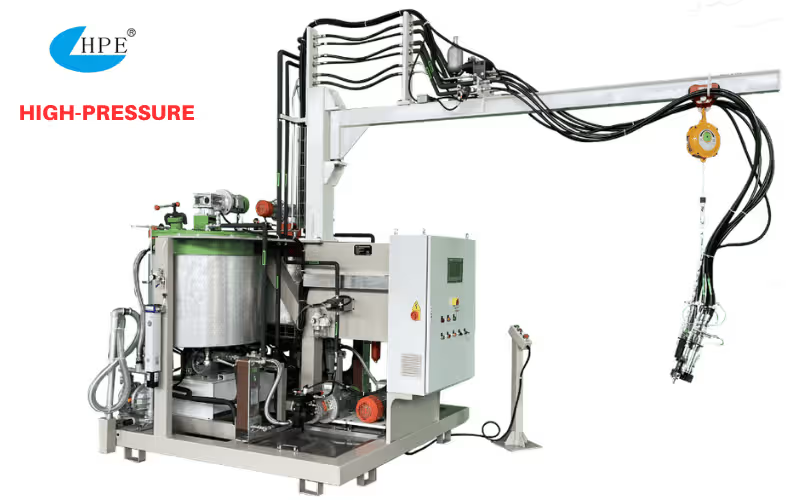
In this article, we will explore the main characteristics of a high-pressure polyurethane foaming machine, how it works, and in detail what happens during the foaming process. Let’s start with a clear definition: a high-pressure PU foaming machine is an industrial device used to produce polyurethane foam. This technology is the foundation of many manufacturing processes and plays a crucial role in creating the insulated and cushioned products we use every day.
High-pressure polyurethane foaming involves mixing specific chemical components to create a highly versatile material. The applications of this technology are surprisingly vast, ranging from construction and automotive manufacturing to appliance insulation. The versatility of these machines makes them an indispensable tool for producing everything from rigid insulation panels to soft car seats. In this guide, you will learn about the core components, step-by-step operation, and future trends of PU foaming technology.
What is a High-Pressure Polyurethane Foaming Machine?
A high-pressure polyurethane foaming machine is an advanced industrial system that mixes and dispenses liquid polyurethane components under high pressure to produce high-quality foam. Unlike low-pressure alternatives that rely on mechanical mixers, these high-pressure systems utilize the kinetic energy of the pressurized liquids themselves to achieve a perfectly homogeneous blend.
The machine consists of several key components that work together to ensure seamless production. First, the raw material tanks securely store the two primary liquid chemicals: polyol and isocyanate. Next, the high-pressure pumps draw these liquids from the tanks and deliver them to the rest of the system with extreme precision. The heart of the operation is the mixing head. Here, the components collide at high speeds, creating a uniform mixture without the need for moving mechanical parts. Finally, an integrated control system manages the entire process, allowing operators to set precise dosing settings, monitor temperatures, and regulate pressure.
Every component plays a vital role in the foaming process. The pumps guarantee accurate dosing, ensuring the chemical ratio remains perfect for optimal foam quality. The mixing head facilitates the high-pressure mixing, while the control system ensures controlled dispensing into molds or onto open surfaces. This remarkable setup highlights the incredible versatility of these machines. Manufacturers rely on them to produce a wide array of products, including rigid structural foams for insulation, flexible foams for comfortable seating, and specialized spray foams for rapid application.
How Does a High-Pressure Polyurethane Foaming Machine Work?
Now let’s look—in a clear and simple way—at the four essential steps in the high-pressure polyurethane foaming process:
Material Feeding:
The process begins with the careful storage and preparation of the raw materials. Polyol and isocyanate are stored in separate, temperature-controlled storage tanks to maintain their optimal viscosities. The system feeds these individual chemicals into the machine, ensuring a steady, reliable supply for the upcoming high-pressure phase.
High-Pressure Mixing:
Once the materials leave the tanks, the heavy-duty, high-pressure pumps take over. These pumps deliver the polyol and isocyanate to the mixing head at extreme pressures, often reaching up to 200 bar. Inside the mixing head, the two liquid streams collide with incredible force. This high-velocity impingement forces the chemicals to blend instantly and perfectly, ensuring a completely homogeneous mixture. Because this step relies entirely on pressure rather than mechanical mixing blades, it eliminates the need for chemical flushing solvents, making the operation much cleaner and highly efficient.
Dispensing:
Immediately after the collision inside the mixing head, the machine dispenses the blended polyurethane material. Depending on the specific manufacturing requirements, the system can inject this liquid mixture directly into a closed mold or spray it onto an open surface. The control unit strictly regulates the dispensing time, ensuring that the exact required volume of material is delivered every single time. This precise pouring mechanism prevents messy overflow, reduces material waste, and guarantees that each manufactured part meets strict dimensional specifications.
Foam Expansion and Curing:
As soon as the liquid mixture exits the mixing head, a rapid chemical reaction begins. The blended polyol and isocyanate react, causing the material to expand significantly and fill the entire mold cavity or cover the targeted surface area. Within minutes, the expanding foam solidifies and cures, forming the final polyurethane product. This rapid curing process locks the cellular structure in place, granting the final product its designated physical properties, whether that is rigid structural strength or soft, flexible cushioning.
Applications of High-Pressure Polyurethane Foaming Machines
The applications of high-pressure polyurethane foaming machines span across multiple major industries, providing essential materials for everyday products.
Construction Industry:
In the construction sector, these machines are vital for producing high-performance insulation panels, durable roofing materials, and energy-efficient wall cladding. The rigid PU foam provides excellent thermal resistance, helping modern buildings significantly reduce their heating and cooling costs.
Automotive Industry:
Automotive manufacturers rely heavily on PU foaming technology to enhance vehicle comfort and safety. The machines expertly produce flexible foam for car seats, soft-touch dashboards, and acoustic soundproofing materials that reduce engine noise inside the cabin.
Appliances and Refrigeration:
Appliance makers utilize rigid polyurethane foam to properly insulate refrigerators and freezers, ensuring optimal temperature retention and energy efficiency.
The Future of High-Pressure Polyurethane Foaming Machines
In the current manufacturing context, the overriding challenge is sustainability, a demanding and urgent issue that involves everyone working with industrial polymers. To tackle this challenge, the future of PU foaming technology focuses heavily on reducing environmental impact. Manufacturers are actively developing highly energy-efficient machines and introducing recyclable, bio-based polyurethane materials.
Additionally, rapid advancements in precision control and digital automation are vastly improving operational efficiency and reducing chemical waste. By embracing these cutting-edge innovations, high-pressure polyurethane foaming machines will continue to play a foundational role in sustainable manufacturing, demonstrating that industrial production and environmental responsibility can be combined.