
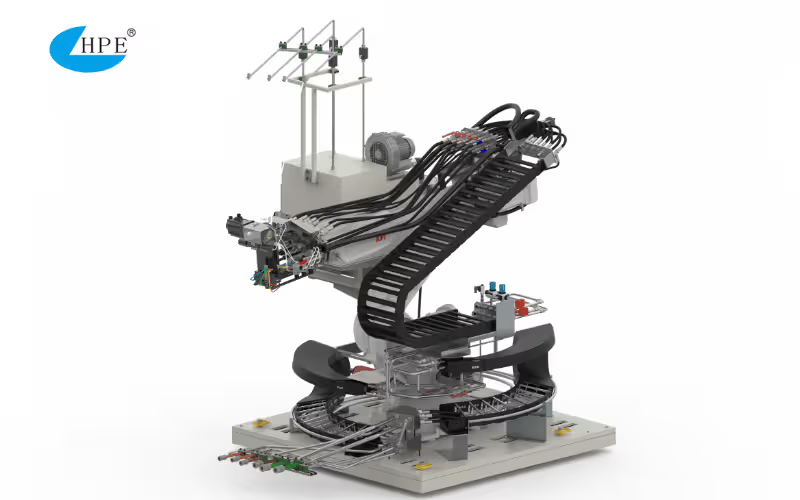
In this article, we will explore the main characteristics of this machine, how it works, and, in detail, what happens during the foam injection process. Let’s start with a clear definition: a polyurethane foam injection machine is an industrial device used to produce high-quality polyurethane foam. This technology forms the foundation of many manufacturing sectors and plays a crucial role in creating the insulated panels, car seats, and comfortable furniture we rely on every day.
Foam injection is a highly controlled process where liquid chemical components are mixed and dispensed into a mold or onto a surface to create an expanding foam product. The heart of the operation is the injection technology, which ensures precise blending and dispensing. In this comprehensive guide, you will learn the core components of these machines, the step-by-step injection process, and the diverse applications that leverage this remarkable technology to build better, more efficient products.
What is a Polyurethane Foam Injection Machine?
These injection machine models are fitted with specialized components that work in tandem to precisely mix and inject polyurethane chemicals. The main configurations depend on the specific foam requirements, but the core function remains the same: delivering a perfectly blended chemical mixture into a designated space.
- Raw material tanks: these highly regulated containers store the individual liquid chemicals, typically polyol and isocyanate, maintaining them at the optimal temperature and viscosity before processing;
- Precision pumps: industrial pumps carefully draw liquids from storage tanks and deliver them to the mixing chamber, ensuring precise dosing and accurate chemical ratios in every injection cycle.
- Mixing head: the heart of the machine, where the two chemicals are aggressively blended to create a homogeneous liquid before expanding into foam.
- Control system: a dedicated computerized control unit monitors the entire operation, regulating temperatures, managing pump speeds, and controlling the exact volume of material injected.
In general, the choice of a polyurethane foam injection machine depends on the specific requirements of the production process and the type of foam material being produced. This machinery offers incredible versatility. Manufacturers rely on these systems to produce rigid foams for building insulation, flexible foams for comfortable seating, and specialized spray foams for rapid surface coating. The precise combination of these components creates an ideal environment for the injection process, guaranteeing consistent quality across large-scale manufacturing operations.
How Does a Polyurethane Foam Injection Machine Work?
Now let’s look—in a clear and simple way—at the four essential steps in the process:
- Material feeding: the process begins with the raw materials. Liquid polyol and isocyanate are fed into the machine from dedicated, temperature-controlled storage tanks. These tanks prepare the chemicals, ensuring they flow smoothly and consistently toward the pumping system.
- Mixing and heating: the precision pumps take the materials into the dynamic mixing head. Here, the machine actively heats the liquids to the exact temperature required to trigger the proper chemical reaction. Once heated, the mixing head aggressively blends the polyol and isocyanate together. Accurate temperature control is vital for guaranteeing the quality of the end product. This rapid, highly controlled blending ensures a completely homogeneous mixture, which is absolutely critical for the foam to expand correctly and achieve the desired structural properties. The right combination of heat and mechanical or high-pressure mixing creates the perfect chemical environment for the subsequent phases of the operation.
- Injection: the machine continues to push the blended liquid through the system. This pressure allows the material to flow smoothly through a specialized nozzle, taking on the required shape. The mixed polyurethane is carefully injected directly into closed molds or poured onto open surfaces, depending on the specific manufacturing application. Accurate flow control is vital at this stage, ensuring that the exact amount of liquid is deposited. This precise injection mechanism prevents messy material overflow, reduces costly chemical waste, and ensures that each manufactured part meets strict dimensional specifications. This critical step ensures repeatability across production batches.
- Foam expansion and curing: once injected, the liquid chemicals undergo an immediate chemical reaction, causing the material to expand rapidly and fill the entire mold cavity or cover the targeted surface area. This process solidifies the material, fixing its permanent shape and cellular structure. The final result is a continuous or molded foam product with the desired physical integrity. Within minutes, the curing process is complete, yielding rigid insulation boards, soft, flexible cushions, or protective packaging inserts that can be demolded, trimmed, or used exactly as they are.
Applications of Polyurethane Foam Injection Machines
The applications of this technology are surprisingly vast. In many manufacturing industries, injection machines are used to produce a wide array of essential items.
- Construction industry: These machines are vital for producing highly efficient insulation panels, durable roofing materials, and energy-saving wall cladding. The precise injection capabilities ensure excellent thermal resistance for modern building infrastructure.
- Automotive industry: Automotive manufacturers rely heavily on this technology to enhance vehicle comfort and safety. The machines expertly inject flexible foam into molds for car seats, soft-touch dashboards, and acoustic soundproofing materials that reduce engine noise.
- Furniture industry: The furniture industry utilizes this technology to manufacture comfortable mattresses, supportive cushions, and high-quality upholstery.
The Future of Polyurethane Foam Injection Machines
In the current context, the overriding challenge is sustainability, a demanding and urgent issue that involves everyone who works in the polyurethane manufacturing sector. To tackle this challenge, it is key to focus our efforts on reducing the environmental impact, starting with limiting waste through energy-efficient machines and recyclable chemical materials.
Aware of this requirement, manufacturers are actively committed to developing advanced precision control and automation to improve operational efficiency. This progress reduces material waste and promotes green initiatives. Ultimately, the role of polyurethane foam injection machines in sustainable manufacturing demonstrates that it is possible to perfectly combine industrial production with environmental responsibility.