Polyurethane mixing equipment represents a cornerstone of modern industrial manufacturing. This highly specialized machinery accurately blends liquid polyol and isocyanate components to produce versatile polyurethane foam for a wide variety of commercial applications. By leveraging advanced pumps and precision mixing heads, these robust systems transform raw liquid chemicals into durable, high-performance materials. Manufacturers rely heavily on this technology to ensure chemical consistency, reduce material waste, and streamline their daily production cycles.
The importance of this equipment stretches across several major global sectors, playing an absolutely critical role in the construction, automotive, and furniture industries. Without these reliable mixing systems, creating energy-efficient insulation or comfortable vehicle seating would be incredibly difficult. In this comprehensive guide, we will explore the fundamental mechanics of polyurethane mixing equipment, detail the different types of machinery available, and highlight the operational benefits and diverse applications of this remarkable manufacturing technology.
What is Polyurethane Mixing Equipment?
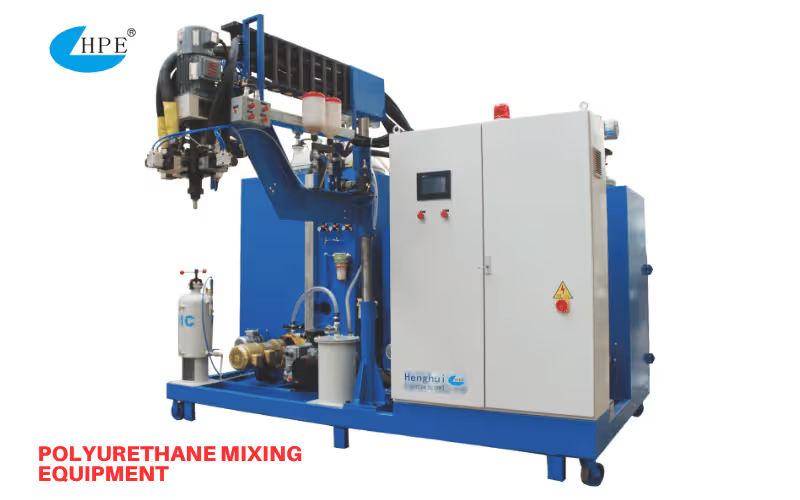
Polyurethane mixing equipment is a sophisticated industrial system specifically designed to precisely mix liquid polyol and isocyanate components, triggering a chemical reaction that produces durable polyurethane foam. This machinery acts as the central hub for foam manufacturing operations, ensuring that the reactive chemicals blend at the exact ratios and temperatures required for optimal material performance.
The entire system relies on several highly synchronized components. Heavy-duty raw material tanks securely store individual chemicals, using temperature-control jackets to maintain optimal liquid viscosity. From these tanks, highly accurate metering pumps draw the precise volume of material needed and deliver it through the system lines. The beating heart of the operation is the dynamic mixing head, where the two chemical streams finally collide and blend thoroughly.
An advanced computerized control system oversees the entire process, allowing operators to fine-tune injection pressures, monitor flow rates, and ensure highly consistent output every time. This precise level of control is what makes the equipment so valuable. Furthermore, the versatility of polyurethane mixing equipment is truly remarkable. By simply adjusting the chemical ratios or modifying the machine’s dispensing parameters, manufacturers can seamlessly pivot from producing tough, rigid foams for building insulation to crafting soft, flexible foams for comfortable seating, or even generating specialized spray foams for rapid on-site application. This incredible adaptability allows a single manufacturing facility to serve multiple commercial markets simultaneously, maximizing its operational efficiency.
Types of Polyurethane Mixing Equipment
High-Pressure Mixing Equipment
High-pressure mixing equipment represents the absolute pinnacle of high-volume commercial production. These robust machines utilize immensely powerful pumps to force the polyol and isocyanate into the mixing head at extremely high velocities. The chemicals collide with such intense kinetic energy that they blend perfectly without the need for moving mechanical parts inside the head. This high-pressure impingement process ensures incredibly precise mixing, making it highly efficient and absolutely ideal for large-scale manufacturing projects. Furthermore, because it relies on pressure rather than physical blades, the mixing head cleans itself automatically, eliminating the need for hazardous chemical flushing solvents.
Low-Pressure Mixing Equipment
In contrast, low-pressure mixing equipment uses a motorized, dynamic mechanical agitator within the mixing chamber to physically blend the liquid chemicals. This machinery operates at much lower pressures, making it highly cost-effective and perfectly suited for small-scale or highly customized production runs. Low-pressure systems offer spectacular flexibility, allowing operators to easily handle highly viscous materials and produce foams with vastly varying core densities and structural properties. They are the preferred choice for custom fabrication shops that frequently change their chemical formulations and require a versatile machine capable of handling intermittent pouring cycles for specialized, low-volume orders.
Specialized Mixing Equipment
Specialized mixing equipment is custom-engineered to handle highly specific polyurethane formulations that standard machines cannot process effectively. These unique systems easily accommodate fast-curing spray foams for commercial roofing or tough, heavy-duty cast elastomers used to manufacture durable industrial wheels and highly resilient mechanical rollers.
Benefits of Polyurethane Mixing Equipment
Superior Mixing and Consistency
One of the most massive advantages of utilizing professional polyurethane mixing equipment is its ability to deliver superior mixing and absolute chemical consistency. The precise, automated dosing mechanisms guarantee that the polyol and isocyanate always blend at the exact required ratio. This perfectly uniform mixing eliminates dangerous air voids and weak spots within the material, ensuring the resulting foam boasts exceptional quality and highly reliable structural performance. Whether producing a single part or thousands of identical units, this machinery guarantees that every single batch meets the most rigorous industrial standards without any unexpected physical variations.
Flexibility and Modularity
Modern polyurethane mixing systems offer completely unmatched flexibility and seamless modularity for growing manufacturing operations. Factory managers can quickly adjust the machine’s software to accommodate entirely different chemical formulations, moving from rigid insulation to flexible cushioning in a matter of hours. Furthermore, the modular design of the holding tanks and pumping units allows facilities to easily scale their production capabilities or add supplementary colorant injectors. This incredible adaptability helps businesses rapidly adjust to sudden shifts in commercial demand and easily explore entirely new product lines without purchasing completely new manufacturing setups.
Cost-Effectiveness
These advanced mixing systems are remarkably cost-effective because their precision dosing drastically reduces waste of expensive raw materials. Modern machines also feature excellent energy efficiency, significantly reducing daily operational power costs while maximizing overall production throughput to ensure strong commercial profitability for the manufacturing facility.
Applications of Polyurethane Mixing Equipment
Construction Industry
The global commercial construction industry relies heavily on advanced polyurethane mixing equipment to manufacture a wide range of essential building products. Facilities utilize these robust machines to continuously produce highly efficient rigid insulation panels, durable commercial roofing materials, and tough exterior wall cladding. Because precisely mixed polyurethane foam offers exceptional thermal resistance, these building components significantly reduce a structure’s heating and cooling costs. This ensures that modern infrastructure projects feature reliable, highly energy-efficient components that meet strict environmental building codes and require virtually zero routine maintenance over their extended operational lifespans.
Automotive Industry
In the fast-paced automotive industry, polyurethane mixing equipment plays a monumental role in producing comfortable and safe vehicle components. Automakers leverage these machines to manufacture soft, flexible foam for car seats, impact-absorbing dashboards, and dense acoustic soundproofing materials that reduce engine noise inside the passenger cabin, greatly enhancing the overall driving experience.
Furniture Industry
The commercial furniture industry relies extensively on this mixing technology to manufacture high-quality, long-lasting products. Manufacturers consistently use these machines to pour supportive foam for premium mattresses, comfortable sofa cushions, and durable office chair upholstery that easily retains its shape over years of heavy daily use, ensuring maximum customer satisfaction.
Conclusion
In summary, polyurethane mixing equipment is an essential cornerstone of modern industrial manufacturing. By offering spectacular chemical consistency, incredible production flexibility, and exceptional cost-effectiveness, these robust systems allow companies to efficiently produce everything from heavy-duty construction insulation to comfortable automotive seating. They play a critical role in advancing global manufacturing efficiency and driving continuous product innovation across dozens of major industries. As advanced automation, smart digital sensors, and highly eco-friendly chemical formulations continue to evolve rapidly, polyurethane mixing technology will undoubtedly lead the charge toward a much smarter, more productive manufacturing future.