
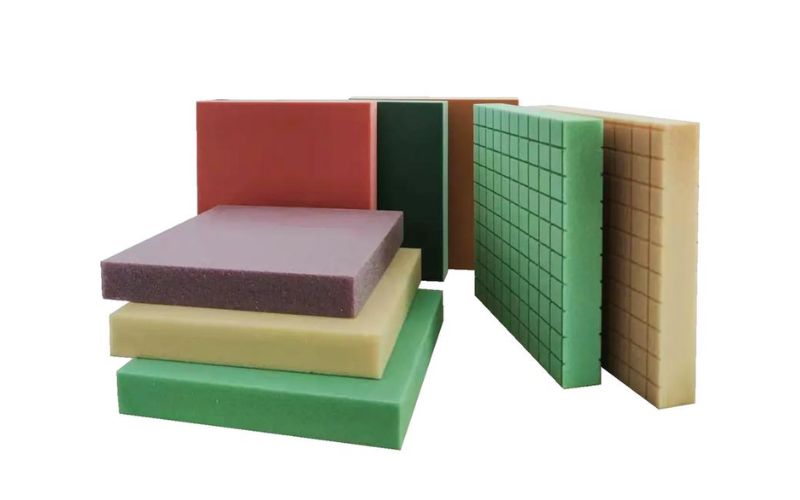
Structural foam is the unsung hero of modern engineering, driving significant advancements across various industrial sectors. This innovative material combines disparate elements to enhance strength, thermal resistance, and structural longevity. Utilized in a broad range of demanding applications from aerospace manufacturing to automotive design and heavy construction, structural foam consistently elevates performance and operational efficiency. The development of this robust material involves a wide variety of processing techniques and specialized matrix materials, catering to both isotropic and anisotropic structural properties. With physical properties that are often stronger and more resilient than conventional solid plastics or metals, structural foam integrates unique cellular cores within rigid outer skins. The expansive landscape of these cellular materials, from their cost-effectiveness and recyclability to emerging future trends, looks highly promising. Exploring how these revolutionary composite structures will shape our industrial future becomes increasingly compelling as we seek lighter, stronger, and more efficient manufacturing solutions.
What is Structural Foam?
Structural foam is an engineered cellular plastic material formed by combining a polymer matrix with a foaming agent, resulting in a product with a solid outer skin and a honeycomb-like inner core. This unique configuration allows the material to be several times stronger than individual solid plastics of the same weight, offering enhanced properties like exceptional durability, high impact resistance, and impressive tensile strength. The internal cellular structure, often analyzed using advanced techniques such as finite element analysis, significantly affects the material’s behavior and mechanical properties, making it highly advantageous in various structural applications.
These advanced foam structures can exhibit isotropic or anisotropic properties, heavily influenced by the specific orientation of constituent materials and the expansion direction of the cellular core during manufacturing. Manufacturers often incorporate continuous fibers, advanced reinforcing fillers, and other strengthening elements to achieve highly specific performance characteristics. By carefully controlling the density and the thickness of the outer skin, engineers can tailor the foam to meet precise load-bearing requirements without adding unnecessary mass.
The lightweight nature of structural foam provides a massive advantage over traditional solid materials. By replacing solid mass with carefully distributed air pockets, we achieve a high stiffness-to-weight ratio that traditional metals and solid polymers simply cannot match. This distinctive property reduces overall material costs and lowers shipping weights, all while maintaining the structural integrity required for heavy-duty industrial components. We see these advantages translating directly into better fuel economy for vehicles and easier handling for construction materials.
Furthermore, structural foam boasts excellent thermal and acoustic insulation properties, adding functional value beyond mere structural support. The trapped gas within the cellular core acts as a natural barrier to heat transfer and sound wave propagation. This dual functionality means that a single structural foam component can replace multiple parts in an assembly, streamlining production and reducing potential failure points. Consequently, structural foam stands out as a versatile, multifunctional solution for complex engineering challenges across modern industries.
What Materials Constitute Structural Foam?
Structural foam is primarily composed of robust matrix materials, typically high-performance polymers, that bind the entire cellular structure together while providing the primary shape and surface finish. Common thermoplastic polymers used in this process include high-density polyethylene, polypropylene, polycarbonate, and specialized engineered resins. These matrix materials form the continuous solid phase of the foam, dictating the baseline chemical resistance, thermal stability, and overall environmental durability of the finished industrial component.
To achieve the characteristic cellular core, chemical or physical foaming agents are essential components in the production process. Chemical foaming agents break down at elevated temperatures to release nitrogen or carbon dioxide gas, while physical agents involve injecting inert gases directly into the molten polymer. This carefully controlled gas expansion creates the internal microcellular structure that reduces weight while maintaining the thick, rigid outer skin. The precise selection and quantity of these foaming agents determine the final density and structural profile of the material.
Reinforcement materials play a crucial role in elevating the mechanical performance of structural foam to meet demanding industrial standards. Engineers frequently integrate various types of fibers, such as chopped glass fibers, carbon fibers, or aramid fibers, directly into the polymer matrix. These reinforcements dramatically enhance the tensile strength, flexural modulus, and dimensional stability of the foam. Fillers such as talc or calcium carbonate can also be added to increase stiffness and reduce shrinkage during the cooling phase.
Finally, specific additives and chemical modifiers are incorporated to contribute tailored properties and functionalities to the structural foam. UV stabilizers protect outdoor components from solar degradation, while flame retardants ensure compliance with strict industrial safety regulations. Colorants and surface modifiers can be blended into the matrix to achieve desired aesthetic finishes directly from the mold, eliminating the need for secondary painting. These combined constituents work in harmony to produce a highly versatile, commercial-grade material suited for diverse applications.
How is Structural Foam Produced?
Structural foam is produced by first selecting suitable polymer matrix materials and carefully blending them with the chosen foaming agents, reinforcement fibers, and necessary chemical additives. This precisely measured mixture is then fed into a specialized injection molding machine, where heat and shear forces melt the polymer into a homogeneous, viscous fluid. The preparation of these materials dictates the final structural properties, with factors such as fiber content, additive distribution, and gas volume playing critical roles in the part’s ultimate strength and density.
The actual molding technique involves injecting this gas-laden molten polymer into a closed mold cavity under low pressure. Unlike traditional high-pressure injection molding, the mold cavity is only partially filled with the polymer melt. The expanding gas from the foaming agent then drives the polymer to fill the remaining space within the mold. As the hot polymer contacts the cooler mold surfaces, it rapidly solidifies, forming a dense outer skin, while the interior continues to expand, producing the characteristic lightweight cellular core.
Throughout this production cycle, mathematical relationships between heat transfer, gas expansion forces, and polymer flow are carefully monitored and optimized. The alignment of any included reinforcement fibers occurs naturally as the expanding foam flows through the mold cavity, creating localized areas of anisotropic strength. Advanced computational fluid dynamics helps engineers design the mold to ensure uniform expansion and prevent structural weak points, ensuring the structural foam meets exact tolerance requirements.
Post-molding processes and cooling strategies further define the final characteristics of the structural foam part. Because the internal core acts as an insulator, structural foam parts typically require longer cooling times than solid plastic components. However, the low-pressure nature of the expansion process results in parts with very low internal stress, significantly reducing the risk of warping or dimensional distortion. This stable, low-stress production method enables the creation of massive, thick-walled parts that would be impossible to manufacture with traditional molding techniques.
Types of Structural Foam
There are several key types of structural foam utilized across modern industries, each presenting unique properties and specialized applications. These primary categories include polymer-based, metal-based, and advanced hybrid structural foams. Each of these distinct types represents a unique combination of matrix materials and cellular architectures, which results in specific mechanical, thermal, and weight-saving characteristics designed to solve complex engineering challenges.
Polymer-based structural foam represents the most common and widely utilized category in commercial manufacturing. Using materials such as polyurethane, polyethylene, or polycarbonate, these foams offer an exceptional balance of low weight, high impact resistance, and excellent chemical stability. You will frequently find polymer-based foams used in automotive interior panels, large agricultural equipment housings, and heavy-duty material handling pallets. The polymer matrix provides excellent shape retention while the cellular core delivers significant material cost savings and vibration damping.
Metal-based structural foam, typically crafted from aluminum or titanium alloys, pushes the boundaries of cellular material performance. By introducing gas bubbles into molten metal, manufacturers create a rigid, porous structure that retains the high-temperature resistance and electrical conductivity of traditional metals while shedding a substantial amount of weight. These specialized metallic foams excel in extreme environments, serving critical roles in aerospace impact absorption, advanced heat exchangers, and military blast-mitigation systems where standard polymers would quickly fail.
Hybrid structural foam merges the best attributes of different material classes to maximize specific performance metrics. These advanced composites might feature a polymer foam core sandwiched between rigid metal outer skins, or incorporate nano-scale ceramic particles within a traditional polyurethane matrix. By combining multiple material types within a single structural foam architecture, engineers can achieve unparalleled stiffness, extreme fire resistance, or highly targeted electromagnetic shielding.
The selection among these various types of structural foam depends entirely on the specific demands of the end-use application. While polymer foams enable cost-effective mass production of consumer and industrial goods, metal and hybrid foams provide the critical performance required for high-stakes aerospace and defense projects. Understanding the fundamental differences in these cellular materials allows engineers to specify the exact type of structural foam needed to optimize their product designs.
Applications of Structural Foam in Modern Industries
Structural foam is widely used in the aerospace, automotive, and heavy construction industries for its impressive strength, lightweight nature, and remarkable durability. In the aerospace sector, engineers leverage advanced structural foams to reduce the weight of interior cabin components, seating structures, and non-load-bearing bulkheads. By shaving critical pounds from an aircraft’s total mass, these materials directly improve fuel efficiency and increase payload capacity while still meeting strict safety and impact-resistance standards.
Within the automotive industry, structural foam has revolutionized how manufacturers approach vehicle design and crash safety. We see these materials actively utilized in bumper cores, door panels, and dashboard assemblies, where they provide excellent energy absorption during impacts. The acoustic damping properties of the cellular core also help to drastically reduce road noise, enhancing passenger comfort. Furthermore, the ability to mold large, complex shapes in a single process allows automakers to consolidate parts, reducing assembly time and lowering manufacturing costs.
The construction industry utilizes structural foam for its high elastic modulus and exceptional resistance to environmental degradation. Structural foam panels and molded components are widely used in insulated concrete forms, lightweight roofing systems, and durable underground utility enclosures. These materials resist rot, corrosion, and moisture infiltration, ensuring a long service life even in harsh outdoor environments. The high thermal resistance of the foam also plays a crucial role in improving the overall energy efficiency of modern commercial and residential buildings.
Beyond these primary sectors, structural foam applications are also widely used in medical devices, renewable energy infrastructure, and high-performance sports equipment. In the medical field, the material forms rigid, easily sterilized housings for large diagnostic machines such as MRI scanners and heavy-duty hospital beds. For renewable energy, structural foam provides the lightweight, stiff cores necessary for large wind turbine blades, enabling them to capture wind energy more efficiently without breaking under aerodynamic stress.
The sporting goods industry capitalizes on structural foam to create equipment that is both highly durable and easy to handle. Items such as composite kayaks, snowboards, and protective helmets rely on the material’s excellent impact resistance and buoyancy. The design flexibility of structural foam allows sporting goods manufacturers to ergonomically contour their products for maximum human comfort and athletic performance.
Ultimately, the diverse applications of structural foam underscore its indispensable role in modern manufacturing. Whether protecting sensitive medical electronics, supporting the weight of a commercial vehicle, or insulating a modern home, the advantages of being lightweight, durable, and highly customizable make structural foam a premier choice. As industries continue to demand higher performance with lower material usage, reliance on these advanced cellular structures will only grow.
Cost and Sustainability of Structural Foam
Structural foam can present varying cost profiles compared to traditional solid materials, largely depending on factors such as the chosen polymer matrix, fiber reinforcement, and the complexity of the mold design. While the initial tooling and equipment costs for structural foam injection molding can be relatively high due to the specialized low-pressure machinery required, these upfront expenses are rapidly offset by substantial long-term benefits. The ability to mold large, thick-walled parts in a single cycle eliminates the need for multi-part assemblies, thereby drastically reducing labor costs and the use of secondary fastening hardware.
From a raw material perspective, structural foam offers significant cost-effectiveness. By using a cellular core, manufacturers can use up to 30% less raw polymer to achieve the same volume and stiffness as a solid plastic part. This dramatic reduction in material usage directly translates to lower production costs and cheaper bulk shipping rates due to the lighter final product. When evaluating the total lifecycle cost, including manufacturing, transportation, and long-term durability, structural foam consistently proves to be a highly economical choice for large-scale industrial production.
Sustainability remains a critical focus, and structural foam contributes positively by offering high resource efficiency and lightweighting advantages. The reduction in vehicle weight achieved by replacing heavy metals with structural foam directly lowers greenhouse gas emissions and fossil fuel consumption over the lifespan of cars and aircraft. Additionally, the excellent thermal insulation provided by foam components in the construction sector significantly reduces the energy required to heat and cool buildings, contributing to broader environmental conservation goals.
However, the recycling of structural foam presents specific challenges that the industry is actively working to overcome. The complex combination of polymer matrices, foaming agents, and reinforcement fibers can make traditional mechanical separation and recycling difficult. Despite these challenges, innovations in chemical recycling and material recovery are improving the end-of-life prospects for these components. Many manufacturers now grind down old structural foam parts to serve as highly effective filler material for new, non-critical foam products, creating a closed-loop production cycle.
Comprehensive lifecycle assessments evaluate the total environmental impact of structural foam, from raw material extraction to final disposal. These assessments consistently show that the long-term energy savings and durability of structural foam often outweigh the initial carbon footprint of its production. By continuing to develop bio-based polymers and more efficient recycling protocols, the industry ensures that structural foam remains not just an economically viable material, but a genuinely sustainable solution for the future of manufacturing.
Future Trends and Innovations in Structural Foam
Emerging trends and technological advancements in structural foam production emphasize improving material sustainability, enhancing cellular control, and integrating intelligent functionalities. Advancements in microcellular foaming techniques allow engineers to create foams with extremely tiny, uniform bubbles, resulting in parts with an incredibly smooth surface finish that requires zero secondary painting. These refined production methods also yield higher impact strength and better dimensional stability, pushing structural foam into highly visible, premium consumer applications where aesthetics are just as important as mechanical performance.
The integration of nanotechnology represents a massive leap forward for structural foam capabilities. By incorporating nanosized carbon nanotubes or graphene into the polymer matrix, manufacturers can dramatically improve the foam’s electrical conductivity and thermal management without increasing its weight. This enables structural foam to serve as electromagnetic shielding for sensitive electric-vehicle battery casings and advanced aerospace electronics. These nano-enhanced foams blur the line between structural support and active electronic functionality.
Furthermore, the development of smart materials is heavily impacting the future of structural foam. Researchers are testing foams embedded with specialized sensor networks that can monitor internal stress, detect structural fatigue, and report potential failures long before a physical crack appears. This capability proves invaluable for critical infrastructure and aerospace applications where predictive maintenance saves lives and resources. As these smart foams become commercially viable, they will revolutionize how we monitor the health of large-scale industrial assemblies.
Looking ahead, the market growth for structural foam is poised to expand rapidly, driven by the global push for lightweighting and energy efficiency. We will see increased reliance on bio-based polymers derived from renewable agricultural resources to replace traditional petroleum-based plastics in the foaming process. As automation and additive manufacturing technologies merge with traditional foam production, the ability to create highly customized, sustainable, and intelligent structural foam components will firmly secure its place as a cornerstone material of modern industry.
Conclusión
Structural foam is a critical and transformative material that continues to drive innovation across modern industrial landscapes. By masterfully combining lightweight cellular cores with rigid outer skins, this engineered material delivers unprecedented strength, durability, and cost-efficiency. Its diverse applications—ranging from aerospace weight reduction to automotive safety and sustainable construction—demonstrate its remarkable versatility and capacity to solve complex engineering challenges. As we look toward the future, ongoing advancements in nanotechnology, microcellular production, and bio-based polymers will only enhance the performance and sustainability of these cellular structures. Ultimately, understanding and leveraging the unique properties of structural foam will remain essential for engineers and manufacturers striving to build stronger, lighter, and more efficient products for generations to come.