
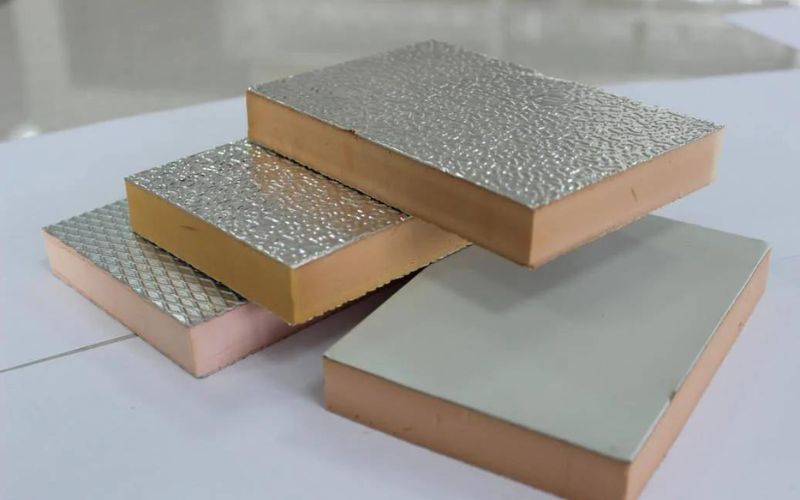
Industrial strength foam provides far more than just basic filling or insulation for industrial equipment and structural materials. Industrial-strength foam systems act as engineered barriers and structural enhancers that protect components from a wide range of damage and extreme environmental conditions. Concrete, plastics, and metal materials often exhibit strong characteristics on their own, but many of these base materials require a highly durable protective foam layer that adheres securely to the surface, insulates against extreme temperatures, and protects against intense physical impact.
Industrial-strength foam protects materials and structural components, including infrastructural piping, heavy machinery, commercial wall panels, and transport vehicles. These advanced foam systems can be applied by spray, injection, or pouring, with each application method requiring a carefully crafted chemical formulation. Your company’s application method of choice should closely complement your facility’s production capabilities and create manufacturing efficiencies rather than costly bottlenecks.
Furthermore, industrial-strength foam does much more than simply insulate parts. Different foam materials can effectively protect parts from heavy mechanical wear, physical impact damage, and extreme heat or fire. They provide essential structural support, add vital buoyancy for marine applications, and repel dirt, moisture, and chemical contaminants when formulated with a dense, closed-cell outer skin. Manufacturers who carefully select their industrial foam formulations and application methods will ultimately produce safer, more reliable products with significantly longer service lives.
Popular applications include:
- Building Materials: Architectural insulation panels, roofing systems, and engineered decking.
- Construction: Heavy equipment reinforcement, gap sealing, and infrastructure stabilization.
- Consumer Packaged Goods: Commercial packaging, protective casings, and insulated containers.
- Manufacturing: Industrial machinery dampening, automotive components, and marine buoyancy.
Considerations for the Industrial Strength Foam Process
Selecting the right industrial strength foam is just one part of a highly detailed, multi-step manufacturing process. As manufacturers finalize their industrial foam preferences for each of their specific products, you must understand how surrounding processes like proper surface preparation, the careful selection of application methods, and the calibration of equipment contribute heavily to a successful production line. Some of these critical processes include:
Substrate Surface Preparation
For industrial-strength foam to take hold and perform effectively, the substrate—the base material receiving the expanding protective layer—must remain completely clean and structurally sound. Many industrial foam systems rely on a strong mechanical or physical bond to adhere tightly to the substrate surface during the rapid expansion phase. Some advanced polyurethane foams chemically bond to the substrate surface, creating a nearly impenetrable, unified layer of structural protection.
If the application surface is not completely cleared of dust, loose rust, processing chemicals, and other microscopic contaminants, the industrial foam will likely fail prematurely or peel away under stress. Trained industrial foam technicians know exactly how to effectively remove lingering moisture, industrial salts, and dry contaminants by using the appropriate chemical cleaners, controlled heating processes, and abrasive blasting procedures. Properly cleaning these surfaces prior to foam application prevents severe structural damage, including catastrophic adhesion failure, internal blistering, large unwanted air pockets, and uneven cellular expansion. A meticulously prepared substrate guarantees that the foam maximizes its intended structural and thermal performance parameters.
Selecting the Right Foam System for Your Application
Every industrial foam process should begin by matching the precise chemical formulation to the specific physical demands of the final product. There are several foam processes, each designed to fully coat, fill, or reinforce the substrate with specific protective materials. However, everything from the substrate’s total size to its geometric complexity strongly influences which foam application method is the right fit.
The most common industrial foam application processes include spray foam, rigid injection molding, and continuous pour techniques. Spray coating uses a pressurized, multi-component gun to apply a highly reactive mixture that instantly expands upon contact with the substrate, making it ideal for large, flat surfaces such as walls and commercial roofs. Injection methods force liquid foam precursors into closed cavities or complex molds, allowing the foam to expand and fill every nook and cranny, providing structural reinforcement. Pouring methods are commonly used to create continuous insulation panels or to fill large voids in marine equipment. Understanding your application needs—whether you require superior thermal insulation, high-density structural support, or acoustic damping—determines which system you must deploy.
Curing and Drying
Improper curing and drying procedures can easily cause even the highest-quality industrial-strength foams to severely underperform. Every industrial foam system should include a detailed Product Data Sheet specifying the exact curing temperatures, atmospheric conditions, and cure-through procedures required to achieve optimal structural results. The chemical reaction that generates the foam is highly exothermic, meaning it produces its own heat, but the ambient environment still plays a massive role in how evenly the cellular matrix forms.
Industrial foams need to be cured at the correct temperature for the appropriate duration to prevent dimensional instability. The temperature specifications apply primarily to the substrate’s actual temperature rather than the facility’s ambient temperature, which is precisely why parts with varying thicknesses and materials often require different processing times. If a foam cures too quickly due to excessive heat, it can scorch internally or become overly brittle. Conversely, if the environment remains too cold, the foam may fail to expand fully, leading to high-density shrinkage, collapsed cells, and drastically reduced thermal durability.
Inspection
At the end of every foam application, parts must be thoroughly inspected to ensure the expanded material remains fully within your acceptable manufacturing parameters. Most industrial-strength foams need to fall within a highly specific degree of density, closed-cell content, and overall thickness to ensure they adequately insulate or support the part without obscuring small functional details or mechanical complexities. Well-run production lines have strict quality inspection standards in place to ensure that every foam project consistently falls within these acceptable averages.
When selecting the right industrial foam methods, your processing equipment matters just as much as the raw chemical material. An optimal industrial foam line requires perfectly clean filters, precise spray tips, strong pump seals, and chemical transfer lines that are regularly flushed. Without dedicated, regular equipment maintenance, your final results can quickly become substandard, structurally flawed, or chemically imbalanced. Industrial foam suppliers should actively work with their manufacturing customers to ensure that they regularly audit their internal processes, receive direct feedback from applicators, meticulously clean their work areas, and maintain their proportioning equipment to the highest possible standards.
Key Factors for Selecting a Custom Industrial Strength Foam Formulation
Custom industrial strength foam formulations create a highly specific engineering solution perfectly matched to complex parts and their demanding environments. You must consider all potential factors that can impact the substrate—both during the active foaming process and in the final product’s end-use environment. Key factors include:
Substrate Identification
Depending on the specific substrate, the ideal industrial-strength foam formulation may require unique polyurethane blends, rigid polyisocyanurate, specialized epoxies, or other reactive materials. Manufacturers must also carefully consider whether parts are made up of several different materials and exactly when in the total manufacturing process the industrial foam should be applied. Certain substrate and foam pairs can also be effectively bridged by applying the appropriate liquid primer or incorporating specific chemical additives to improve long-term adhesion or enhance other vital structural properties.
Manufacturers should also thoroughly consider what unique protections the substrate itself requires, such as compliance with strict food safety regulations, heavy-duty corrosion protection, or high-impact resistance. Depending entirely on the substrate’s surface conditions and shape, different application methods and foam materials may easily yield superior results. Some sensitive substrates remain highly vulnerable to composition changes through different application methods and intense curing procedures. For example, a manufacturer working with a thin plastic substrate paired with an expanding foam that generates extreme heat must ensure the plastic substrate can withstand the peak curing temperature without warping, melting, or buckling.
Application Environment
An application’s environmental factors must also be carefully considered when selecting foam. Industrial-strength foams require a highly stable, clean environment operating under highly specific temperature and humidity conditions. Inconsistent atmospheric conditions in the application environment are almost always followed by inconsistent finishing results. For example, uncontrolled temperature and humidity settings, featuring warmer, industrially active days followed immediately by much cooler temperatures at night, can easily result in thermal shock, poor expansion yields, and severe internal cracking within the foam structure.
Exposure to heavy chemical fumes, water splashes, and airborne contaminants during the application or active curing period can completely alter the foam’s chemical reaction. Any moisture contamination before the foam is fully cured can blow the cells open and drastically reduce its thermal effectiveness. Manufacturers should also actively ensure that their freshly treated parts remain fully protected from intense UV radiation, heavy surface abrasion, and unexpected physical impacts before the final curing stage is complete.
Process Identification
Every minor detail of the application process impacts the final structural result. Manufacturers need to carefully plan the precise application method—such as high-pressure spraying, closed-cavity injection, or continuous pouring—and verify that the selected process ensures precise control of thickness and density. Planning the logistics of moving parts through the facility prevents bottlenecks and ensures the foam has adequate time to stabilize before further handling.
Other vital process factors to consider include substrate preparation stations, dedicated baking and curing equipment, and the specific drying conditions and available space within climate-controlled environments. You must also account for any necessary post-cure cleaning and mechanical treatments. Many rigid industrial foams require physical trimming, sanding, or routing to achieve their final dimensional shape. Ensuring that your facility possesses the right tools, dust collection systems, and dedicated floor space for these post-application treatments guarantees a smooth, efficient, and highly profitable manufacturing operation from start to finish.
Foam Properties
Different chemical chemistries exhibit vastly different industrial strength foam properties. High-density 경질 폴리우레탄 폼, for example, can withstand a wide range of heavy physical impacts, immense compressive loads, and exposure to aggressive industrial chemicals. However, certain standard foams can struggle with continuous exposure to the elements if not protected by a UV-resistant topcoat. Meanwhile, highly flexible foams prioritize shock absorption and vibration dampening over sheer load-bearing strength. Water-blown foam formulations are generally safer for technicians during active application, but they may slightly alter the thermal conductivity profile compared with foams using hydrocarbon blowing agents.
Ultimately, most of the aesthetic and functional properties of industrial-strength foams rely largely on the raw chemical material and the precision of the application process. Those additional critical properties include the smoothness of the outer skin, the total closed-cell content, coating flexibility and structural elongation, moisture permeability, and strict fire resistance. At every step of a custom industrial foam formulation, you must give deep consideration to the part’s intended application. Application use remains one of the most important factors determining the exact foam properties needed to successfully perform its end function for years to come.
Industrial Strength Foam by Leading Manufacturers
Leading foam manufacturers carry a remarkably wide variety of rigid, flexible, and specialty industrial foam materials designed to perfectly meet your product’s complex substrate and environmental requirements. Expert chemists and technical sales engineers actively work alongside manufacturing customers to meticulously tailor foam systems to perform exceptionally well in your product’s harsh end-use environment while seamlessly fitting directly into your current manufacturing operation. These specialized products include:
High-Performance Foam Products
Premium manufacturers offer comprehensive lines of high-density rigid polyurethane and flexible elastomeric foams, as well as rapid-expansion spray systems that provide vastly superior protection and structural benefits for substrates. These benefits include exceptional thermal insulation, massive load-bearing strength, and incredible acoustic dampening. Existing lines of high-performance foam products can be easily modified to fit nearly any challenging application, complex mold cavity, or strict end-use specification.
Custom Foam Formulations
Customized specialty foams can easily enable unique industrial products to perform significantly better and stand out from their direct competitors. Leading manufacturers provide highly tailored solutions, including fire-resistant foams for strict architectural compliance, high-density impact foams for automotive safety components, and specialized buoyant foams for extreme marine environments. Tailoring these specific properties ensures your final product exceeds all required industry performance standards.
Expert Support and Services
The right industrial-strength foam should always provide the desired structural integrity and last seamlessly throughout a product’s useful life. Unsurpassed customer service and technical support remain absolutely at the core of a successful manufacturing partnership. By collaborating directly with expert chemists, rigorous quality-control departments, and technical equipment specialists, your facility ensures highly consistent product performance. This expert guidance actively prevents costly downtime and keeps your production line running flawlessly.
결론
Industrial-strength foam is an essential component in modern manufacturing, providing far more than simple insulation. It protects manufactured substrates from severe corrosion, heavy physical impacts, and extreme temperature fluctuations throughout the entire lifespan of a commercial product. Custom industrial-strength foam formulations offer highly engineered solutions for uniquely challenging or geometrically complex applications that traditional solid materials simply cannot address. By prioritizing proper surface preparation, meticulous equipment calibration, and precise chemical selection, your facility can maximize the structural and thermal benefits of these advanced materials.
Selecting the right foam system and optimizing your specific manufacturing process guarantees safer, more reliable, and vastly more efficient end products. We strongly encourage manufacturers to work directly with experienced industrial foam suppliers and formulation experts. With dedicated professional collaboration and custom foam formulation services, your company’s products will be equipped with a resilient, high-performance barrier that perfectly protects the substrate while appealing heavily to your product’s ultimate end user.